
The Story
Why it exists.
The beginning
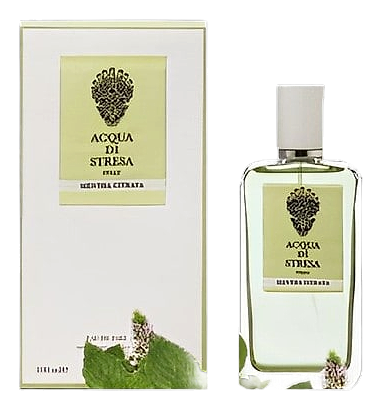
The name says everything and nothing. Mentha citrata: a mint variety grown in the Alpine foothills surrounding Lake Maggiore, less sharp than its supermarket cousins, with a floral-citrus undertone the Italians callbergamottina. Acqua di Stresa's founders had been sourcing local herbs since 2002, building a catalogue of Piedmont botanicals they considered their own vocabulary. This fragrance was the brief answered: take a single plant, follow it. The result is a fragrance named after an ingredient most wearers have never heard of, positioned as a quiet alternative to the broad-shoulder citrus that fills every summer release. Mentha citrata is the house flexing its regional knowledge, a reminder that provenance is part of the composition.
The pairing of mint and absinthe is unusual in perfumery. Mint usually plays clean and retreats. Here it opens alongside absinthe, the same botanical that gives the liqueur its bitter edge, and the combination reads as herbal-medicinal rather than sweet or cool. The absinthe doesn't dominate but it shapes the mint, keeps it from floating away. What follows is the camellia and violet leaf heart. Camellia is rare in Western perfumery, more familiar as a Japanese ornamental, and its presence here signals a deliberate East-West botanical conversation. Violet leaf is the bridging material: green, slightly dewy, it softens the opening's sharpness without replacing it.
The evolution
The opening hits fast. Mint sharp and bright, the absinthe already twisting in the background like a green ribbon caught in a breeze. Within minutes the camellia and violet leaf arrive and something shifts. The initial medicinal bite softens, becomes almost dewy. The absinthe doesn't disappear but it recedes, becomes part of the air rather than part of the scent. This is the phase worth paying attention to: when mint surrenders its aggression to the floral heart, the fragrance reveals what it actually is. Not a mint frag. A green frag with mint in its opening. The cedar and white musk in the drydown warm the whole thing without adding weight. The sillage is moderate at best, intimate after the first half hour. On most skin types this lasts three to four hours, which reviewers describe as fitting for a lakeside picnic rather than an all-day commitment. A spritz on clothing can extend it slightly. By the end the white musk is the loudest note, clean and skin-adjacent, the mint and absinthe a memory.
Cultural impact
Mentha Citrata arrived during a transitional period in niche perfumery when independent houses began translating hyper-specific botanical locations into wearable compositions. Acqua di Stresa, rooted in the Piedmont lakeside town of Stresa, positioned this 2012 release as part of a broader project to capture Lake Maggiore's sensory landscape. The choice of mentha citrata, a hybrid mint grown in Alpine foothills, as the singular botanical anchor reflected a growing trend toward ingredient-first fragrance briefs rather than narrative-driven pyramids.