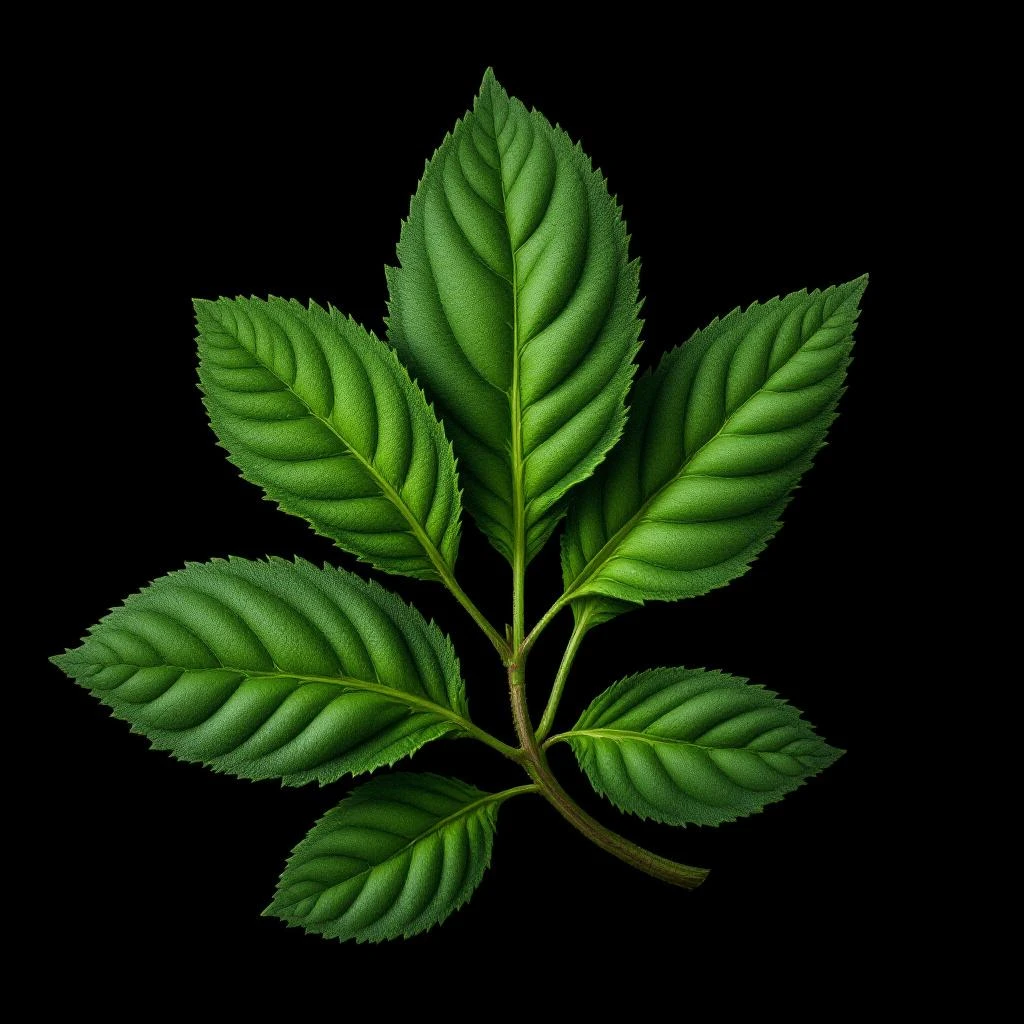
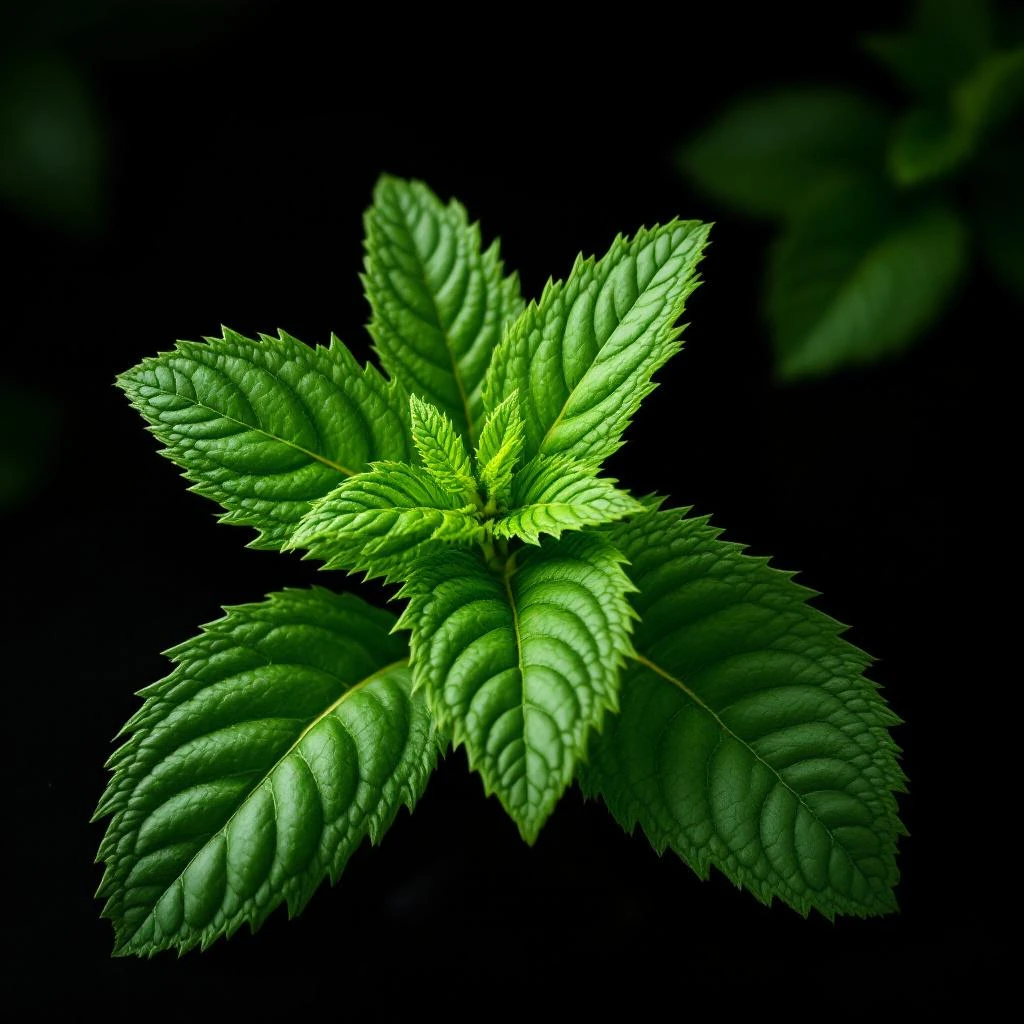
Eau de Cologne Mint
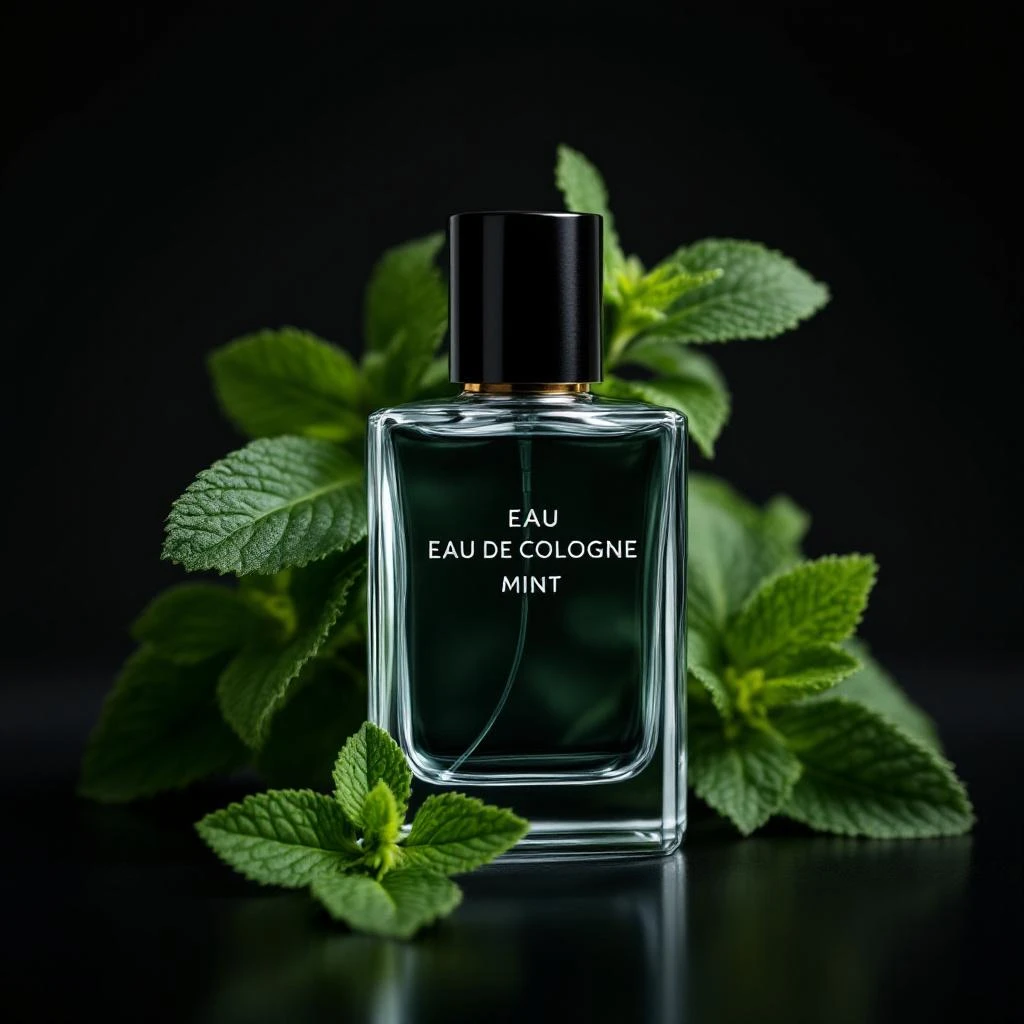
A hybrid mint variety prized in perfumery for its unusual citrus-lavender character, quite unlike the culinary peppermint most people know. Instead of cooling menthol, it offers aromatic freshness with surprising depth.
Character
How it smells
The mint that smells like lavender meets citrus
Unlike culinary mint, this variety contains almost no menthol. Its dominant compounds are linalool and linalyl acetate, the same chemicals that give lavender its signature scent.







Origin
India
The name Eau de Cologne mint tells you exactly what to expect from the aroma before you even smell it. This mint earned its moniker because its chemical profile mirrors traditional Eau de Cologne fragrances.
Like those 18th-century preparations built on citrus and herbal notes, this mint variety leads with linalool and linalyl acetate rather than menthol. The term itself emerged from perfumers recognizing the botanical's unusual chemistry, which they associated with the classic Cologne fragrance family.
Unlike many fragrance ingredients with ancient roots, this mint variety represents a more recent botanical development, cultivated specifically for its aromatic properties rather than medicinal or culinary uses. Its commercial cultivation in northern India became significant during the modern era of fragrance industrialization, where consistent supply and specific chemical profiles became essential for large-scale perfume production.
Wears it best
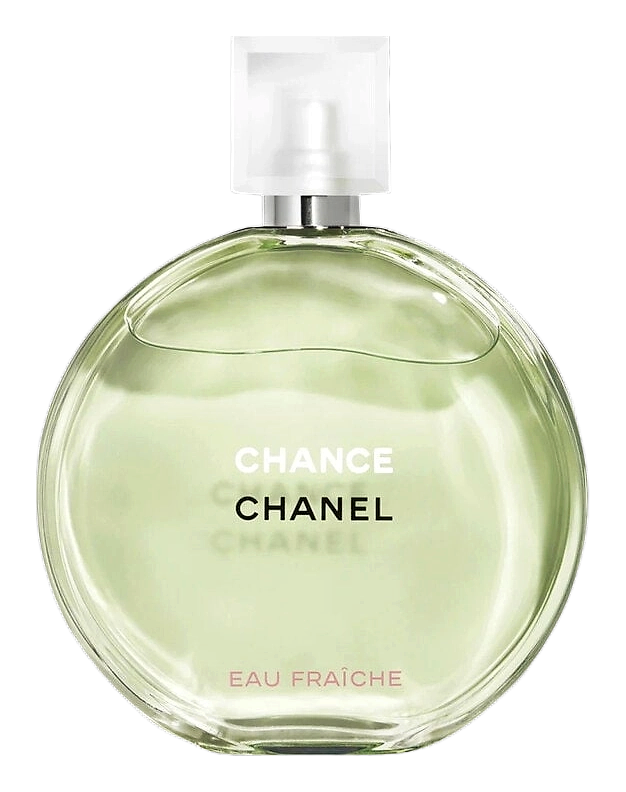
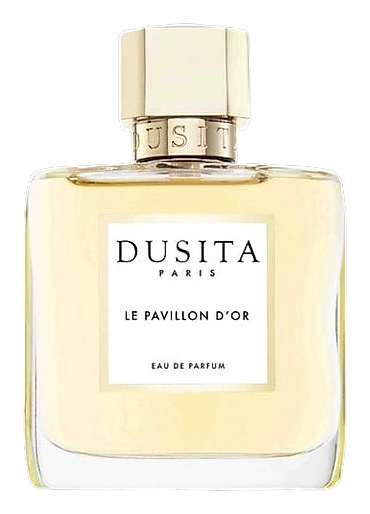
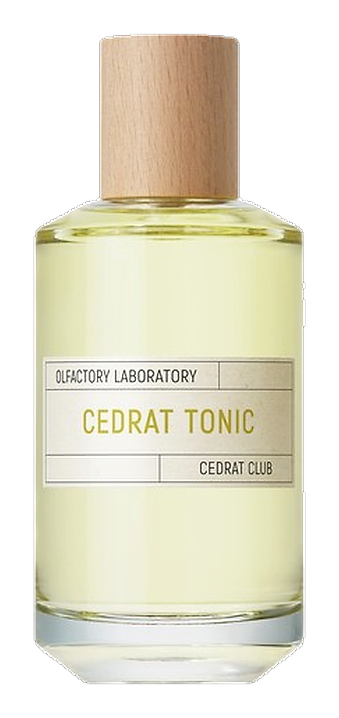
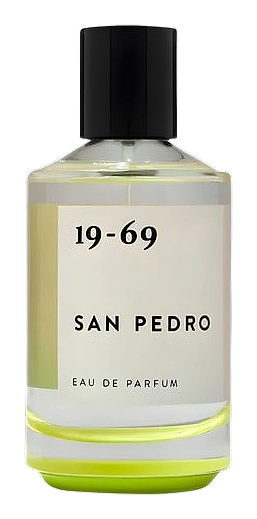
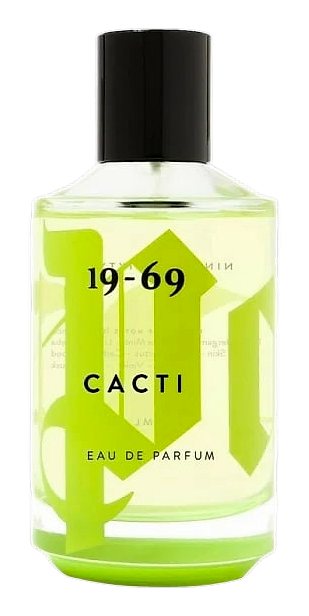
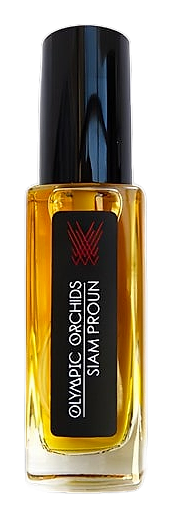
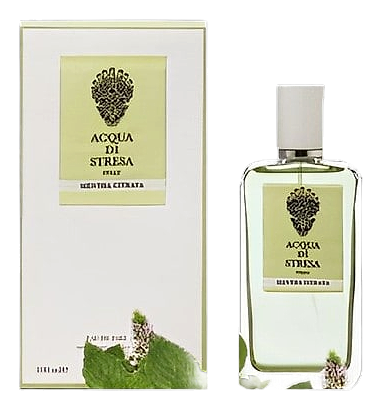
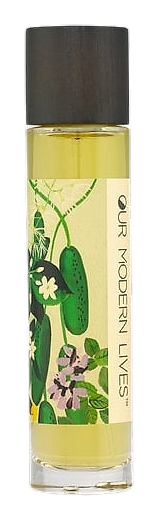
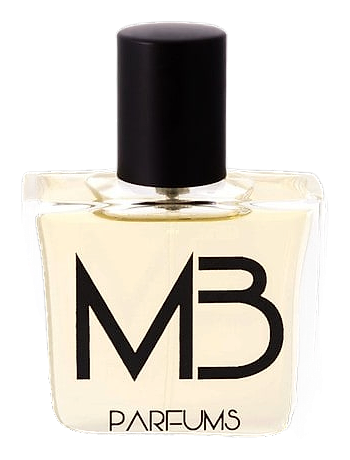
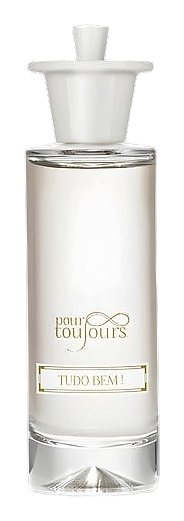
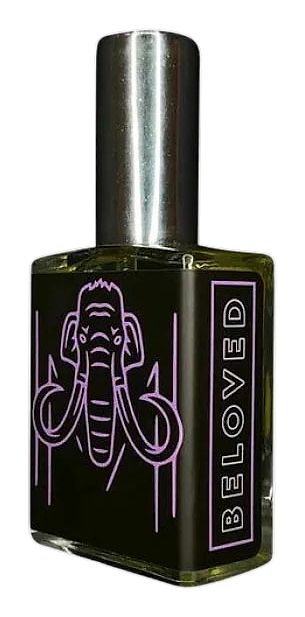
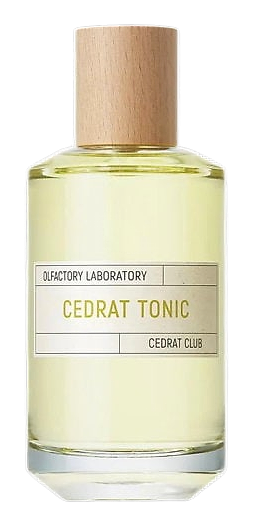
Fragrances featuring Eau de Cologne Mint
Brands
Brands known for Eau de Cologne Mint
Good to know
Questions, answered
The essentials on Eau de Cologne Mint in perfumery: how it smells, where it comes from, and how it behaves on skin.
What makes Eau de Cologne mint different from regular peppermint?
Eau de Cologne mint lacks the menthol bite of culinary peppermint. Its profile is dominated by linalool (45-50%) and linalyl acetate (45%), creating a citrus-lavender character instead of the characteristic cooling sensation.
What compounds give Eau de Cologne mint its signature scent?
Linalyl acetate at 45% and linalool at 45-50% together comprise roughly 90% of the oil. These same compounds dominate lavender essential oil, explaining the mint's unusual floral-citrus aroma.
Where does commercial production of Eau de Cologne mint take place?
Northern India dominates global production, particularly in states like Uttar Pradesh and Punjab. The region's subtropical climate and fertile soils provide optimal conditions for Mentha x piperita var. citrata cultivation.
Why is it called 'Eau de Cologne mint'?
The name reflects its chemistry. Traditional Eau de Cologne fragrances feature citrus and herbal notes with high linalool and linalyl acetate content. This mint shares that same chemical signature, creating an aromatic parallel.
What is the yield of the Kiran variety of Eau de Cologne mint?
The Kiran variety produces approximately 150 kilograms of essential oil per hectare while maintaining a consistent 45% linalool content, making it the preferred cultivar for commercial production.
How is Eau de Cologne mint oil extracted from the plant?
Steam distillation of the aerial parts yields the essential oil. This process separates the volatile aromatic compounds from the plant material using heated steam, which carries the oil molecules and then condenses for collection.
What fragrance families use Eau de Cologne mint as an ingredient?
Fresh and aromatic fragrance families incorporate this mint. It appears in men's colognes, citrus compositions, and aromatic fougeres where its non-mentholated freshness adds herbal complexity without overwhelming other notes.
Is Eau de Cologne mint used in food or aromatherapy?
Commercial production focuses almost entirely on the perfumery industry. The oil's unusual chemistry makes it more valuable as a fragrance ingredient than as a culinary or therapeutic material.