The Story
Why it exists.
The beginning
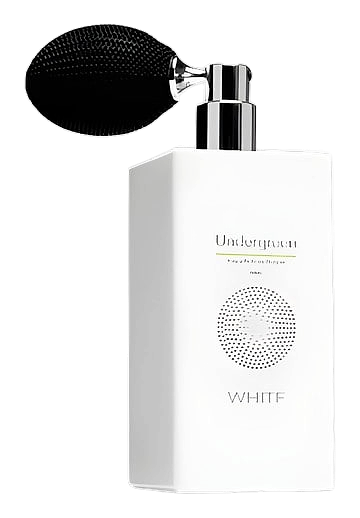
Undergreen's chromatic minimalism arrived in 2011 with a paired release: Black and White, two opposing olfactory statements launched simultaneously. White was designed as the luminous counterpart, the answer to darkness. Perfumer Fabrice Olivieri built this composition around the idea of white flowers: jasmine, orange blossom, ylang-ylang. But the real story is the tension underneath. Aldehydes and coconut, cold meets warm, vintage meets tropical. The brand's philosophy of letting scent speak louder than marketing means no elaborate backstory here. Just the fragrance, doing exactly what it says on the bottle.
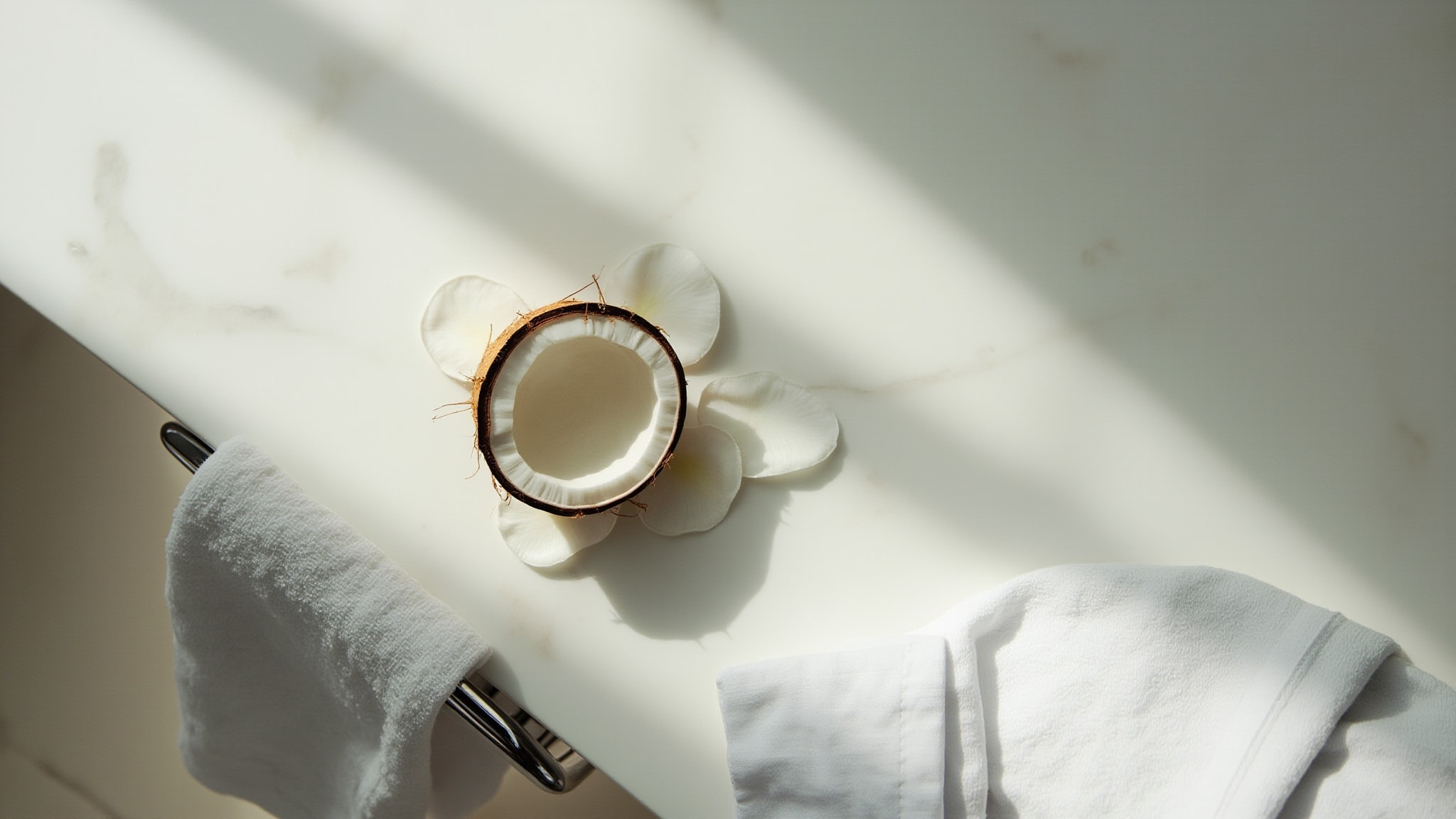
What makes White interesting is the aldehyde-coconut pairing. Aldehydes bring that cold, metallic lift, the kind you'd find in a classic Chanel. Coconut brings warmth, sweetness, something almost edible. On paper, they shouldn't work together. In practice, the coconut softens the aldehydes' sharpness while the aldehydes keep the coconut from being too sweet. The white florals, jasmine, ylang-ylang, orange blossom, arrive in the heart and turn everything powdery. O rr is butter adds a quiet earthiness underneath. The combination of aldehydic brightness, tropical warmth, and powdery floral is relatively rare in modern perfumery. Most fragrances lean one direction or another. White holds the tension.
The evolution
The opening announces itself quickly. Aldehydes arrive first, cold, bright, almost metallic. Then coconut rushes in, warm and sweet, creating an immediate contrast. Peppermint lingers at the edges, adding a slight medicinal coolness that keeps things interesting. The aldehydes don't fade so much as get absorbed, over the first 30 minutes, the coconut and florals push them into the background. The heart is where White earns its name. Jasmine, ylang-ylang, and orange blossom layer together into something powdery and pretty. Not aggressive, this is gentle. The tropical warmth of coconut doesn't disappear entirely; it threads through the florals, stopping them from being too delicate. By the drydown, the florals have softened. Tuberose absolute and orris root create a creamy, powdery base that lingers close to the skin. The coconut warmth settles into the background, adding sweetness without sweetness. Lasts 4-6 hours, moderate sillage means you smell it more than anyone else in the room does.
Cultural impact
White by Undergreen arrived in 2011 as part of a bold color-coded minimalist experiment, challenging the era's preference for complex, heavily saturated compositions. Its aldehydic-floral-coconut fusion occupied an unusual niche, neither fully vintage in spirit nor aggressively modern. The simultaneous release alongside Black marked Undergreen's statement that color could translate directly into scent, influencing smaller niche houses to explore paired-release concepts. Its reception introduced aldehydes to a generation more familiar with fruity florals, serving as an accessible bridge to classic perfumery. The 2011 launch also coincided with a broader cultural turn toward minimalist aesthetics, making White both a product and a commentary of its moment.