

    Brand Profile

    Undergreen is a niche fragrance house that emerged in the early 2010s with a focus on colour‑coded olfactory stories. The label offers four…More

    France·Site

    4.3

    Rating

    4
    Gold by Undergreen
    Best Seller
    4.3

    Gold

    Black by Undergreen
    Best Seller
    3.9

    Black

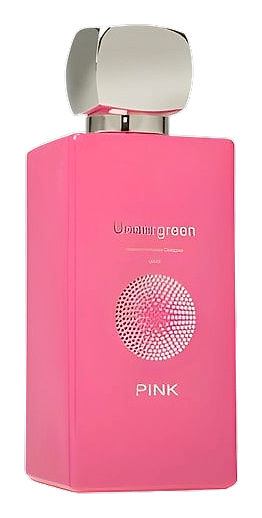
    Pink by Undergreen
    Best Seller
    3.6

    Pink

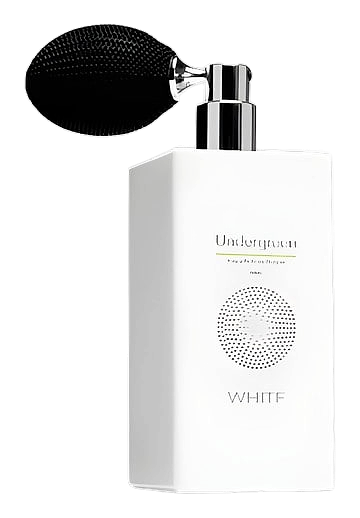
    White by Undergreen
    3.6

    White

    Haltane by Parfums de Marly
    Coming Soon

    Haltane

    Parfums de Marly

    Baccarat Rouge 540 by Maison Francis Kurkdjian
    Coming Soon

    Baccarat Rouge 540

    Maison Francis Kurkdjian

    The Heritage

    The Story of Undergreen

    Undergreen is a niche fragrance house that emerged in the early 2010s with a focus on colour‑coded olfactory stories. The label offers four core scents – Black and White (both launched in 2011) and Gold and Pink (both released in 2012) – each built around a single hue that guides the composition. Founders Patrice Cardonoso and Jerome Bonnet steer the brand toward a minimalist aesthetic, letting the scent speak louder than any marketing slogan. Undergreen’s bottles are sleek, monochrome vessels that sit comfortably on a modern vanity, while the fragrances themselves aim for clarity and balance rather than theatrical drama. The house positions itself as a quiet alternative to the louder, trend‑driven releases that dominate the mainstream market, inviting wearers to explore a subtle spectrum of notes.

    Heritage

    Undergreen’s story begins with two fragrance enthusiasts, Patrice Cardonoso and Jerome Bonnet, who reportedly joined forces around 2010 after years of experimenting with scent in private studios. Their shared interest in translating visual colour into aromatic form led to the creation of a brand that would launch its first two fragrances in 2011 – Black and White. Both scents arrived simultaneously, a move that signalled the label’s commitment to a paired‑release strategy. In 2012 the duo expanded the line with Gold and Pink, completing a quartet that covered a broad emotional range while staying within a tight conceptual framework. Although the founders have not disclosed a formal corporate structure, the brand has maintained a low‑profile distribution model, selling primarily through boutique retailers and a curated online shop. Over the years, Undergreen has cultivated a modest but dedicated following among collectors who appreciate the house’s restraint and focus on quality. The brand’s evolution has been marked by a steady release cadence rather than headline‑grabbing campaigns, reinforcing its identity as a quietly ambitious player in the niche market. While the house has not announced major collaborations or acquisitions, it continues to operate from its original workshop, where the founders still oversee formulation and packaging decisions. This continuity has helped Undergreen preserve the original vision that guided its inception, keeping the colour‑driven narrative at the core of every new development.

    Craftsmanship

    Production at Undergreen takes place in a modest atelier where the founders remain directly involved in formulation. The house reportedly works with a network of small‑scale ingredient suppliers, many of which are based in the Mediterranean region, to obtain high‑quality essential oils and absolutes. For the synthetic components, Undergreen selects molecules that have been vetted for safety and environmental impact, integrating them only when they add a necessary facet to the scent’s structure. Each batch is mixed by hand, allowing the perfumers to monitor temperature and timing closely, a practice that helps preserve the integrity of delicate natural extracts. Quality control includes a series of olfactory evaluations by both the founders and a panel of trusted testers, ensuring consistency across production runs. Bottles are filled in a climate‑controlled environment to prevent premature oxidation, and each unit is sealed with a simple, matte‑finished cap that reflects the brand’s understated aesthetic. The packaging materials are chosen for durability and recyclability, with the glass vessels sourced from a French manufacturer known for its low‑impact production methods. Undergreen’s commitment to craftsmanship extends to its limited‑edition releases, which are produced in small quantities to maintain exclusivity without resorting to artificial scarcity. This careful balance of artisanal technique and modern safety standards aims to deliver a fragrance that feels both timeless and responsibly made.

    Design Language

    Visually, Undergreen embraces a minimalist palette that mirrors its colour‑driven olfactory concepts. Each perfume is housed in a clear glass bottle with clean lines, allowing the liquid’s hue to become the focal point. The caps are matte black or brushed metal, chosen to complement the scent’s name rather than distract from it. Labels are printed in a simple sans‑serif typeface, with the fragrance name embossed in a tone that matches the liquid inside. This restrained design language extends to the brand’s digital presence, where the website features generous white space, high‑resolution product photography, and concise copy that lets the scents speak for themselves. In retail settings, Undergreen often displays its bottles on sleek wooden trays, reinforcing a sense of quiet elegance. The overall image avoids flashiness, opting instead for a calm, curated look that appeals to consumers who appreciate subtle sophistication. The colour‑centric approach also informs marketing visuals, which frequently showcase the perfume against monochrome backdrops that highlight the liquid’s shade, reinforcing the connection between sight and scent.

    Philosophy

    Undergreen’s creative vision centres on the idea that colour can act as a shorthand for emotion, and that a single hue can inspire an entire fragrance architecture. In interviews, the founders have explained that they avoid overt storytelling in favour of letting the scent’s own character convey meaning. The brand values transparency in ingredient selection, favouring natural extracts where possible while remaining open to synthetics that enhance stability or nuance. Sustainability is mentioned as a guiding principle, with the house reportedly sourcing raw materials from suppliers who adhere to responsible harvesting practices. Undergreen also emphasizes restraint: each fragrance is designed to be approachable on first wear yet reveal deeper layers over time, encouraging wearers to develop a personal relationship with the scent. The label’s philosophy rejects the notion of perfume as a status symbol, instead presenting fragrance as a personal, sensory experience that can be enjoyed without pretense. This approach aligns with the founders’ belief that perfume should complement, not dominate, the wearer’s daily routine.

    Key Milestones

    c. 2010

    Patrice Cardonoso and Jerome Bonnet establish Undergreen, aiming to translate colour into fragrance.

    2011

    Launch of Black and White, the brand’s first paired fragrances.

    2012

    Release of Gold and Pink, completing the initial colour quartet.

    2014

    Undergreen expands distribution to select boutique retailers in Europe and North America.

    At a Glance

    Brand profile snapshot

    Origin

    France

    Collection

    1

    Fragrances released

    Avg Rating

    4.3

    Community sentiment

    Release Rhythm

    2012
    2
    2011
    2
    undergreen.com

    Did You Know?

    Interesting Facts

    Distinctive details and defining moments that shape the house personality.

    01

    Undergreen’s entire core line is organised around four distinct colours, each representing a different emotional tone.

    02

    Both Black and White were released in the same year, a strategy that underscored the brand’s commitment to paired storytelling.

    03

    Founders Patrice Cardonoso and Jerome Bonnet reportedly handle the final blending of each batch themselves, a practice uncommon in larger houses.

    04

    The bottles are deliberately colour‑transparent, allowing the perfume’s hue to serve as the primary visual cue.

    The Artisans

    The Perfumers