
The Story
Why it exists.
The beginning
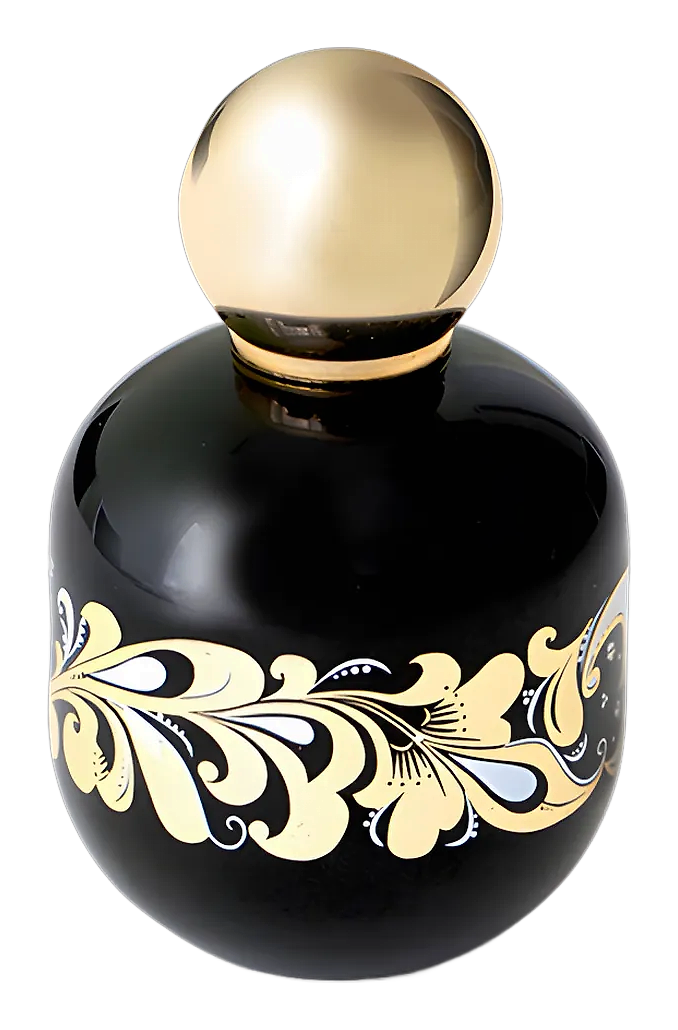
Albho takes its name from the Indo-European root for 'white', a word that carries across languages and mythologies into swan imagery. In Tchaikovsky's Swan Lake, the transformation of a woman into a swan is a story about sacrifice and light. The brand drew from this same cultural thread: the idea that seeking truth requires stepping back from the noise. Albho is named for that search, not just the swan itself. The fragrance is the breath of that moment, still, clear, and deliberately cool.
What makes Albho's structure interesting is the initial cold snap of eucalyptus and mint, followed almost immediately by the warmth of wood. Most fragrances that open with a chill tend to stay angular, they trade freshness for something more linear. Albho pivots. The mint softens into pine resin, then cedar, then guaiac wood, and by the time tolu balsam arrives, the composition has traveled from freezing air to something almost skin-warm. It's a fragrance that earns its warmth rather than simply providing it.
The evolution
The opening hits fast, a mentholated sharpness that reads as eucalyptus and mint simultaneously, cold and clean. Then the pine arrives, still holding a camphor edge but warming as cedar begins to pull through. This middle phase is the heart of Albho: the point where green wood and resin overlap, where the scent stops announcing itself and settles into something quieter. The base takes the longest to arrive, tolu balsam and benzoin don't push, they melt into the skin, leaving a faint sweet-amber warmth that clings to fabric overnight. The fragrance doesn't project far but it lingers, holding close to the skin as it dry down into something quiet and warm.
Cultural impact
Albho occupies an unusual corner of niche perfumery: a fragrance built around cold clarity that gradually warms into resin without ever becoming heavy. In a market where 'fresh and woody' often means citruses and ambroxan, Albho's eucalyptus-mint opening followed by genuine pine and cedar reads as a deliberate alternative. The swan imagery and the cultural mythology around the name give it a particular character for those drawn to story-driven scent. The fragrance rewards attention, offering something quieter than spectacle, something that asks you to lean in rather than announce itself.
The House
SulekoSULÉKÓ is a Parisian niche house founded in 2013 by Anastasia Sokolow. The name itself carries personal weight: it echoes a childhood nickname and connects to a traditional Caucasian folk song that has long moved her. Every fragrance in the small collection draws from Russian cultural heritage, turning memory and folklore into wearable scent. SULÉKÓ makes perfume that asks something of you, and rewards accordingly.
The Creator
Cécile ZarokianCécile's style is often described as sophisticated and refined, with a touch of unexpected boldness. She's not afraid to experiment with contrasting accords, juxtaposing familiar notes with unusual elements to create surprising and memorable effects.