The Story
Why it exists.
The beginning
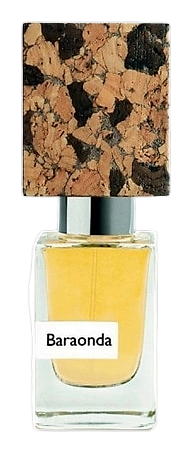
Baba Yaga is the witch of Slavic folklore. She lives in a hut on chicken legs. She steals children and bakes them in ovens. And sometimes, only sometimes, when she wakes on the right side of the bed, she helps lost princes find their way home. SuléKó named this fragrance for her. Not to scare, but to intrigue. The 2013 launch by Cécile Zarokian translates that myth into scent: a forest bright with citrus, dangerous with spice, anchored in leather and smoke.
What makes Baba Yaga unusual is its structure. Most fragrances treat citrus as a quick opener, here, mandarin and bergamot feel intentional, almost architectural. They don't just introduce; they set the scene. The spice heart that follows doesn't replace the citrus so much as complicate it. Nutmeg, cinnamon, pink pepper, and clover create a warmth that seems to rise from the forest floor itself. This isn't a linear pyramid. It's a negotiation between brightness and darkness.
The evolution
The opening arrives fast, citrus with a tartness that bites. Within twenty minutes, the spice builds. Nutmeg and cinnamon take over, turning the composition warmer, denser. The leather appears around the one-hour mark, not as a note but as a texture, something worn, lived-in. Patchouli keeps the base grounded, dark and resinous, while juniper berries add a faint smokiness. By hour three, the fragrance has settled into something close and intimate. It stays there for hours. On some skin, it reappears faintly the next morning.
Cultural impact
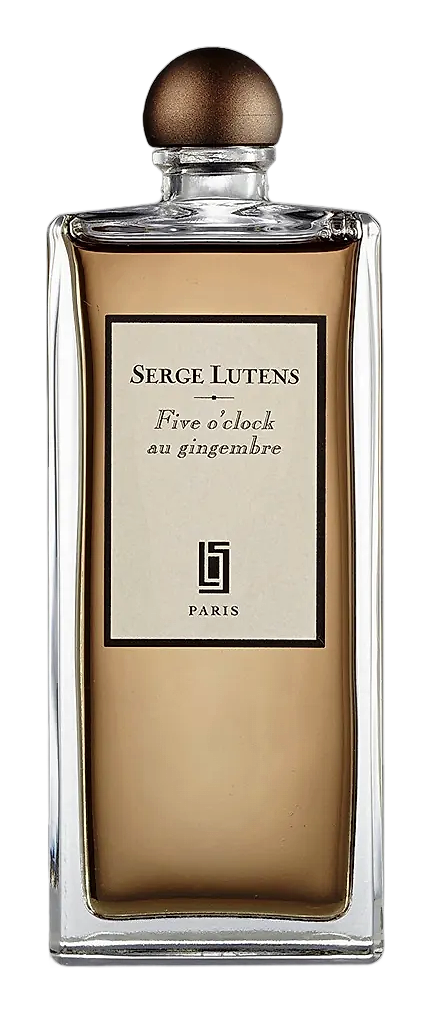
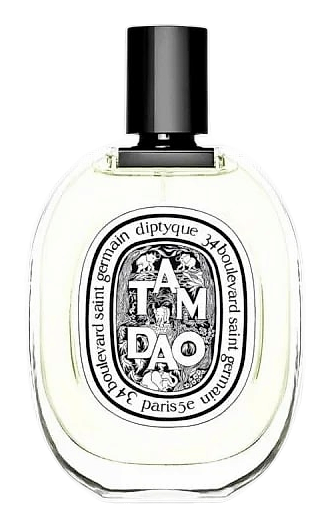
Baba Yaga has developed a dedicated following among niche fragrance enthusiasts who appreciate its bold spice character and its willingness to lean into something stranger than typical citrus-and-wood compositions. It sits comfortably alongside other folkloric fragrances like Diptyque's Tam Dao or Serge Lutens' Five O'Clock Au Gingembre, though its leather-forward drydown sets it apart.