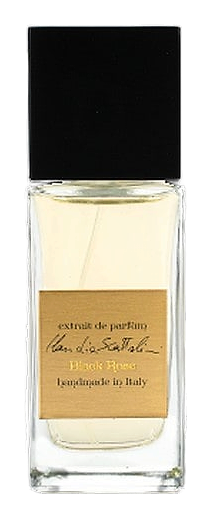

The Story
Why it exists.
The beginning
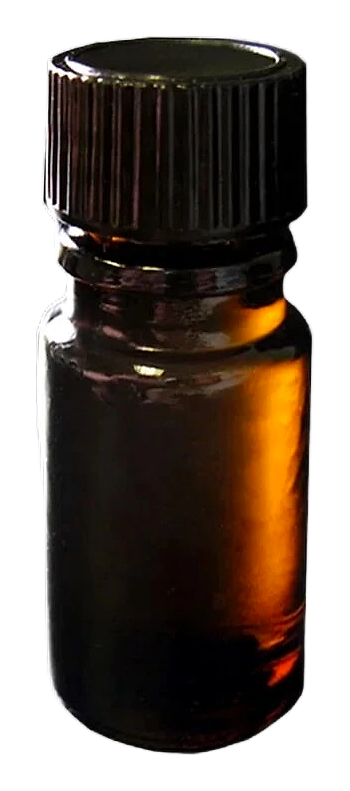
Black Rose arrived early in Claudia Scattolini's catalogue, feeling like a statement of intent. The Italian perfumer had only begun releasing publicly the year before, and this composition did something specific: it took the rose, that most translated flower in perfumery, and stripped it of syrup. No honeyed oud blanket. No gourmand sweetness. Instead, bergamot, Sichuan pepper, and cardamom sharpened the top, and leather grounded the heart. The name is a small provocation. A black rose is a rose that refuses to behave like one, deep-toned and slightly dangerous. Scattolini's version reads that mood without literalizing it.
What makes this composition interesting is the tension between materials. Bergamot, Sichuan pepper, and cardamom are sharp, almost mineral in their clarity, and they meet in the opening to create an unusual trio for a rose-led scent. The heart pairs the rose with leather, two materials that share a dense, tactile feel but pull in opposite emotional directions, one romantic, one structural. Then the base introduces white musk and vetiver, which ground the composition with an earthy, slightly smoky finish.
The evolution
The opening is almost startling, bright citrus and the dry bite of Sichuan pepper laced through cardamom's warm green spice. It reads more like a spiced cologne than a floral for the first ten minutes. Then the rose arrives, not gradually but all at once, full and red, and the leather slides in beside it, giving the bloom a darker frame. The vetiver keeps the heart grounded, earthy and a little smoky, anchoring the composition as the florals begin to settle. White musk wraps the whole thing in something close and warm, a clean skin-like presence that holds the fragrance together through its later hours. By the third hour the leather has softened into suede. The vetiver deepens its pull, earthy and faintly mineral, and the white musk begins to register as a soft, slightly animalic warmth.
Cultural impact
Black Rose occupies a curious middle ground. It uses rose and leather, materials with deep roots in classical perfumery, but it wears lighter than most heavy regional launches, closer to a refined niche sensibility. Wearers who reach for it tend to be the ones who want floral lineage without the weight of full-bodied orientals. In community discussions it draws praise for its structure rather than its sweetness, a compliment that says as much about modern perfumery's ambitions as it does about this specific bottle.