The Story
Why it exists.
The beginning
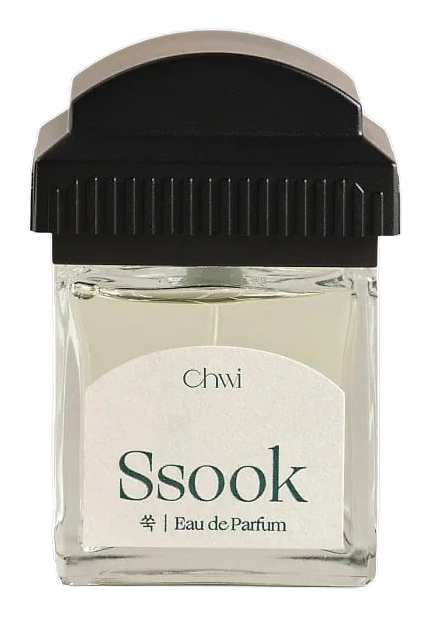
Ssook takes its name from the Korean word for mugwort, a plant woven deep into Korean daily life. It grows wild along roadsides, on mountainsides, in temple courtyards, a familiar presence across the countryside rather than a cultivated curiosity. Chwi translated that plant into a wearable landscape when the brand introduced Ssook, arriving with a deliberate single focus on one ingredient rather than scattering attention across a broader lineup. Ssook sits within that approach as the herbaceous, cooling piece, the one that reads herbal first and floral almost never. The composition draws directly from the plant's dual identity, medicinal and atmospheric, root-deep and slightly bitter all at once, carrying the character of foliage that has grown without much supervision.
What makes Ssook interesting is how it stacks two different kinds of green. The top pours in sage, sharp and almost bracing. The heart shifts to mugwort and clary sage, which read warmer, slightly sweet, slightly bitter, carrying that dusty sweetness of herbs drying in late afternoon. Patchouli grounds the base, calling up earth without crossing into incense territory. The aquatic layer in the opening adds a cool mineral quality, a suggestion of moisture on stone rather than the blue sweep of a marine accord.
The evolution
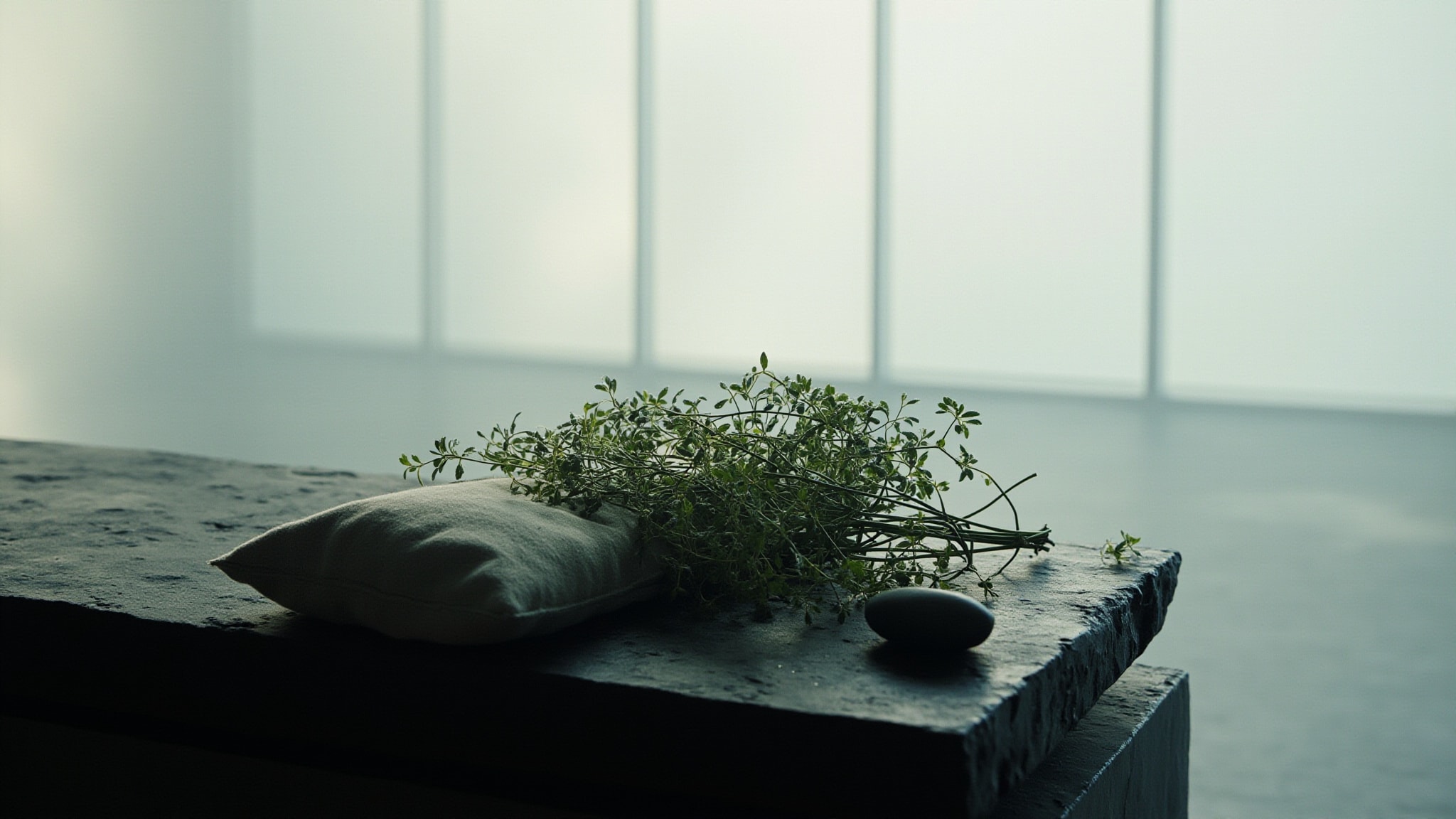
The first thirty minutes belong to sage and that wet-stone note, a cool, slightly saline green that reads almost architectural, clean and lifted. Then mugwort takes over, warmer now, slightly sweet, dusty, like dried herbs hung in a pantry or laid out on a wooden tray. Clary sage threads through the middle, giving it a tobacco-adjacent warmth that softens everything without obscuring the herbal core. By hour three, the green has receded and patchouli emerges, not the heavy kind, but a clean, almost mineral earthiness that clings close to skin and reads more like damp soil than burning resin. The final drydown after five or six hours is skin-warm, faintly woody, faintly sweet, a quiet ghost of the garden that started it, the mugwort still faintly audible beneath the patchouli but softened into something almost mossy.
Cultural impact
Ssook sits in a quieter register than most contemporary fragrances, and that quietness is the point. It does not reach for projection or sweetness or the dense resinous weight of mainstream designer launches. Instead it offers something more rooted, a scent built around a single plant and the kind of green complexity that plant contains. The mugwort focus places it inside a long Korean conversation with herbal ingredients, one that stretches through traditional medicine, ritual, and the everyday uses of plants gathered from fields and mountainsides.