The Story
Why it exists.
The beginning
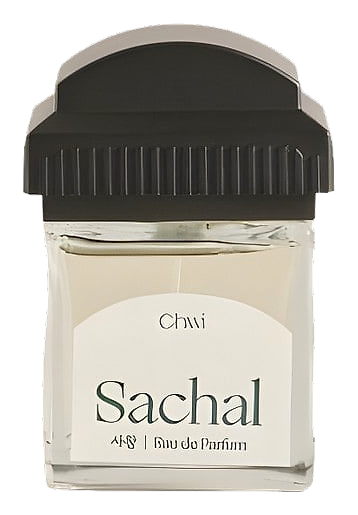
Sachal 사찰 launched in 2024, and the name refers to a Buddhist temple. The composition follows that association through patchouli, cedar, incense, sandalwood, tobacco, balsamic notes, and aldehydes. There's no stated perfumer credit, so the fragrance is best understood through what it places in the air: dry wood, ritual smoke, and the faint sweetness of resin. The structure feels less like a formal temple than a lived-in place of worship after the crowd has gone. Cedar gives it a vertical, architectural quality, while patchouli and incense introduce the soil, smoke, and shadow beneath that calm surface. Patchouli arrives with a damp, earthy hush, and incense adds a thread of cool, drifting smoke that keeps the opening from settling too quickly.
The interesting part is the friction between the composition's materials. Cedar stands upright and polished. Patchouli pulls the fragrance downward into damp earth. Incense lifts that darkness into smoke, sandalwood smooths the edges, and tobacco adds a dry, human warmth without turning overtly sweet. Balsamic notes and aldehydes give the base a sharper structure than a simple woody accord would have. Together, they create a progression that feels architectural and organic at once, more like a shadow crossing stone than a neat row of notes.
The evolution
The opening begins with patchouli and cedar, creating an immediate contrast between earthy depth and dry, splintered wood. It feels cool in the air but grounded beneath the surface. As the fragrance develops, incense, sandalwood, and tobacco soften that sharper structure. The smoke becomes more enveloping, the sandalwood gains a creamy warmth, and tobacco adds a dry sweetness that keeps the composition from disappearing into generic darkness. Aldehydes give the early moments a clean, lifted edge, while the balsamic base slowly draws everything closer together. In the drydown, the airy top notes recede and the resinous base takes over. What lingers is a warm trace of tobacco, incense, and wood, with patchouli providing the darkest shadow. On skin, the fragrance settles close and reads as a steady, moderate presence rather than a loud one.
Cultural impact
Sachal takes its name from a Buddhist temple, and the scent builds that reference through incense, sandalwood, and resinous depth rather than through decoration alone. For wearers drawn to contemplative, place-based fragrance, it offers something specific: the stillness of a temple suggested in smoke and dry wood, then complicated by tobacco warmth and a balsamic close. Its appeal lies in the mood it creates, inward, composed, and deliberately unhurried. Smoke and patchouli give it weight, cedar keeps the structure upright, and sandalwood keeps the center smooth, so the composition feels layered rather than static.