
The Story
Why it exists.
The beginning
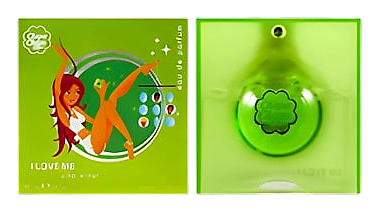
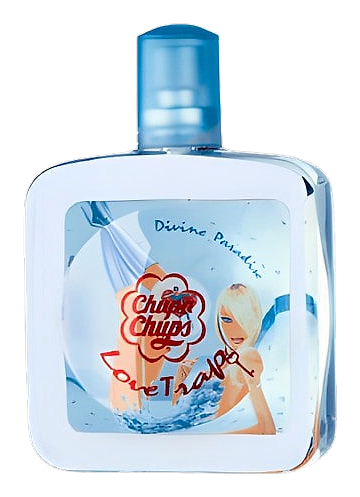
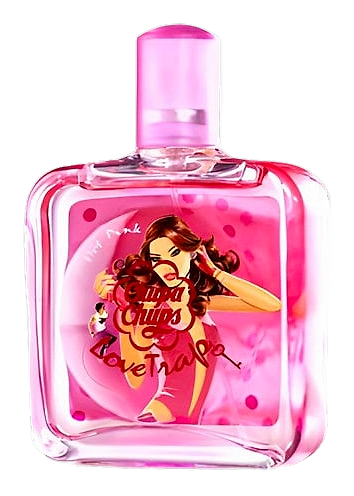
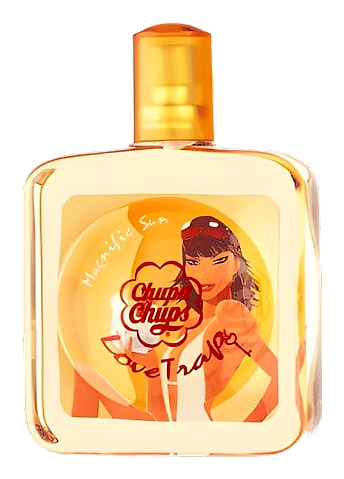
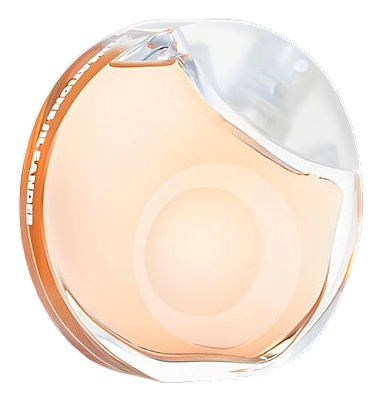
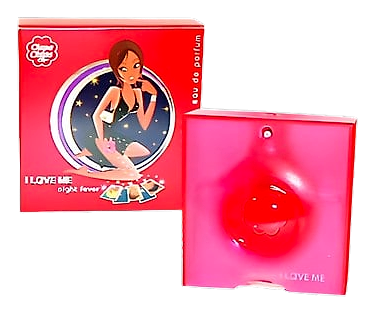
Chupa Chups brought lollipop logic to perfumery. In 2003, Daniel Molière created Night Fever for the I Love Me collection, a candy brand stepping into fragrance with Coty as its partner. The brief was simple: girls who love dancing and wild nights out. Attractive, passionate, modern. Night Fever captures that energy, fruity enough to feel fun and youthful, warm enough to wear after dark. The I Love Me line launched with Pop Vinyl and Soul Shine alongside Night Fever, all built on the same accessible sweetness the brand is known for.
The ylang-ylang is doing the real work here. Tropical, almost narcotic in its sweetness, it bridges the gap between candy-fruit and something with a nighttime edge. Combined with lily of the valley's quiet intimacy and vanilla's skin-warmth, this stops being a daytime scent the moment the sun goes down. It's not trying to be sophisticated, but it earns its evening hours.
The evolution
The opening hits bright and immediate: apricot, tangerine, the sweetness of fruit you can almost taste. No pretense. Within the first hour, the ylang-ylang and lily of the valley arrive, they don't replace the fruit so much as soften it, turning bright into intimate. The vanilla is the tell. That's what people remember. It sits closest to the skin for hours, sometimes warm enough to catch on a scarf or shirt the next morning. Cedarwood keeps it grounded, stops it from disappearing entirely. By the end, it's vanilla over wood over skin, the smell of someone who stayed out too late and didn't regret a single minute.
Cultural impact
Night Fever sits in an interesting space, sweet enough to feel fun and accessible, warm enough to work as evening wear. It's not trying to be sophisticated, and that's the point. The notes reveal the brand's candy DNA more than any fancy positioning ever could. Built for closing time, not boardrooms.