The Story
Why it exists.
The beginning
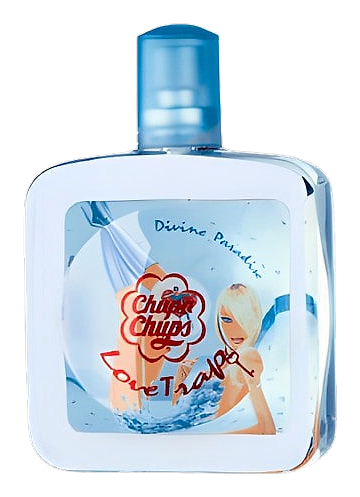
Love Trap Divine Paradise arrived in 2005 as part of the Chupa Chups Love Trap collection, a line built on the idea that sweetness worn well is its own kind of power. The perfumer Jean-Pierre Mary had a specific mission here: translate the brand's candy DNA into something with actual complexity. Not a novelty fragrance. Not a body mist in disguise. Something that could hold jasmine and vetiver alongside grapefruit and cardamom and still feel cohesive, still feel like one person's idea of beauty rather than a marketing department's idea of what girls want. Divine Paradise was the statement piece. The name said the rest.
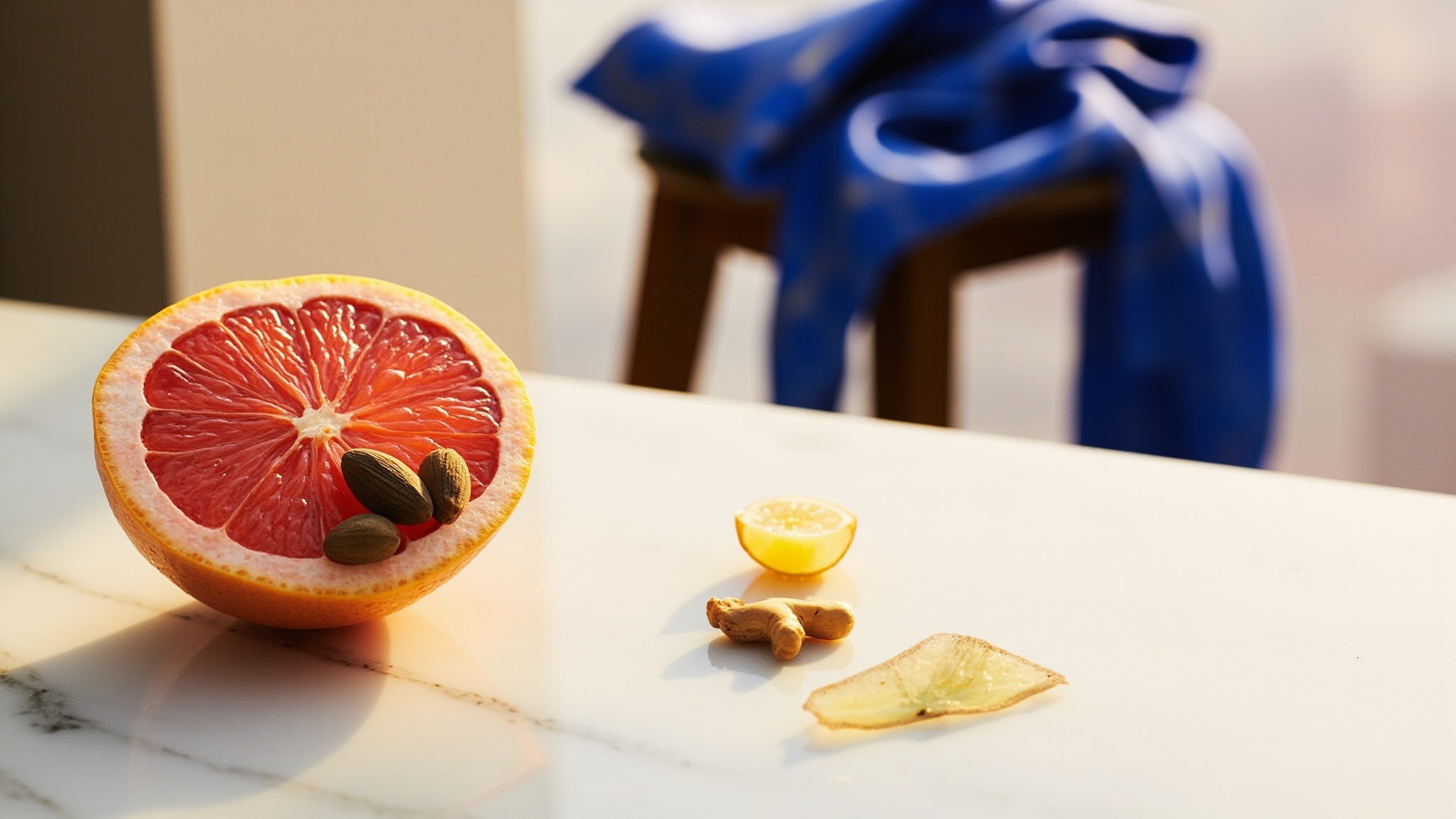
What makes this composition interesting is its refusal to be one thing. Grapefruit opens, acidic, bright, immediate, but then cardamom and ginger arrive almost simultaneously. The spice doesn't wait for the citrus to clear. It creates a warm current right away, something almost aromatic, like opening a cookbook in a sunlit kitchen. Then the white florals arrive: jasmine carrying its signature indolic creaminess, freesia adding a slightly cooler, greener lift. The tension between warm spice and cool floral is where this fragrance lives, and it's not a tension every composition handles gracefully.
The evolution
The opening doesn't ease in. Grapefruit hits first, sharp and citrusy, and the ginger and cardamom are right there with it, a warm spice that arrives faster than expected, as if the fragrance knows it has somewhere to be. Within the first twenty minutes, the jasmine takes over. The grapefruit fades to a background glow while the floral heart expands, freesia adding a cooler counterpoint to jasmine's richness. This is the fragrance's main event, the white floral phase, sweet and slightly powdery, present without being loud. Cedar and vetiver arrive by the second hour, adding woodiness that grounds the sweetness. The apricot lingers longest, a soft fruity warmth that stays close to the skin. By the end, you're left with a skin scent, intimate, barely there, the kind of trace that makes someone lean in without knowing why.
Cultural impact
The 2005 release of Love Trap Divine Paradise marked an unusual moment when a candy brand attempted genuine perfumery craft. Chupa Chups, best known for confectionery, brought in perfumer Jean-Pierre Mary to compose something with actual structure, moving beyond single-note body sprays common to brand extensions. The Love Trap collection signaled that candy brands could participate in fragrance culture with seriousness rather than irony. Divine Paradise arrived during a period when youthful consumers were entering fragrance hobbyist spaces, drawn by accessible pricing and bold marketing. Its grapefruit-jasmine pairing offered a bridge between sweet innocence and adult sophistication, a balance many mid-2000s releases sought.