The Story
Why it exists.
The beginning
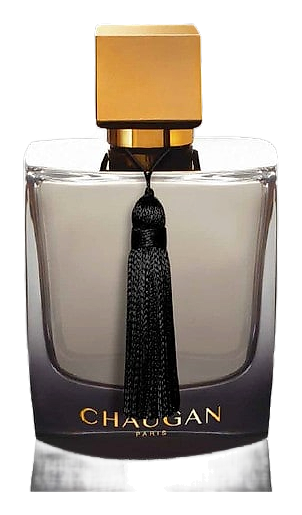
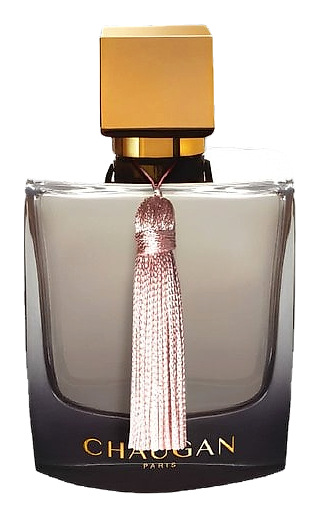
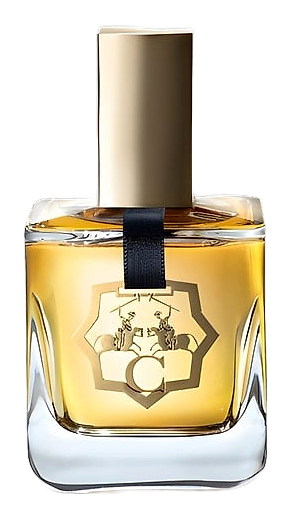
Ispahan sits in the Lavandou region, a walled garden city that perfumers have always found hypnotic. Roses grow differently there. So does the air. The name Rosee des Jardins d'Ispahan reaches for that specific quality: the morning dew on petals that have been left alone long enough to develop their own character. Chaugan released this in 2013 as a counterpoint to the florals dominating that era's niche market. Where others were building around single-note rose, this one started in the honey, the thing that makes rose dangerous rather than safe. The intention was always to complicate the garden rather than prettify it.
What makes this composition work is the structural choice to lead with honey instead of rose. Honey reads warm, almost gourmand, but it also carries animalic depth that rose alone can't access. The ylang-ylang amplifies that warmth into something tropical and slightly feral. The heart of rose and jasmine sounds traditional until you notice what's holding them: guaiac wood and cedar add a resinous, almost smoky undertone that most floral compositions avoid. Patchouli does what patchouli does, it roots the sweetness, stops it from floating away. By the time the base arrives (leather, sandalwood, vanilla), the fragrance has gone from garden to something closer to the greenhouse where the gardener keeps his boots.
The evolution
The opening hits bright and sticky at once. Grapefruit arrives first, sharp and citrus-bright, but honey is already underneath it, not subtle, pushing through like pollen on your fingers. The lily of the valley adds a green, almost dewy lift that keeps the honey from becoming syrupy. Thirty minutes in, the handoff happens. The citrus fades; the florals take over. Rose and jasmine arrive together, which should be redundant but isn't, the jasmine keeps the rose from being precious. Guaiac wood starts to show itself, a smoky resinous thread that runs through the heart and refuses to disappear. Two hours in, the base arrives and doesn't apologize for itself. Leather and sandalwood create a warm, slightly animalic foundation. Vanilla softens the edges. What lingers is this: woody, sweet, with the ghost of rose somewhere in the distance, like walking through a garden the morning after a party and finding the flowers still standing.
Cultural impact
Since its 2013 debut, Rosee des Jardins d'Ispahan has found its audience among wearers who want complexity without theatrics. The honey-and-leather combination reads as both warm and grounded, a rarity in the floral-heavy niche market of the early 2010s. It's become the kind of fragrance people recommend when someone asks for something that smells expensive without announcing itself.