



Heritage
A house, in its own words
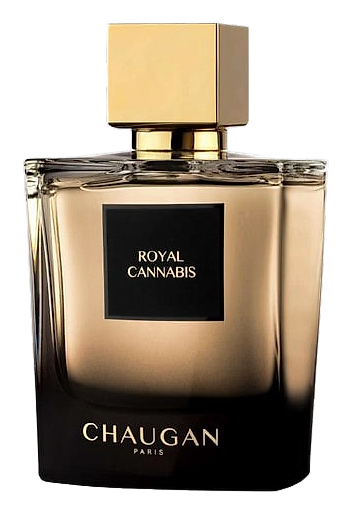
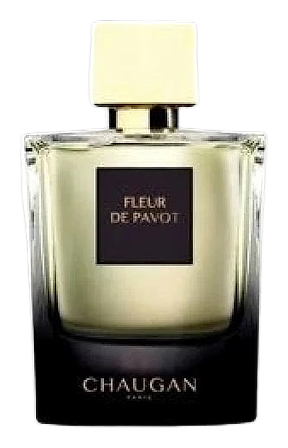
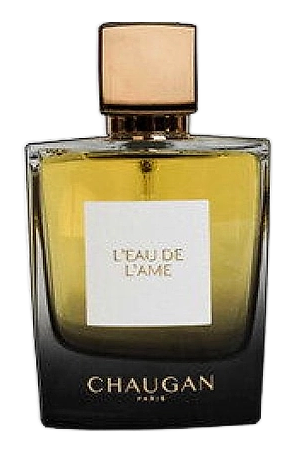
The origins of Chaugan trace back to 2012, when Jean‑Marc Chaumet, a former senior perfumer at a major fragrance house, decided to create a brand that would prioritize ingredient integrity and compositional clarity. Chaumet, who had spent over a decade developing scents for global brands, sought a platform where he could experiment without the commercial constraints of large houses. Early interviews in French trade publications describe his vision as a return to the atelier spirit that defined Parisian perfumery in the early 20th century. The brand’s name, Chaugan, references a historic open field used for equestrian sport in the French region of Auvergne, symbolising a space where movement and balance converge— a metaphor for the equilibrium Chaumet aims to achieve in each fragrance. The first public release arrived in 2013 with Rosee des Jardins d’Ispahan, a rose‑centric perfume that garnered attention for its restrained use of natural rose absolute and subtle green notes. The following year, Mysterieuse (2013) and L'Eau de L'Ame (2020) expanded the house’s palette, introducing aquatic and woody dimensions. In 2014, Delicate arrived, showcasing a minimalist structure built around soft aldehydes and white florals, a composition that signalled Chaugan’s willingness to explore the space between classic and avant‑garde. A pivotal moment occurred in 2016 when Chaugan launched Fleur de Pavot, a poppy‑inspired scent that combined bitter herbal accords with a warm, amber base, earning praise in niche fragrance reviews for its daring contrast. The 2017 release of Royal Cannabis marked another milestone, as the brand incorporated a regulated cannabis extract, navigating complex French regulations while maintaining a refined olfactory profile. This move demonstrated Chaugan’s commitment to pushing material boundaries within legal frameworks. By 2020, the house had solidified a modest but dedicated following, releasing Les Princes Du Polo, a composition inspired by the aristocratic sport of polo, featuring leather, tobacco, and a whisper of citrus. The most recent addition, Le Caspien (2024), captures the breezy, mineral character of the Caspian Sea, employing sea‑salt accords, marine notes, and a subtle driftwood base. Throughout its evolution, Chaugan has remained independent, operating from a modest workshop in the 9th arrondissement of Paris, where small‑batch production continues under Chaumet’s direct supervision. The brand’s trajectory reflects a consistent dedication to craft, a measured expansion of its olfactory library, and an ongoing dialogue with the heritage of French perfumery. Chaugan’s creative philosophy centers on restraint, authenticity, and a dialogue between nature and technique. Chaumet has repeatedly emphasized that a fragrance should act as a silent companion, enhancing rather than dominating the wearer’s presence. This ethos translates into a compositional approach that favors a limited number of high‑quality ingredients, each chosen for its intrinsic character and ability to interact harmoniously with others. The brand avoids overt marketing narratives, instead allowing the scent itself to convey meaning. Sustainability also informs the house’s values. While not positioned as a ‘green’ brand in promotional language, Chaugan sources many of its botanicals from small‑scale farms in France, Morocco, and the Balkans, favoring growers who practice low‑impact harvesting. The company reports that it conducts quarterly audits of its supply chain, ensuring that raw materials meet both quality and ethical standards. This focus on provenance aligns with the broader movement among niche houses toward transparent ingredient sourcing. Innovation at Chaugan is measured rather than radical. The inclusion of regulated cannabis extract in Royal Cannabis (2017) exemplifies a willingness to explore new material possibilities, but each experiment is grounded in rigorous testing and compliance. Chaumet describes his creative process as a series of sketches, where he drafts a scent concept on paper before translating it into a laboratory formulation. This method mirrors the practices of classical perfumers, reinforcing a respect for the craft’s historical roots while allowing room for contemporary interpretation. Ultimately, Chaugan aims to craft scents that act as personal archives— subtle, layered, and capable of evolving with the wearer’s memory. The brand’s philosophy is less about declaring a market position and more about sustaining a quiet dialogue between scent, skin, and surrounding environment.