
The Story
Why it exists.
The beginning
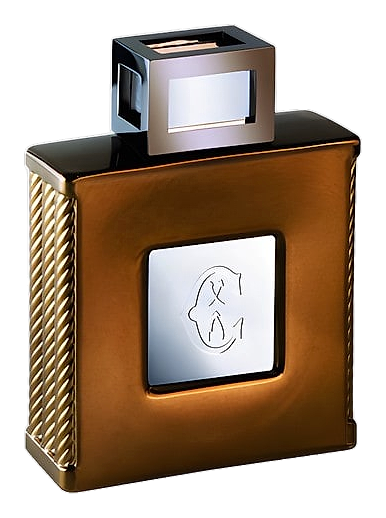
Royal Leather arrived in 2012 from perfumer Raphaël Haury, tasked with building a leather fragrance that didn't behave like one. Most masculine leathers lean heavy, smoky, almost confrontational. Haury took a different approach, warm saffron and pink pepper at the opening, dried fruits and iris softening the heart, cedar and sandalwood holding the base together without aggression. The result reads as expensive without announcing itself. That's the move. Not the boldest statement in the room, but the one people remember.
What makes the structure interesting is how the sweetness doesn't compete with the leather, it flanks it. Dried fruits add a jammy warmth that makes the iris feel powdery rather than sharp. The saffron at the opening keeps things bright and slightly metallic, giving the composition an edge that fades as the heart deepens. By the time cedar arrives, the fragrance has shifted from spice to warmth, and that's where it lives for most of its life on skin.
The evolution
Saffron hits first, bright, clean heat, the kind that prickles the sinuses in a good way. Pink pepper follows within minutes, softening the edge into something almost citrus-like. The ginger flower adds a floral warmth that prevents the opening from feeling harsh. Around the 20-minute mark, the leather arrives. Not the sharp, animalic leather of some Tom Ford compositions, this is softer, buttery, warmed by amber and the sweetness of dried fruits. The iris gives it a powdery undertone that keeps the heart from feeling heavy. Cedar and sandalwood arrive around the 2-hour mark and stay. The drydown is where Royal Leather lives longest, warm, woody, intimate, close to the skin. On fabric, it can last into the next day.
Cultural impact
Royal Leather occupies a specific space in the masculine fragrance landscape, above average longevity, moderate sillage, warm and leathery without the aggression of niche competitors. It's the kind of fragrance that appeals to someone who wants the leather trend without the typical intensity. Wearers describe it as a quiet confidence, the scent of someone who doesn't need to announce themselves. In a market crowded with loud releases, that restraint has earned it a loyal following among collectors who value craft over volume.
The House
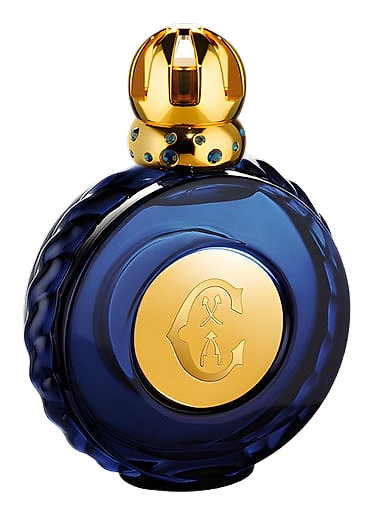
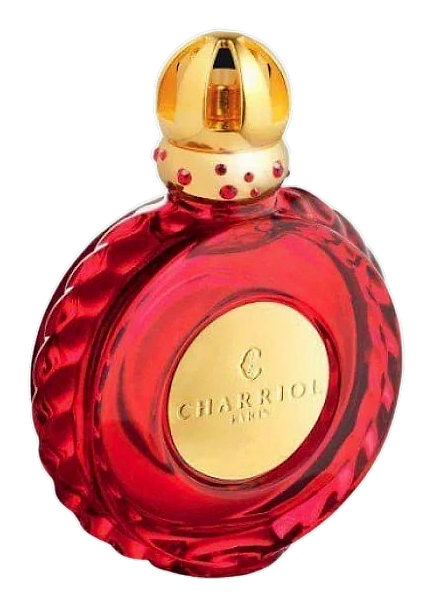
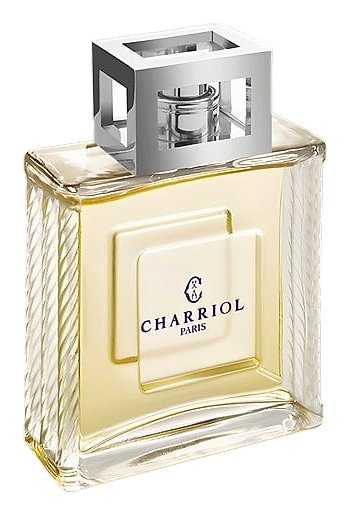
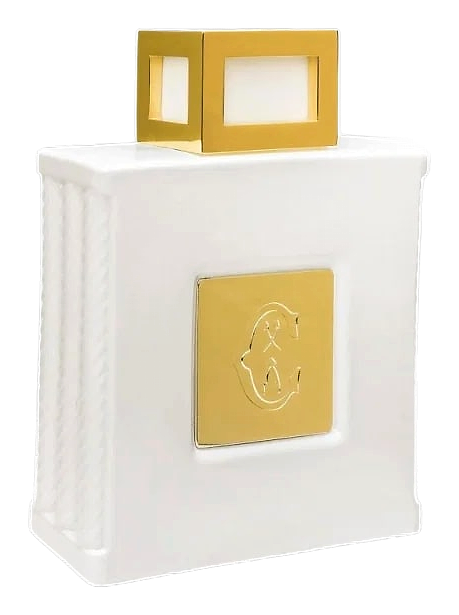
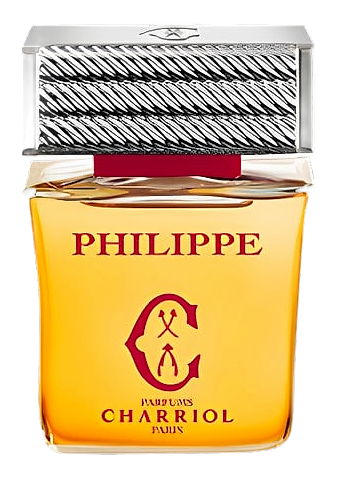
CharriolCharriol entered the fragrance world in 2008, bringing the Swiss Maison's established aesthetic of refined luxury to a new sensory territory. Founded by Philippe Charriol in Geneva in 1983, the brand built its reputation through fine jewelry and Swiss timepieces before extending into perfumery. The fragrance collection reflects the same Celtic-inspired design language that defines the house, offering scents that balance strength with sophistication. From the bold Royal collection to the sportier expressions, Charriol perfumes aim to function as a personal signature, a olfactory extension of the brand's broader luxury lifestyle offering.
The Creator
Raphaël HauryWithout access to his specific fragrance portfolio, style assessment remains speculative. Independent perfumers of his generation often favor natural-heavy constructions with pronounced texture and a preference for warm, resinous bases.