The Story
Why it exists.
The beginning
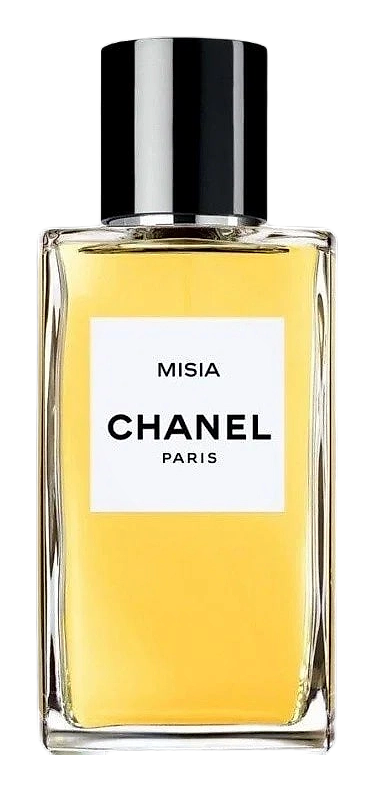
Named after Misia Sert, a celebrated woman of the Belle Epoque and close friend of Gabrielle Chanel. Misia was a wealthy patroness and appreciator of the arts who moved in the most exclusive circles of early 20th-century Paris. She was multiply married, stylish beyond measure, and wielded genuine influence over the cultural landscape of her era. Chanel didn't name fragrances lightly, they were reserved for people who had genuinely shaped the house's story. Misia Sert qualified. Olivier Polge composed the fragrance in 2016 as part of the Les Exclusifs de Chanel collection, translating that Belle Epoque spirit into a modern olfactory composition. The goal wasn't nostalgia. It was translation, taking the powdery elegance and artistic confidence of that era and making it wearable now, when the perfume counter has long since moved beyond sentiment.
The aldehydes are the structural choice here, they don't just add brightness, they create the architecture that holds the powdery notes together. Without that aldehyde backbone, the violet and orris would fall apart into something generic. With it, they become deliberate. The same principle that made No.5 revolutionary in 1921, applied here to a softer, more intimate context. The double rose, Grasse and Turkish together, creates a layered effect that's less a single note and more an atmosphere. Like the difference between seeing a rose and standing in a room full of them.
The evolution
The aldehydes open sharp and effervescent, that characteristic Chanel lift that announces itself before you've even registered what's happening. Within minutes, the litchi adds a translucent sweetness that keeps the aldehydes from feeling clinical. The hand-off happens around the twenty-minute mark: the fruitiness recedes and the roses take over. Turkish and Grasse together, they create a double bloom that smells like velvet costume and warm stage lights. This phase holds for two to three hours, the longest part of the fragrance's life on skin. The drydown arrives quietly. Violet and orris root blend into something powdery and elegant, then the warm resins arrive: benzoin, vanilla, tonka bean. The leather in the base is subtle, more impression than statement, the smell of an old bag rather than a new one. Sillage is moderate throughout, never filling a room but always present in close proximity. On most skin types, the full arc runs six to eight hours. The next day, there's a faint warmth left on fabric, the benzoin settling into cotton like a quiet reminder.
Cultural impact
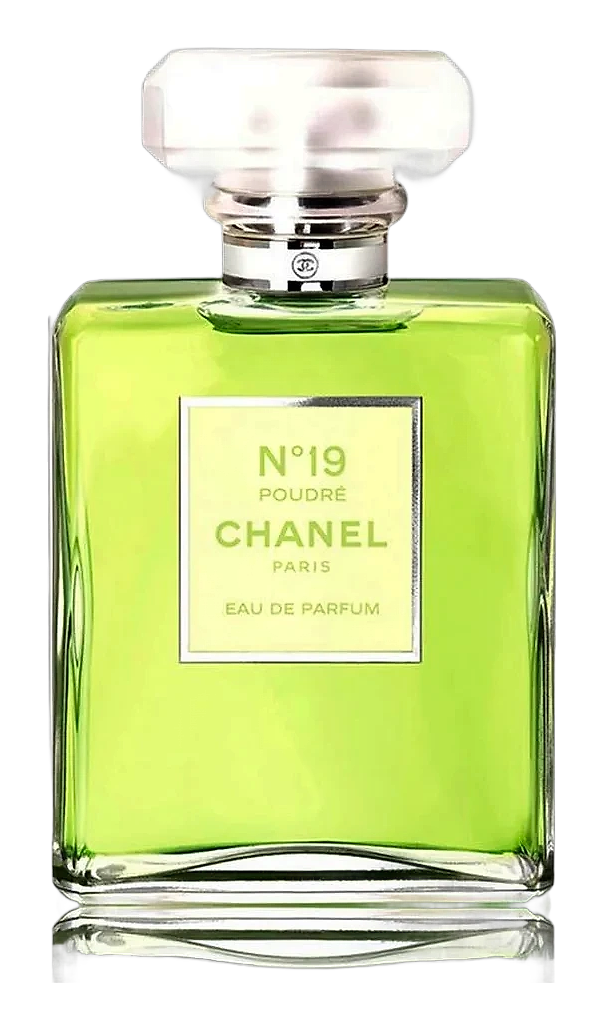
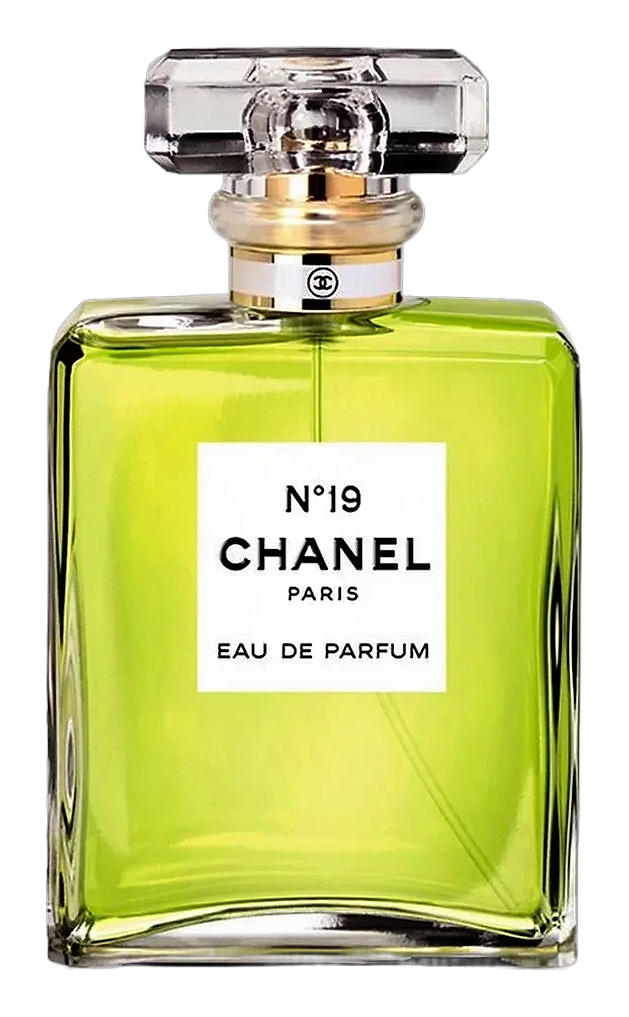
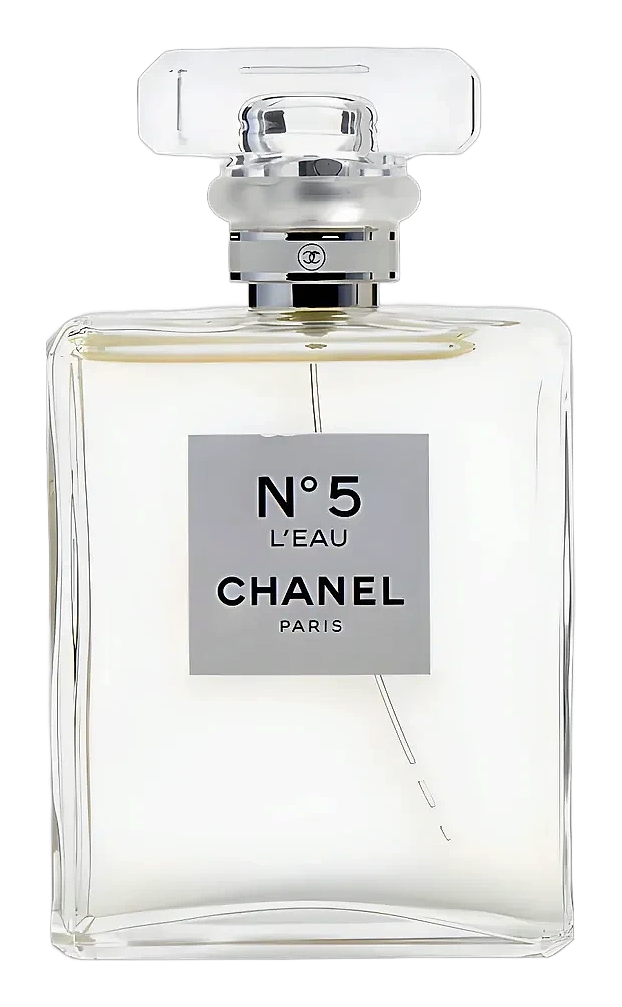
Misia occupies a specific space in the Chanel lineup, it belongs to the Les Exclusifs collection, which operates by different rules than the numbered line. Less iconic, perhaps, but no less considered. The fragrance draws from the house's heritage of powdery florals, referencing both No.5 and No.19, but carves its own identity through the fruit-and-resin combination. The aldehyde backbone is non-negotiable, it's what makes this recognizably Chanel rather than simply Chanel-adjacent. Wearers who connect with it tend to describe it as the fragrance they always wanted from the house but never found in the main line. Something worn close, worn privately, worn for the pleasure of it rather than for any announcement.