
The Story
Why it exists.
The beginning
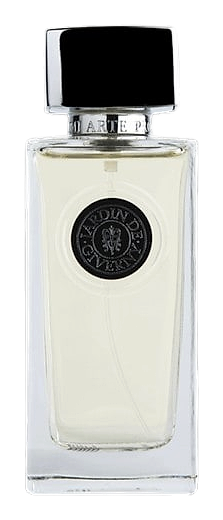
Giverny is Monet's garden, the place where he planted water lilies and painted light until his eyes gave out. Arte Profumi named this fragrance after it because the scent was meant to translate that same feeling: a garden in the early morning, before anyone else arrives, when the light is soft and the air smells of damp earth and something almost powdery. The name is a promise. The composition delivers it.
What makes Jardin de Giverny unusual is its restraint. Three materials, iris, rose, rice powder, and nothing else. No spices, no woods, no citrus lift. The perfumer built the entire structure around orris root, the powdery, almost violet-sweet root of the iris plant that takes years to prepare and carries a natural coolness that most materials cannot fake. The rice powder adds a starchy, slightly sweet warmth that sits close to skin rather than projecting outward. It's a fragrance that trusts silence.
The evolution
The opening doesn't announce itself. The orris comes in cool and powdery, like the moment before mist lifts off a garden pond. There's a slight violet sweetness underneath, natural to the material, and then the rose arrives. Not as a burst. As a slow breath. Creamy, almost transparent, woven into the iris rather than layered on top. For the first hour you're in the garden's entrance, where light filters through leaves and the air is still. The heart phase belongs to the rice powder. This is the tell. It doesn't smell like cooked rice, more like the starch of it, the warmth of fabric right off the line. The rose deepens slightly, gains a faint petal density, while the iris maintains its cool, powdery presence throughout. The transition isn't dramatic. It's the difference between morning and mid-morning light, still the same scene, just warmer. The drydown is where this fragrance earns its name. The iris settles into something almostwoody, not wood, but the memory of wood, dry and clean. The rose fades to a whisper.
Cultural impact
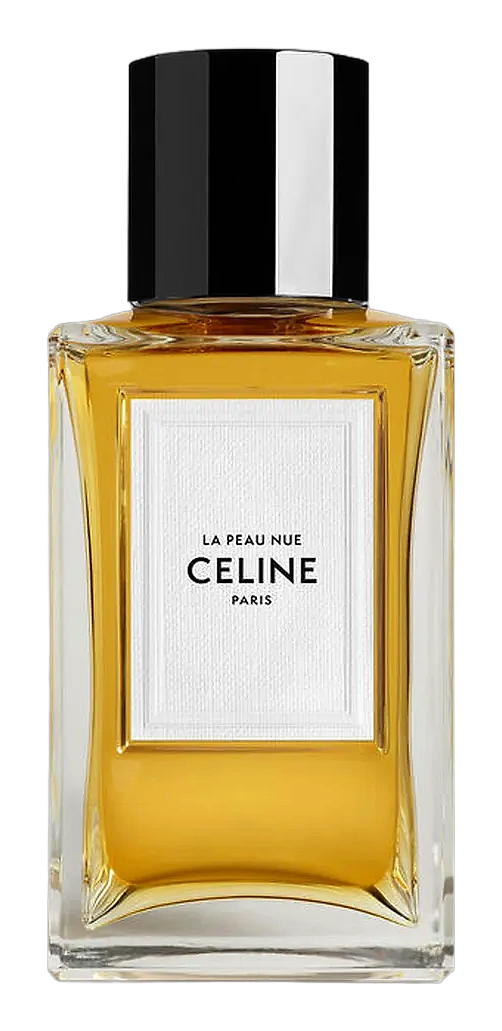
Jardin de Giverny occupies a specific corner of niche perfumery, the collector who values powdery iris and finds beauty in quietude. Community reviews place it alongside La Peau Nue by Celine and early Classique Jean Paul Gaultier, fragrances known for their intimate, skin-close presence. The rice powder note divides opinion, some find it cozy and elegant, others describe it as subtly synthetic. Those who connect with it tend to describe it as lush and creamy, closer to the warm iris family than the sharp orris variants. It's not a fragrance that fills a room. It's a fragrance that rewards anyone standing close enough to notice.