
















Heritage
A house, in its own words
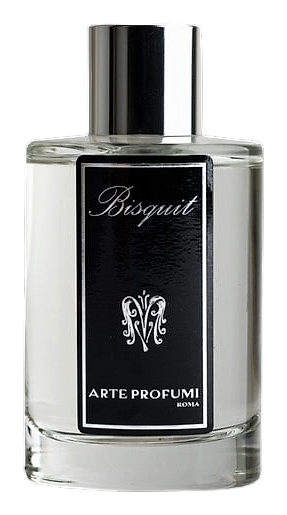
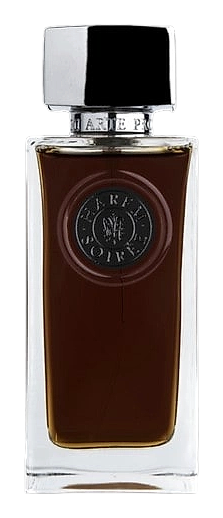
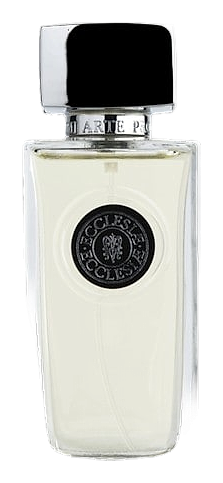
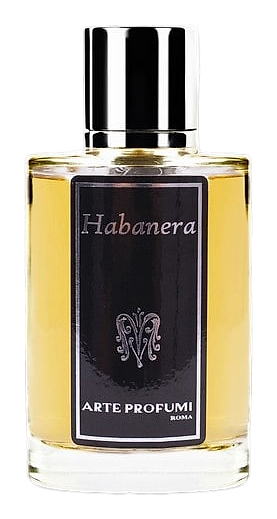
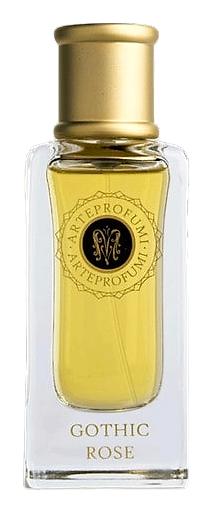
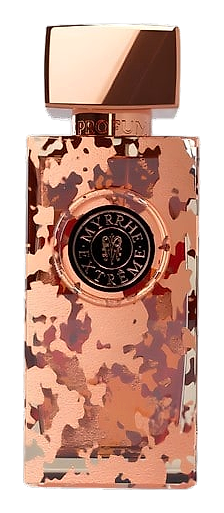
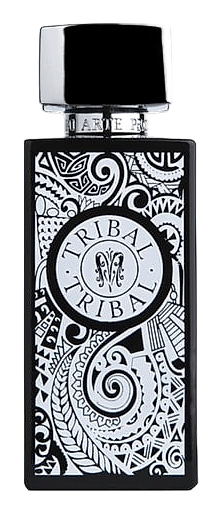
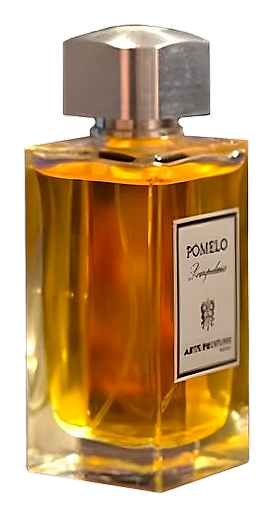
Arte Profumi emerged in Rome around 2013, a year that also marked the launch of its first offerings, Pomelo and Harem Soiree. The founders—identified in early interviews as a small group of Italian perfume enthusiasts—sought to create a platform where artistic concepts could be translated into scent. Within the first year the house released Ecclesiae and Sucre Noir, establishing a pattern of multiple launches per season. In 2017 the line expanded with Samharam, a fragrance that referenced Middle‑Eastern spice markets, followed by Habanera and Sine Tempore in 2018, both of which explored tropical and timeless themes respectively. The early 2020s saw a shift toward more introspective compositions; Golden Skin (2021) and Bisquit (2021) highlighted warm amber and gourmand notes while maintaining the brand’s minimalist aesthetic. The most recent addition, Hybris (2024), draws on the Greek notion of overreaching ambition and showcases a blend of aromatic herbs and citrus. Throughout its decade of activity Arte Profumi has remained independent, avoiding large‑scale distribution in favor of direct sales through its website and select boutique partners. The house’s modest size has allowed it to retain control over formulation, bottling and release cadence, reinforcing its reputation as a curator of scent narratives rather than a commercial powerhouse. According to statements on the brand’s site, Arte Profumi treats perfume as a visual and narrative medium. The label emphasizes the dialogue between scent and memory, aiming to craft compositions that evoke specific places or emotions. It prioritises transparency in ingredient sourcing, preferring raw materials that can be traced to their origin. The house also values restraint; rather than layering dozens of accords, it often builds around a single dominant theme that unfolds over time. Sustainability appears in its approach to packaging, with glass bottles that are recyclable and minimal external branding. Arte Profumi’s creative process reportedly involves close collaboration with perfumers who share an interest in storytelling, allowing each fragrance to develop from a conceptual sketch to a finished olfactory work. The brand’s editorial tone on its platform reflects a conversational style, inviting the wearer to interpret the scent personally rather than prescribing a fixed identity.