
The Story
Why it exists.
The beginning
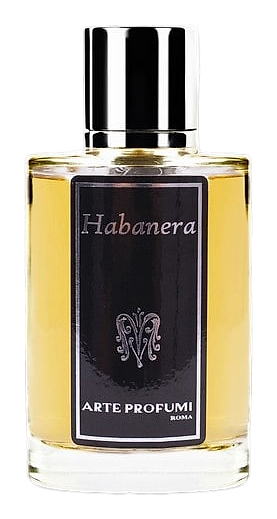
Habanera takes its name from the rhythm that opens Bizet's Carmen. The habanera was already a distinctive form when it entered European musical consciousness, carrying syncopation into the concert hall. Arte Profumi's interpretation references the opera, drawing on the music's restless energy to create scent that captures movement and tension.
Three notes. That was the brief Arte Profumi gave itself: white tobacco, leather, opoponax. Opoponax, sometimes called sweet myrrh, does the heavy lifting here. It's resinous, yes, but also floral, with a warmth that softens what could be harsh in the tobacco or astringent in the leather. The result is a composition that breathes rather than shouts.
The evolution
The opening doesn't tease. Leather arrives immediately, but not the sharp, acrid kind, this is tanned hide, warm and smooth. The sweetness of opoponax is there from the start, threading through like a bass note you feel before you hear. Within twenty minutes the tobacco asserts itself, but it's soft blond tobacco, not the dark cured leaf that weighs down other compositions. As the heart develops, the leather softens and the floral dimension of opoponax becomes more apparent, adding a gentle warmth without tipping into sweetness overload. The warmth settles, the leather becomes gentler, and what remains is a smoky haze that lingers close to skin and fabric alike.
Cultural impact
The Carmen reference is present, a connection to an opera whose rhythms have echoed through popular culture for over a century. Habanera sits among niche fragrances that take their cue from classical music rather than contemporary trends. There's no saffron or bergamot here, no bright Mediterranean citrus. Arte Profumi drew from the opera's emotional architecture, building a fragrance around its combination of tension and release.