
The Story
Why it exists.
The beginning
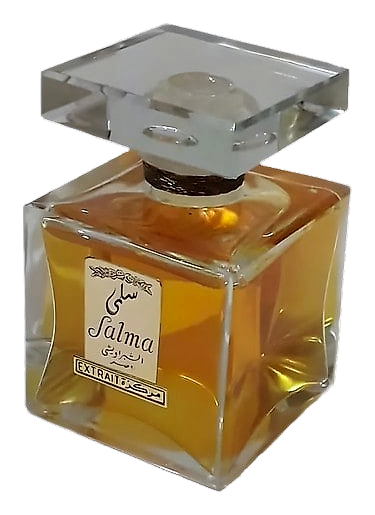
Salma entered the fragrance world in 1940, when floral aldehydes carried a distinctly polished kind of glamour. Its opening gives you that impression immediately: aldehydes laid over narcissus and orange blossom, bright and elegant with a cool, almost soapy edge. The heart moves toward hyacinth, jasmine, and rose, building a classic floral bouquet rather than a simple single-note perfume. No named perfumer is documented, so there is no invented intention to account for. What matters is the shape of the scent itself, and that shape feels right for its era: fresh at first, romantic at heart, and more grounded than the opening suggests.
The unusual part is the contrast. Aldehydes and orange blossom bring a bright, polished surface, while hyacinth adds a greenish floral snap and narcissus brings a powdery intensity. Then rose and jasmine make the middle familiar, generous, and unmistakably feminine. The base changes the temperature. Oakmoss introduces an earthy, mossy shadow, while amber gives the final impression warmth and softness.
The evolution
The first impression is the most edited part of Salma: aldehydic brightness, narcissus, and orange blossom, almost like sunlight across cool stone. As the opening softens, hyacinth and jasmine bring green stems and white petals into focus, with rose adding a soft pink center. It does not become heavy. Instead, the composition gradually lowers its voice. Oakmoss creates a dry, earthy line beneath the flowers, while amber warms the edge without turning syrupy. After the bright floral phase passes, the scent settles into a closer, quieter combination of moss, amber, and softened rose. Moderate longevity means the memory lasts through the workday rather than taking over the evening. On skin or fabric, the final impression is clean, gently floral, and faintly polished.
Cultural impact
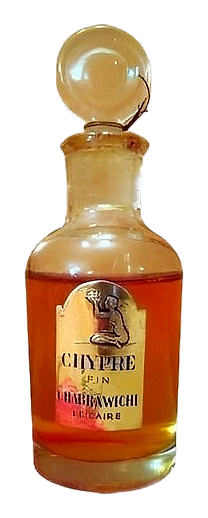
Salma fits Chabrawichi's Egyptian vernacular prestige: fragrance presented as an everyday expression of taste and self-possession, not as a distant imported ideal. Its 1940 floral-aldehyde profile gives it a period character, while the combination of accessible domestic context and polished composition reflects a distinctly Egyptian attitude to fragrance. It is a scent for wearing as much as remembering.