
The Story
Why it exists.
The beginning
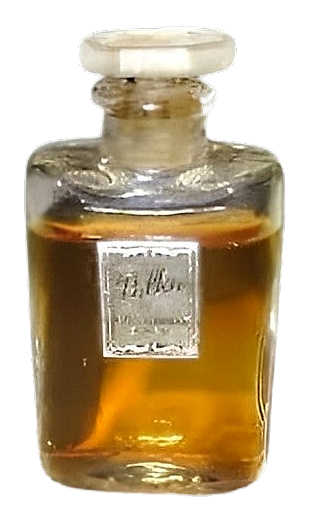
Polka appeared in 1940, while its creator and stated inspiration remain unrecorded. The available note information is limited, with pear and gardenia identified as the central pairing. Pear contributes a crisp, juicy impression, while gardenia adds a creamy floral character. That clean contrast does much of the storytelling: fresh fruit beside a soft white flower, dressed for daylight and easy confidence. There is no documented campaign narrative or perfumer intent to expand, so the composition itself offers the clearest window into its origins.
Pear and gardenia form the core of Polka's composition. Pear brings a cool, juicy edge that keeps the floral heart from becoming heavy, while gardenia supplies a polished, milky florality. Together, they create a clear fruit-and-floral character with a fresh impression and a soft floral center. Because the surviving information gives no fuller pyramid or perfumer credit, it would be guesswork to assign extra notes or a specific technique. What can be said plainly is that Polka centers on fresh fruit meeting soft florality.
The evolution
Polka begins with the buoyant snap associated with pear, bright and clean against the skin. As that fruit impression softens, gardenia moves forward with a rounded, creamy floral warmth. The transition is gradual rather than dramatic, like a shift from one texture to another. The pairing remains recognizable through the middle hours, balancing fruit freshness with a polished white-flower finish. Its performance depends on skin chemistry, application, and the surrounding environment, so individual wear can vary. Over time, the profile settles into a quieter floral trace as the day winds down.
Cultural impact
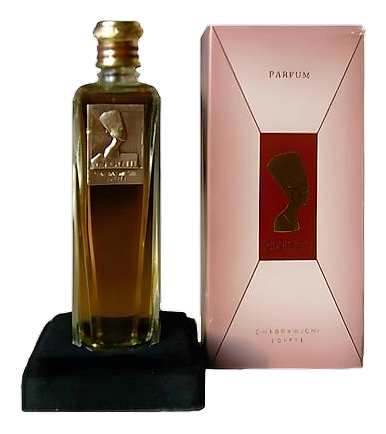
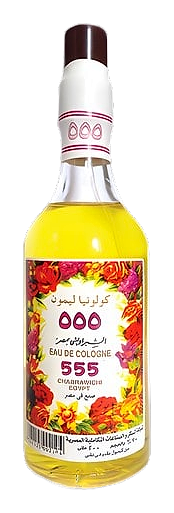
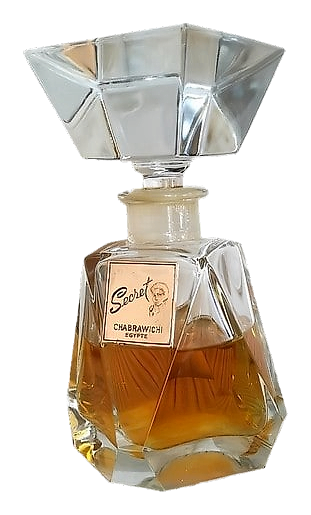
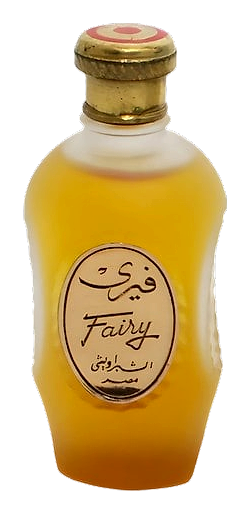
Polka is part of Chabrawichi's Egyptian fragrance identity, with a launch date of 1940 and a note pairing of pear and gardenia. The available material does not document its reception, cultural influence, market position, or relationship to specific communities. Its place can therefore be considered through the fragrance itself, which presents a clear fruit-and-floral profile. The pairing offers an accessible point of discovery without requiring a wider historical narrative to understand the composition.