The Story
Why it exists.
The beginning
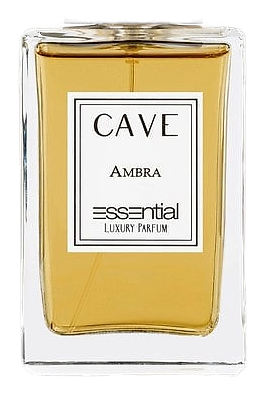
Ambra arrived in 2015 from Cave, the Italian house known for its handcrafted approach to artistic perfumery. The name itself, Ambra, points straight to the material it was built around: ambergris, the Italian word for which gives the composition its identity. Cave had been working in its own register, and this release marked one of the early statements in a catalog that would grow around aromatic, Mediterranean-leaning ideas. Not a showpiece, not a showstopper. Something quieter. The reference notes describe it as 'an oriental and Mediterranean impetus,' and that phrase holds the whole composition in two words: a pull toward the Levant, a pull toward the coast. Mediterranean herbs gathered into a resinous bowl, then softened until the perfume reads like a room you've been inside before.
What separates Ambra from other amber compositions is its top-to-bottom structure. This one leads with oregano and coriander, fresh green and slightly bitter, like a kitchen before dinner. Benzoin appears early too, but balanced against aromatic herbs rather than sweet ones. The heart then layers angelica, bay leaf, and myrrh, which gives Ambra its sharp, almost medicinal clarity before the vanilla and powder settle in. By the time the sandalwood, patchouli, and labdanum arrive, nothing about the composition is shouting. Everything has already been agreed upon.
The evolution
The opening lands immediate and dry. Coriander sparks first, a green almost-citrus heat. Oregano follows within seconds, earthy and unmistakable, lifting the whole composition into herbal territory. Benzoin sits underneath both, already adding warmth, still shy. Myrtle rides along the edges, lifting everything a little. Together, the first twenty minutes read like a walk through a garden after rain, all stem and leaf and resin. Then the bend. The herbs don't vanish, but they recede, and the heart takes over. Angelica lands with a clean, almost rooty bitterness that feels architectural. Bay leaf sharpens the picture, adding the faint dustiness of dried leaves in a drawer. Myrrh arrives next, smoky and medicinal, then opens into something sweeter as vanilla appears from beneath it. Powder enters quietly.
Cultural impact
Ambra occupies a particular corner of the amber category, the one where resin meets herb and powder instead of sugar. It leans into classical structure, into the kind of composition that feels rooted in apothecary traditions rather than dessert-table gourmandise, which makes it a quieter choice in a room full of louder ones. The fragrance reads as an intellectual amber, the sort of thing that rewards attention and repays close wearing. It appeals to anyone drawn to perfume as a craft rather than a statement, to those who want their amber to whisper rather than announce itself.