
The Story
Why it exists.
The beginning
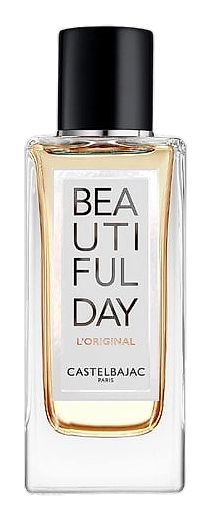
Maurice Roucel created Castelbajac Eau de Toilette in 2004 as a women's fragrance for a house built on joyful irreverence. Roucel, the nose behind this scent, has always had a talent for compositions that feel both unexpected and completely wearable. Here, that translates into a fragrance that opens with a jolt: almond oil's marzipan sweetness meeting tomato leaf's sharp green bitterness. Two notes that shouldn't coexist, rendered into something that holds the attention. Castelbajac's pop-art spiritualism has always been about finding the sacred in the whimsical. This scent takes that seriously, finding beauty in the incongruous, warmth in the unconventional.
The pairing of almond and tomato leaf is the real conversation here. Almond is sweet, edible, comforting, the smell of marzipan, of Bakewell tarts, of something you want to eat. Tomato leaf is the opposite: green, sharp, almost vegetable-bitter. It smells like you've crushed a stem between your fingers. Putting them together means this fragrance starts with a contradiction: edible sweetness under siege by something green and alive. Cyclamen deepens the complexity, it's not quite a floral, more of a leafy, slightly medicinal bloom that bridges the almond and the rose. The result is a powdery floral heart that doesn't smell like a typical powdery floral.
The evolution
The opening announces almond oil first, its marzipan sweetness arriving with an almost edible richness that doesn't wait for permission. Almost immediately, tomato leaf crashes the party, green and bitten, crushing fresh between your fingers. The contradiction is immediate and intentional. Within twenty minutes the citrus arrives, bergamot and grapefruit doing the bright work, tart and immediate, giving the almond and tomato something to lean against. The green lingers but doesn't overpower, it complicates. The sweetness and bitterness exist in tension. By the second hour the citrus has receded and the floral heart takes over: cyclamen's slightly medicinal greenness bridging to a rose and lily of the valley combination that's quietly powdery without being dusty. Orange blossom adds a hint of bitter floral, a small reminder that this isn't a straightforward floral.
Cultural impact
This 2004 release represents a quieter corner of the Castelbajac fragrance line, not a statement piece, but a considered women's fragrance from a boutique French house. Maurice Roucel takes a lighter approach here while keeping the character unconventional, showing range in his ability to craft scents that surprise without alienating. The house brings its pop-art spiritualism to perfumery with the same optimism it applies to fashion, creating fragrances that feel like extensions of a joyful, irreverent worldview rather than mere accessories to clothing.