The Story
Why it exists.
The beginning
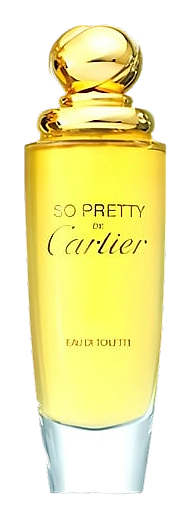
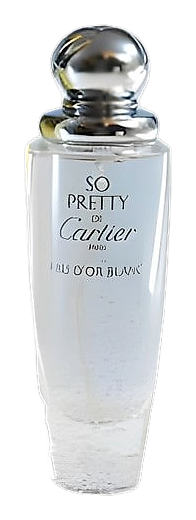
So Pretty arrived in 1999 as Cartier's exploration of a singular idea: prettiness that isn't shouty, beauty that settles. The name itself is the concept, an invitation to discover rather than announce. The fragrance embodies a quiet confidence, precious and understated, worn close against the skin. Cartier found its olfactory counterpart in a limited edition that carries the weight of white gold, an invisible ornament for those who know to look. Those who found it, kept it.
Iris is the structural heart here, not the sharp, metallic iris of a modern release, but something rounder, more powdery, with a velvety quality that recalls the inside of a jewelry box. The floral notes add warmth without sweetness, while woody notes ground the composition in a way that keeps the whole thing from lifting off. Green notes appear as an undercurrent rather than a feature, the suggestion of stems, not the statement of stems. It's a balanced composition, and that balance is the point: nothing shouts, nothing disappears.
The evolution
The opening announces itself with a brief citrus brightness before the iris steps forward and claims the composition entirely. Within minutes, the citrus recedes and the powdery floral-woody heart takes over, holding steady for hours. The drydown is where this fragrance earns its reputation: a soft, skin-close musk with iris still faintly present, lingering in that intimate space between fabric and skin. The longevity is above-average for a fragrance this discreet.
Cultural impact
So Pretty Eau d'Or Blanc occupies an unusual position in the Cartier fragrance catalog, a limited edition that quietly developed a cult following despite its restraint. The fragrance has outlasted its original moment in the market, finding new admirers who appreciate its quiet sophistication. Today, finding a bottle requires patience and luck. Its longevity relative to its discretion remains its defining characteristic, a fragrance that stays close and intimate while refusing to disappear.