The Story
Why it exists.
The beginning
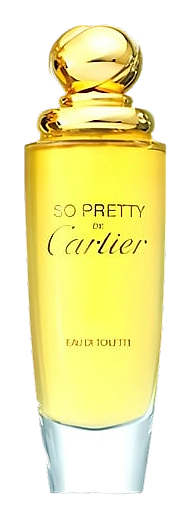
So Pretty Sirop des Bois arrived in 2000 as a limited edition variation on Cartier's 1995 So Pretty. Where the original leaned chypre, this interpretation reached for something syrupy and woodsy, borrowing from the name that promised sweetness reduced to its densest form. The fragrance takes the recognizable So Pretty silhouette and deepens it, drawing on warm, sweet notes that suggest richness without overpowering. The composition balances the fruity sweetness of the name against a woody foundation, creating a scent that feels both concentrated and refined, like preserves left to mature in a cool cellar rather than rushed through a laboratory process.
What makes Sirop des Bois linger in memory is the structural decision to let raspberry carry the architecture rather than merely punctuate it. The note appears throughout the composition, weaving between the opening and the deeper layers to create something that reads as almost jam-like. Rose adds its characteristic powdery sweetness alongside the fruit, while sandalwood and musk anchor what could have been ephemeral, wrapping the fruit in warmth that settles against the skin rather than dissipating into the room.
The evolution
The opening introduces raspberry as a prominent element, quickly establishing a fruity presence that feels both bright and warm. A botanical quality keeps it grounded rather than overly sweet, lending a certain restraint that distinguishes it from simpler fruit notes. The heart is where this fragrance diverges from the original So Pretty most noticeably, with rose adding its characteristic powdery sweetness alongside the fruit. Sandalwood then enters the composition, creamy and warm, providing a woody foundation that deepens the overall effect. Musk offers a skin-close quality that never reads as animalic, instead creating intimacy. The drydown settles into something soft and warm, a presence that rewards those who lean in rather than announcing itself across a room.
Cultural impact
A 2000 limited edition, now discontinued, which is precisely why it commands attention among collectors who remember it and curiosity from those who never had the chance. Sirop des Bois pushed Cartier's softer sensibility further, trading chypre structure for something warmer, fruitier, and more openly sweet. It offered a different kind of restraint compared to some of the moreassertive gourmand offerings emerging from other houses during this era, letting the rose and wood do the work rather than leaning into confection.