The Story
Why it exists.
The beginning
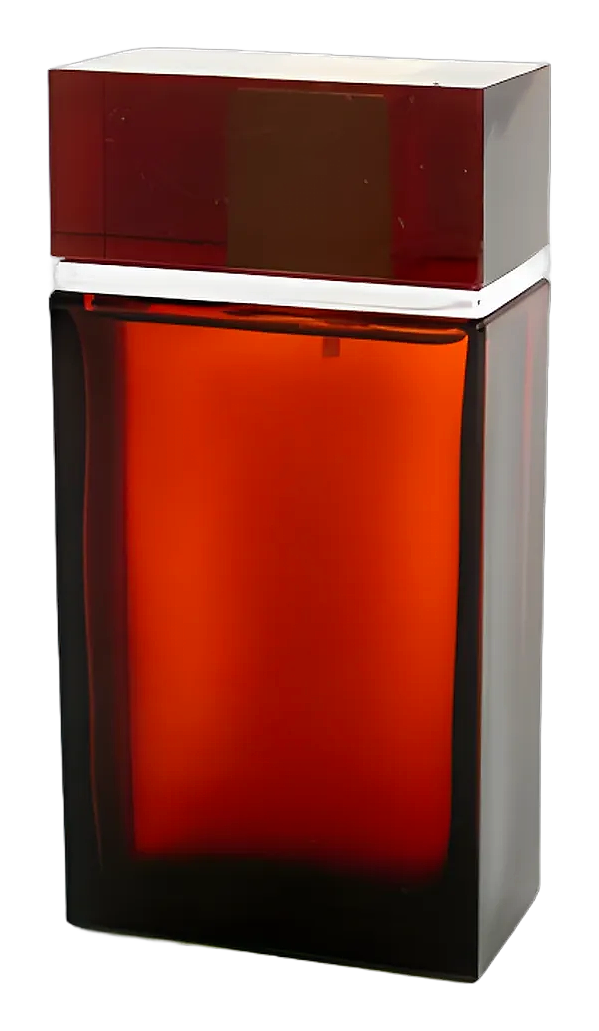
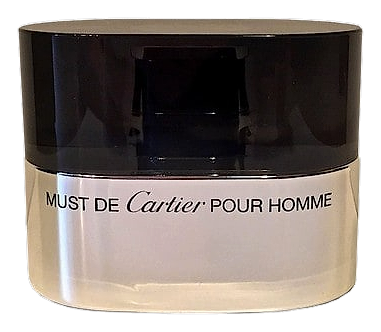
Must de Cartier Pour Homme Essence arrived in 2002 as a special edition bottle of Cartier's original men's Must. The fragrance carries the same warm-spice DNA that defined the original release, built around notes that move through amber and vanilla territory with a heavier hand than its predecessor. The Essence Edition Prestige took that foundation and presented it in a limited release format, housed in a collector's bottle aimed at those who had already found their footing with the original and wanted a more concentrated version of what made the line work.
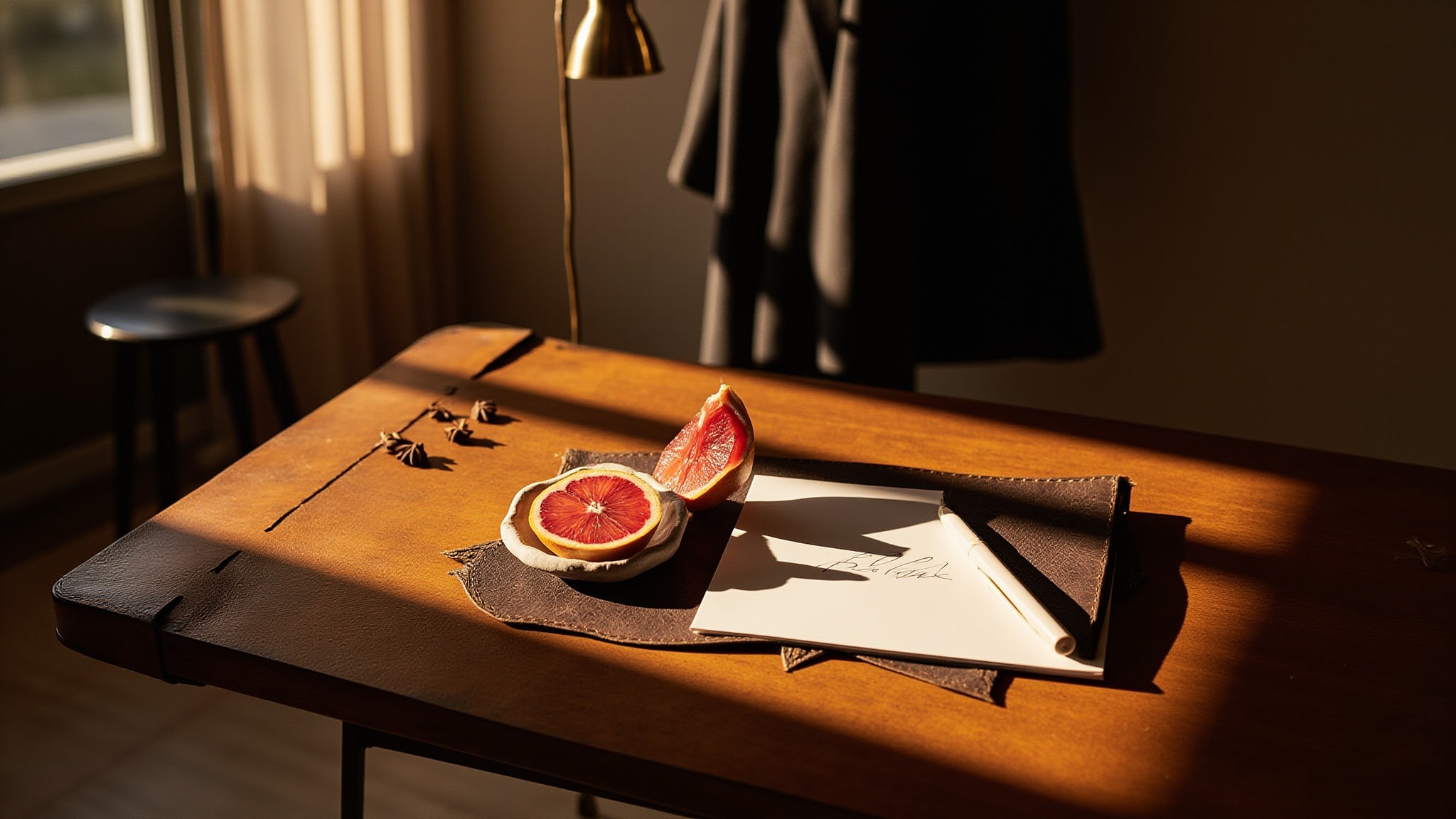
Star anise as a lead note does something specific: it reads as spice from a distance, but up close there's a licorice-leaning sweetness that softens the whole opening. Pairing that with grapefruit (bright, almost green) and then burying everything in patchouli, amber, and two forms of vanilla creates a structure where the top feels lighter than it actually is. The cinnamon and woody notes act as connective tissue, keeping the spice from going sharp and the sweetness from going syrupy. It's a balance that feels engineered rather than accidental.
The evolution
The opening is where the scent makes its first statement. Grapefruit and star anise arrive almost simultaneously, the citrus bright and quick on the surface while the anise settles darker underneath, carrying a faintly medicinal sweetness that gives the first few minutes their edge. That opening carries a cool, slightly bitter quality that feels sharper than what comes later, a green-edged brightness that suggests something colder than the eventual warmth. As the composition settles, cinnamon and patchouli begin to build weight beneath the surface. The grapefruit softens and retreats, and the star anise loses its initial bite, rounding out into something warmer, less sharp, almost toasted. By the time the scent has fully developed, vanilla has moved into the foreground, though it arrives in a form that's far from simple.
Cultural impact
Must de Cartier Pour Homme Essence Edition Prestige is the kind of release that has settled into a quieter kind of legacy. Its Prestige edition packaged the formula for a more selective audience, and over the years it has become something of a quiet favorite among those who gravitate toward amber-soaked spice rather than louder, sharper compositions. The bottle itself carries weight beyond the liquid inside, the kind of object that ends up on a dresser rather than a shelf at the department store counter.