The Story
Why it exists.
The beginning
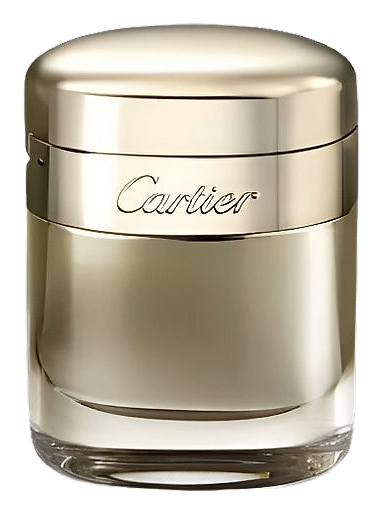
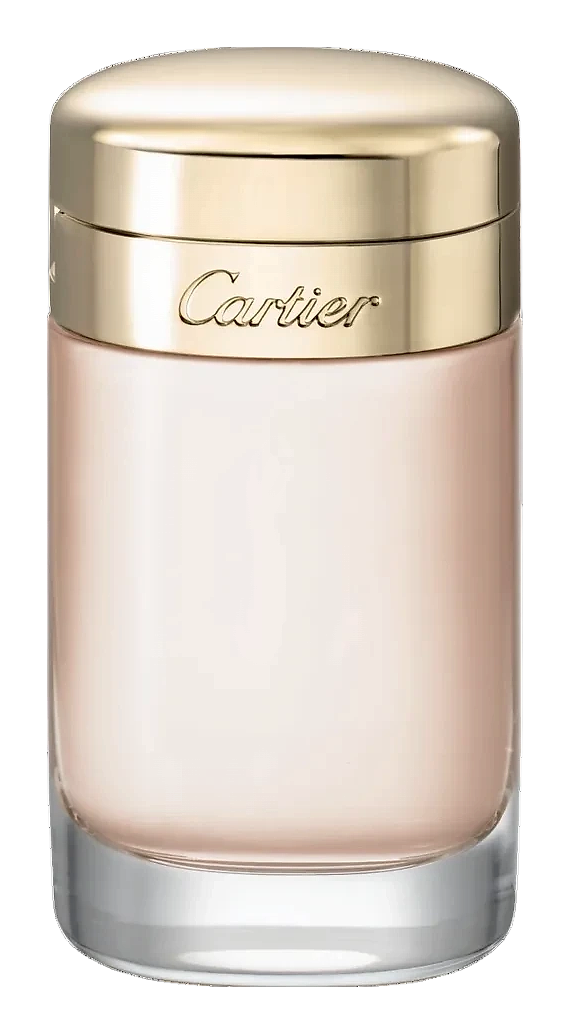
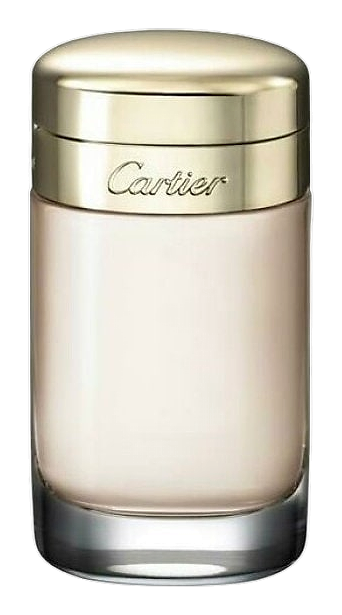
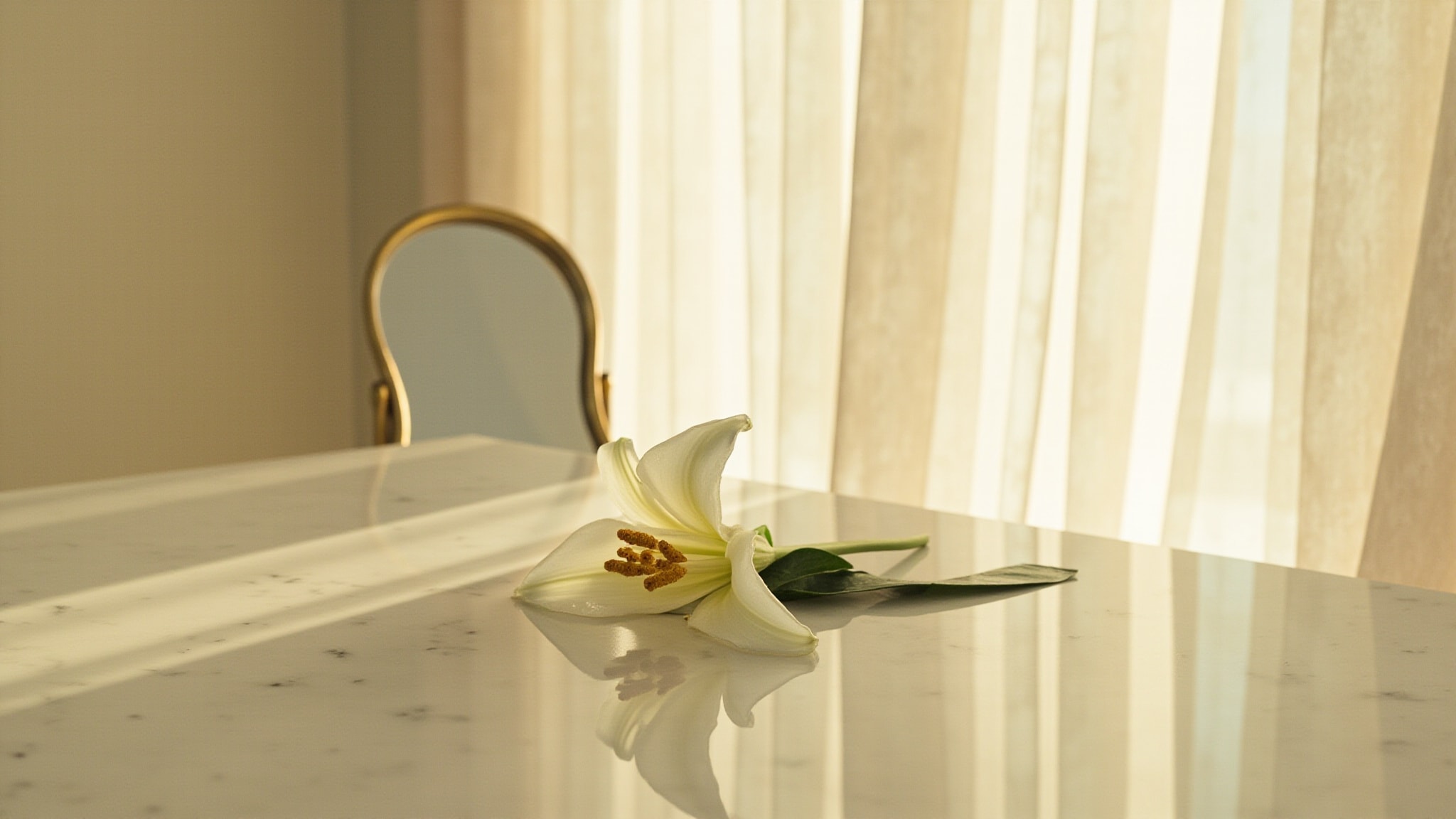
Mathilde Laurent doesn't do loud. As Cartier's in-house perfumer, she's spent years building compositions that whisper rather than announce, and Baiser Volé, launched in 2011, might be her most disciplined exercise in restraint. The name translates to "stolen kiss," but the scent captures something more arrested than that. A moment interrupted. A flower held just close enough to smell before it's offered. Laurent had access to every gem in Cartier's olfactive vault. She chose a single blossom and built everything, stem to petal to leaf, around it. Three structural levels. One flower. No distractions. What emerges on skin is a study in botanical fidelity, the kind of lily rendering that smells like someone actually crushed the stem between their fingers.
What's interesting here is the structural logic. Most florals surround their star note with supporting players: citrus brightness, musky warmth, a woody backbone. Baiser Volé strips that scaffolding away. Lily pistil sits on top, not as an accent but as the entire architecture. The heart is the flower itself, uncut. The base is the leaf, green and slightly bitter, anchoring the composition from below. It's a vertical dissection of one flower, top to bottom, the way a perfumer trained in haute parfumerie might sketch a diamond before cutting it. Cartier treats fragrance the way their atelier treats stones: isolate the essential form, then refine until nothing extraneous remains.
The evolution
On skin, Baiser Volé opens with a cool, watery green that reads almost like the inside of the lily stem sliced open. That greenness is brief, maybe 15 minutes, but it sets the temperature for everything that follows. The flower takes over in layers: first the pollen-sweet, almost honeyed quality of the pistil, then the broader, creamier body of the full bloom. It smells white. Not literally colorless, but visually white, the way gardenias do, the way fresh linen does when the sun catches it. Two hours in, the green returns from underneath, but warmer now. The lily leaf base asserts itself, turning the sweetness slightly vegetal, almost like the smell of a stem snapped between fingers. It settles into something remarkably clean. Six hours later, on a scarf, the drydown is a faint green-floral musk that smells like the ghost of a bouquet left in an empty room. Not gone. Just elsewhere.
Cultural impact
Baiser Volé occupies a particular corner of the fragrance world where restraint becomes the statement. It's a lily soliflore stripped of the concessions that usually make florals marketable, no syrupy sweetness, no boosted sillage engineered to register across a room. The composition stays remarkably close to skin, reading as an intimate detail rather than a public announcement. What makes it compelling is how it inverts the usual logic of luxury fragrance. Where most launches lean on projection and longevity as proof of value, Baiser Volé does the opposite.
The House
CartierFrom a small Parisian workshop in 1847 to one of the most celebrated fragrance houses in the world, Cartier has spent over 175 years translating the language of precious gems into something you can wear against your skin. Every Cartier fragrance is conceived as invisible jewellery, an intimate ornament that speaks to the same desire for beauty and craftsmanship that has drawn royalty and connoisseurs to the Maison for generations. The panther prowls through its scent wardrobe, diamonds catch light in crystalline bottles, and rare ingredients arrive from distant corners of the globe. This is luxury in its most wearable form.
The Creator
Mathilde LaurentMathilde favors a restrained palette that highlights natural essences. She often begins with a clear mineral or green base, then layers luminous florals such as jasmine or orange blossom.