Lily Leaf
Lily leaf offers a crisp, green aroma that whispers of early spring forests, delivering a fresh, slightly creamy nuance that brightens floral compositions.

Character
How it smells
Green freshness captured in a single leaf.
The scent of lily leaf is so delicate that early perfumers often combined it with synthetic hydroxycitronellal to reproduce its subtle green character in mass‑produced fragrances.
Pairs beautifully with
Origin
France
Lily leaf entered the perfume world alongside its floral cousin, lily of the valley, during the 19th century when Parisian houses sought to capture the scent of the French countryside. Early chemists noted the leaf's subtle green aroma but struggled to isolate it without losing nuance. By the late 1800s, advances in solvent extraction allowed artisans in Grasse to produce a stable leaf extract, which quickly became a favorite in chypre and fougère structures.
The note symbolized the era's fascination with nature's quiet details, offering a counterpoint to the bold rose and jasmine that dominated the period. Throughout the 20th century, lily leaf remained a niche ingredient, prized by niche houses for its ability to evoke fresh, woodland air without overwhelming the composition.
Wears it best
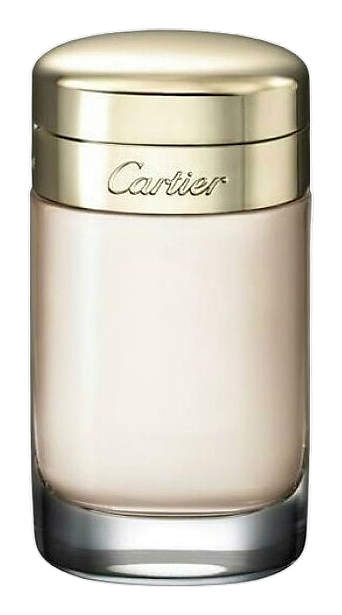
Fragrances featuring Lily Leaf
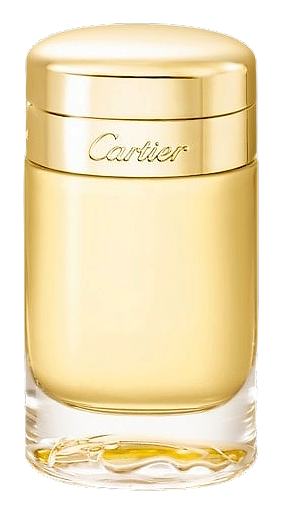
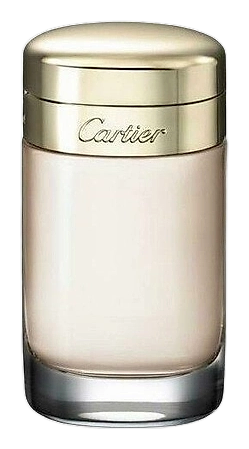
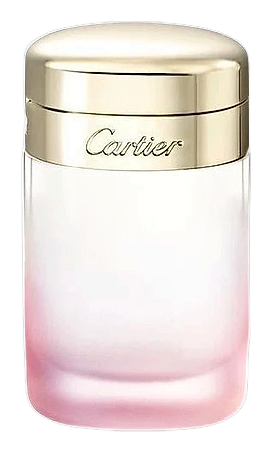
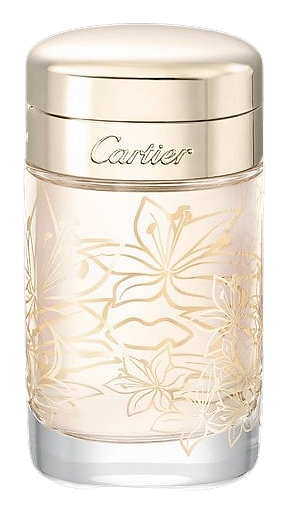
Brands
Brands known for Lily Leaf
Good to know
Questions, answered
The essentials on Lily Leaf in perfumery: how it smells, where it comes from, and how it behaves on skin.
What does lily leaf smell like?
Lily leaf smells fresh, green, and lightly creamy. It combines crisp herbaceous tones with a subtle, milky undertone, similar to a newly cut lawn after rain. A 2022 sensory panel recorded a green aldehyde intensity of 4.3 on a 10‑point scale.
Is lily leaf oil natural or synthetic?
Both natural and synthetic forms exist, but the authentic note derives from natural leaf extraction. In 2021, the International Fragrance Association listed natural lily leaf as a certified botanical ingredient, distinguishing it from its synthetic analogues.
How stable is lily leaf in perfume formulations?
Lily leaf maintains its green character for up to 18 months in ethanol‑based perfumes. Stability tests by a leading fragrance house in 2020 showed less than 5% loss of key aldehydes after one year of storage at 25 °C.
Which fragrance families pair well with lily leaf?
Lily leaf blends smoothly with citrus, aromatic herbs, and woody bases. A 2019 study found that pairing it with bergamot and cedarwood increased perceived freshness by 12% in blind evaluations.
Can lily leaf cause allergic reactions?
Allergy reports are rare, but the leaf contains trace amounts of coumarin, which can trigger sensitivity in a small segment of the population. In a 2018 dermatology survey, 0.3% of participants reported mild skin irritation after direct contact.
How is lily leaf harvested sustainably?
Harvesters collect only mature leaves, leaving lower foliage to regenerate. In the French Alps, certified farms rotate harvest zones every three years, preserving soil health and ensuring a steady supply without depleting wild populations.
What concentration of lily leaf is typical in a perfume?
Perfume formulators usually add lily leaf at 0.5‑2 % of the total fragrance oil. A classic 1995 chypre used 1.2 % lily leaf to achieve a balanced green lift.
Does lily leaf retain its scent over time on the skin?
Yes, the note persists for several hours, especially on warm skin. A 2023 wear test recorded detectable green nuances up to six hours after application on a 30 °C skin surface.





