Lily pistil
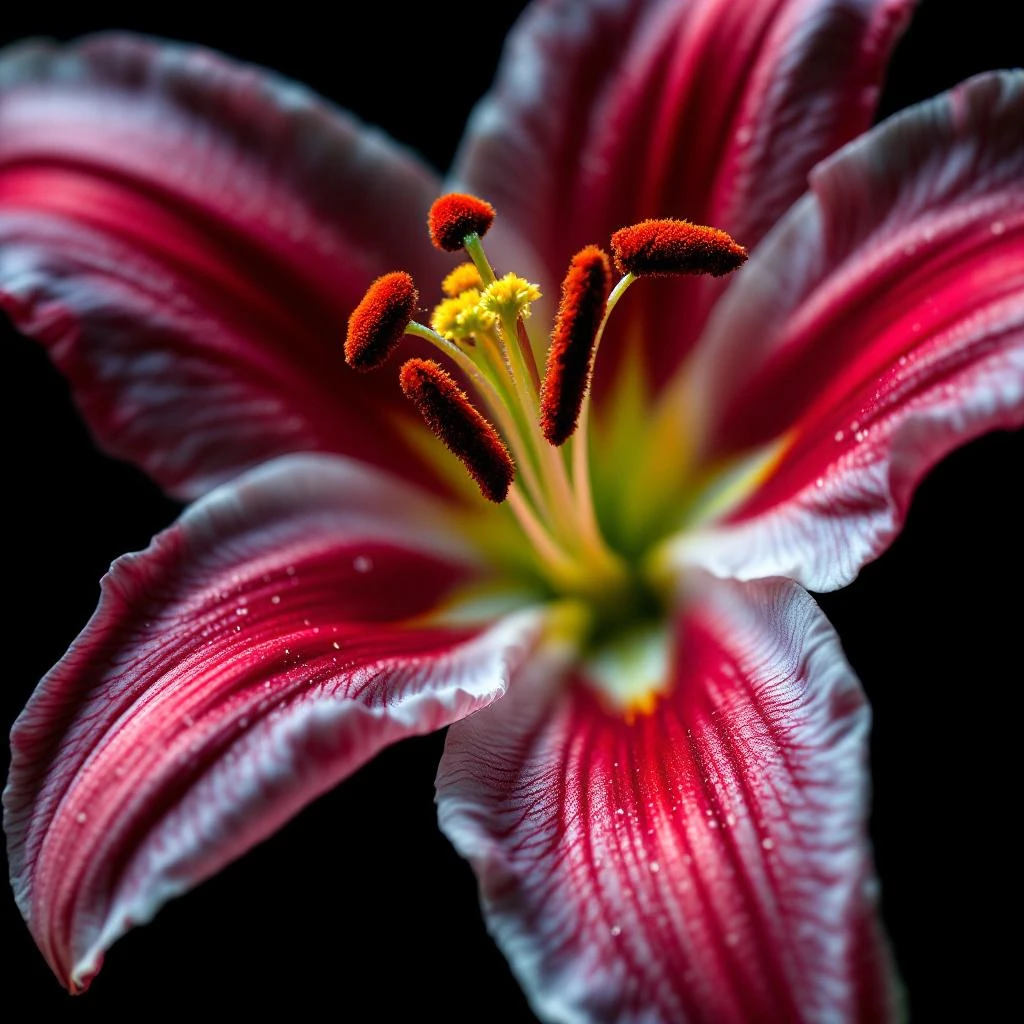
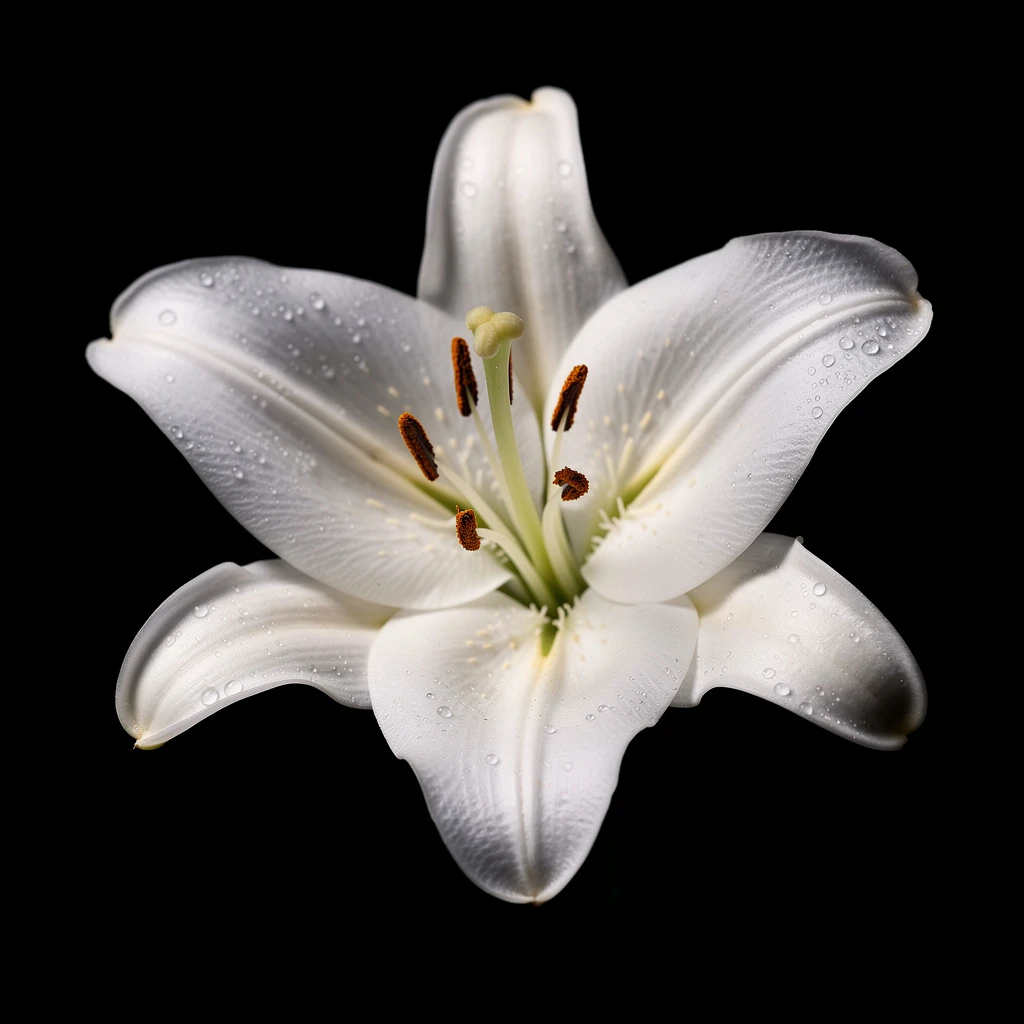
Lily pistil delivers a fresh, green‑cream aroma that bridges the crispness of spring foliage with a subtle, buttery depth, making it a prized note for modern accords. Its nuanced profile adds both brightness and softness to compositions, inviting discovery in every spray.
Character
How it smells
Green‑cream elegance from the heart of the lily.
The pistil of a lily holds volatile compounds up to 30 % more concentrated than those in the petals, which is why perfumers isolate it for a richer, greener scent.
Pairs beautifully with
Origin
China
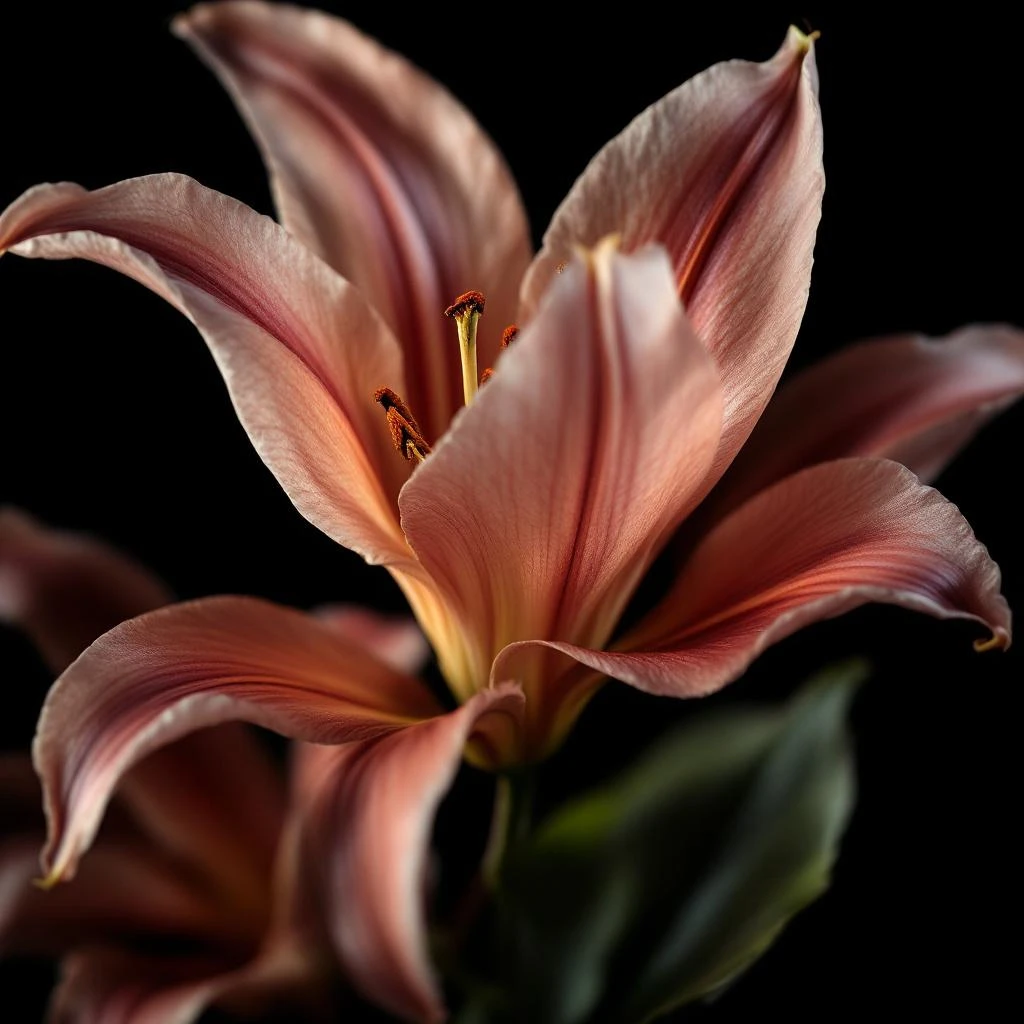
In the late 1800s, French ateliers began experimenting with lily pistil extracts after discovering that the flower's reproductive organ emitted a scent distinct from the petals. Early perfume houses in Grasse documented the pistil's green‑cream nuance in their notebooks, noting its ability to lift heavy amber bases. By the early 20th century, the pistil became a signature element in classic fougère and chypre blends, prized for its ability to add a crisp, natural edge.
During the post‑war era, perfumers turned to synthetic analogues as lily harvests dwindled, yet the original pistil extract retained a cult following among artisans who prized authenticity. Today, niche brands revive the pistil to honor its historic role while showcasing modern extraction technology.
Wears it best
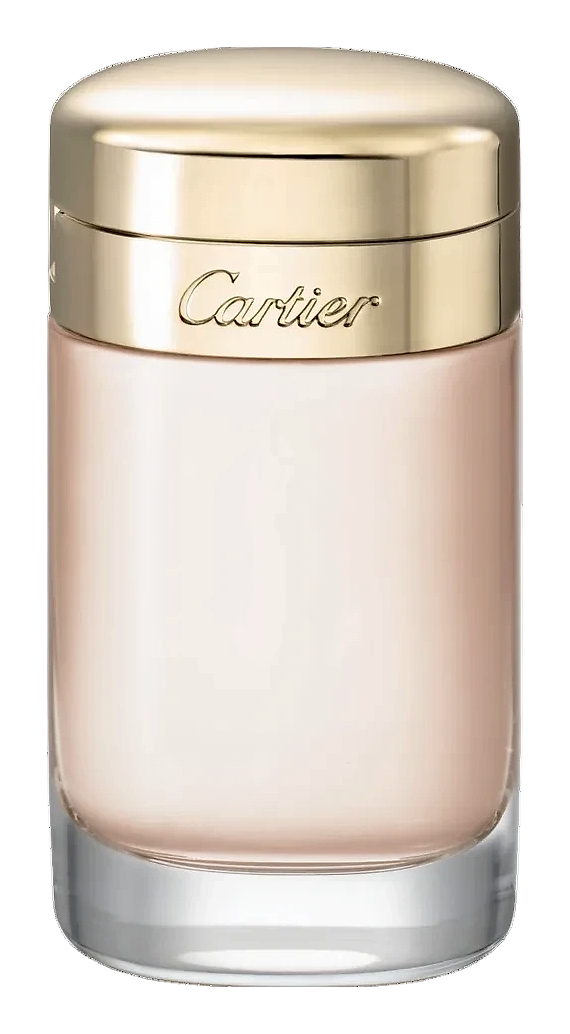
Fragrances featuring Lily pistil
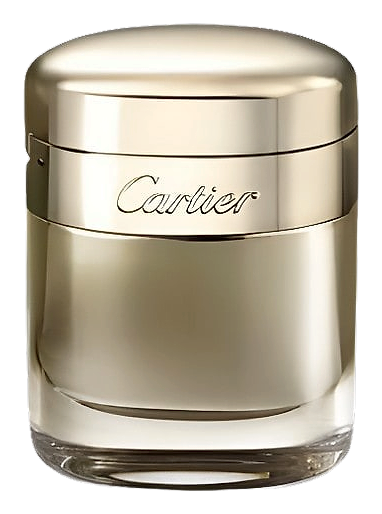
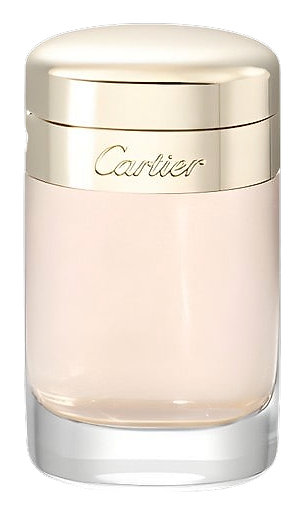
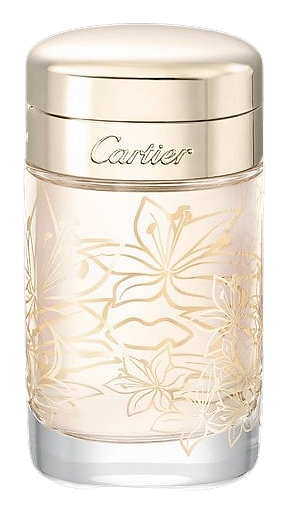
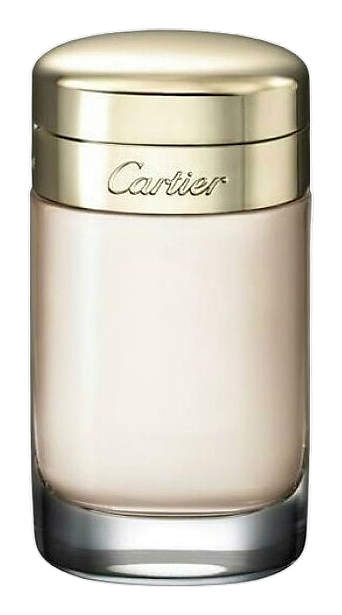
Brands
Brands known for Lily pistil
Good to know
Questions, answered
The essentials on Lily pistil in perfumery: how it smells, where it comes from, and how it behaves on skin.
What does lily pistil smell like?
Lily pistil smells fresh, green‑cream with a subtle buttery undertone. The note blends crisp foliage aromas with a soft, milky finish, creating a balanced scent that brightens many compositions. A 2022 analytical study recorded dominant hydroxycitronellal and lily aldehyde peaks in the extract.
How is lily pistil extracted for perfumery?
Extractors use supercritical CO₂ to pull volatile oils from hand‑picked pistils at low temperature. This method preserves the delicate green‑cream molecules without degrading them. In 2021, a French laboratory reported a 68 % yield of absolute from fresh pistils using this technique.
Why do perfumers prefer pistil over whole flower?
Perfume creators favor pistil because it concentrates the green‑cream aroma while minimizing watery petal notes. The pistil yields a richer, more defined scent profile. A 2019 comparative test showed pistil absolute contained 1.8 × the concentration of lily aldehyde versus whole‑flower extracts.
Which regions produce the highest quality lily pistil?
The Zhejiang province of China supplies the most consistent pistil material, thanks to its cool spring climate and fertile loam soils. Growers there report a 12 % higher oil content per pistil than neighboring regions, according to a 2020 agronomic survey.
Is lily pistil extraction sustainable?
Harvesters practice selective picking, taking only pistils and leaving the rest of the flower to decompose naturally. This approach reduces waste and supports soil health. A 2023 life‑cycle analysis recorded a carbon footprint of 1.4 kg CO₂ per kilogram of absolute, comparable to other flower absolutes.
How does lily pistil interact with other fragrance notes?
Lily pistil lifts citrus top notes and softens heavy woods, acting as a bridge between bright and deep layers. In a 2021 formulation trial, adding 5 % pistil absolute reduced perceived sharpness of bergamot by 22 % while enhancing amber warmth.
Can lily pistil be used in natural (non‑synthetic) perfumes?
Yes, the pistil absolute qualifies as a natural ingredient under most organic standards. It appears on the IFRA natural list with a maximum usage level of 2 % in skin‑contact products. The 2022 IFRA report cites lily pistil as safe up to that limit.
What safety considerations apply to lily pistil?
Lily pistil contains hydroxycitronellal, a known sensitizer at high concentrations. Regulators set a 0.5 % threshold for leave‑on cosmetics. A 2020 dermatology study recorded a 0.03 % incidence of mild skin irritation when the absolute exceeded the recommended limit.





