
The Story
Why it exists.
The beginning
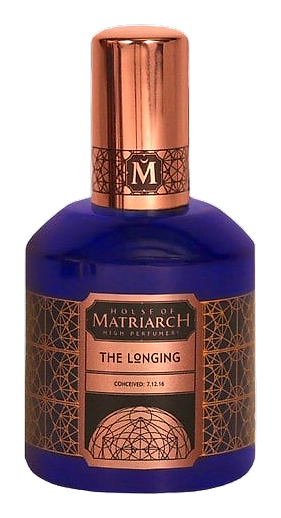
Christi Meshell saw a day lily at the Summer Solstice. Crimson petals, full sun, the kind of moment that stops you mid-step. She breathed the bloom and found something unexpected, a perfume already there, hidden in petals she hadn't expected to smell like anything at all. She bought the plant that same afternoon. Studied it for a week as the remaining buds unfurled, watching how the scent changed from morning to evening, how each part of the flower held something different. The 2019 fragrance that followed is named for that single, fleeting bloom, Daylily, a study in botanical truthfulness from a perfumer who treats flowers as more than raw material.
Most florals are built as showcases, here's the rose, here's the jasmine, notice how strong it is. Daylily works differently. The brand explicitly refuses to list a pyramid, insisting the fragrance is blended so no single note announces itself. This is the anti-accord, the anti-showpiece. The lily is present, yes, but softened by green and earth, given weight by mossy, boggy base components that are House of Matriarch's signature. The animalic note, whatever form it takes, isn't a shock value move. It's the realism. The truth that flowers grow from soil, that beauty has roots, that the thing making this fragrance last twelve hours isn't the petals at all.
The evolution
Daylily opens like water on green stems, bright, almost watery, with the freshness of something just picked. There's no delay, no top-note standoff. Within minutes the lily asserts itself, but tempered, its sweetness cut by something sharper and more interesting. The spice arrives quietly, not announcing itself, just present in the background like a note you can't quite identify but would miss if it disappeared. As the hours pass, the floral softens and the base components emerge: moss, damp earth, the faintest animal warmth. This is where the fragrance lives longest, in that green, living territory between bloom and soil. The final drydown is intimate, close to the skin, detectable the next morning if you slept in it. Twelve hours is not an exaggeration on most skin types.
Cultural impact
Daylily arrived at a moment when mass-market florals often rely on synthetic shortcuts, making House of Matriarch's naturalistic approach a quiet counterpoint. The day lily itself holds cultural weight as a symbol of the Summer Solstice and fleeting beauty, its bloom lasting only a day. By centering the fragrance on a single botanical encounter, the brand participates in a broader return to ingredient transparency and artisanal authenticity that characterizes contemporary niche perfumery. The 2019 launch also reflects how indie houses increasingly translate personal botanical experiences into wearable compositions, blurring the line between perfumery and botanical illustration.