
The Story
Why it exists.
The beginning
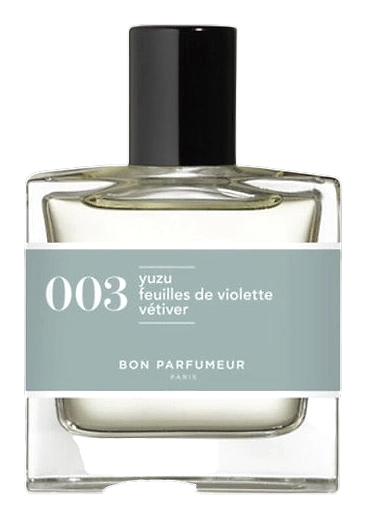
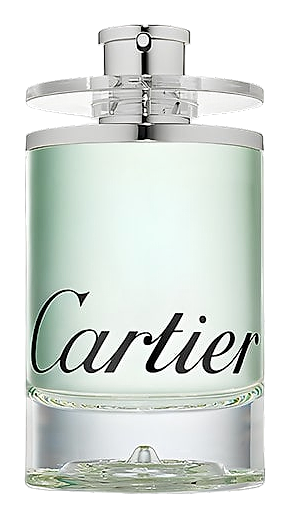
In 2002, Cartier tasked Christine Nagel with a brief that sounds simple: take the Maison's concept of invisible jewellery and translate it into scent. Not a statement fragrance. Not a logo-fragment. Something you wear against the skin. Concentree arrived that year as a counterpoint to the bold, sillage-heavy releases dominating the market. The name itself is the concept, concentrated, intimate, close. Nagel built it around yuzu, a Japanese citrus that had barely entered Western perfumery, paired with coriander for green, almost mineral freshness. The heart draws from lavender and violet leaf, herbs that smell like air after rain. The base grounds everything in white amber, cedar, and patchouli. It was never meant to fill a room. It was meant to stay with you.
What makes Concentree interesting is the coriander. In most fragrances it reads as background noise, a supporting note. Here it sits front and center alongside yuzu, adding a green, almost saline counterpoint to the citrus brightness. The combination smells like pressing your face into a just-opened grapefruit, tart, clean, with something almost metallic underneath that keeps it from being sweet. Then lavender takes over, but not the lavender of soaps or sachets. This one reads herbal, almost medicinal in the best way, like the air in a stone-walled room with the windows open. The violet leaf is the quiet achiever, it doesn't announce itself but it stops the composition from tipping into soapy territory.
The evolution
The opening arrives fast, yuzu and coriander hitting the skin like cold water. Bright. Green. Almost astringent. Within ten minutes the yuzu softens and the coriander opens, revealing its green, slightly peppery character. The citrus doesn't disappear; it recedes to the background like morning light through curtains. Then the lavender arrives, and this is where Concentree becomes itself. Not soapy, not medicinal, just clean and cool and present. Violet leaf adds a damp, green undertone that keeps the lavender honest. This phase lasts two to three hours. The drydown is where patience pays off. White amber emerges first, cool and slightly powdery, before cedar and patchouli arrive together. The patchouli is dry, not sweet, the kind that smells like earth rather than incense. Cedar adds structure without adding weight. On skin this lasts four to six hours, longer on fabric. The next morning: a faint trace of cedar and white amber, like skin that was somewhere beautiful and has since come home.
Cultural impact
Concentree arrived in 2002 as a quiet alternative to the bold, sillage-heavy fragrances of that era. It never dominated the market, but those who found it kept wearing it. Described by fans as clean, sophisticated, and expensive-smelling without being loud, it has developed a following among people who prefer their fragrance to stay close rather than announce itself. The yuzu-violet leaf pairing gives it a green, almost aquatic quality that reads as neither masculine nor feminine, it simply smells like someone who knows.