
The Story
Why it exists.
The beginning
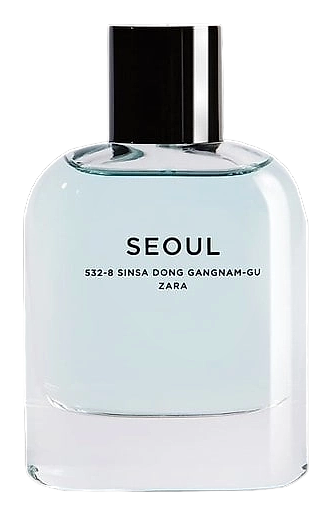
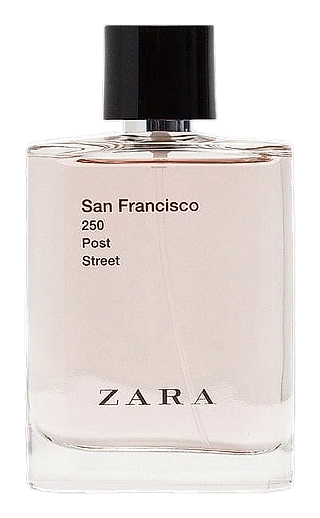
Zara's fragrance line has always followed fashion's lead: contemporary references, city names, accessible price points. San Francisco 250 Post Street takes that urban naming convention literally, 250 Post Street is the location of Zara's flagship store in the city by the bay. The name frames the fragrance as something tied to place, to a specific corner of a specific neighborhood. It reads less like perfume marketing and more like coordinates.
What makes this one interesting is the note architecture. Yuzu and black pepper open sharp and citrusy, that's the city arriving. But the violet heart takes over quickly, introducing a powdery softness that doesn't belong to any particular gender or age. It's that middle ground where fresh and floral overlap, kept honest by the spiced opening and grounded by vanilla-cedar. The composition isn't trying to be niche or luxury. It's trying to be the best version of accessible, which is harder than it sounds.
The evolution
The opening hits like stepping off a foggy street into a warm café. Black pepper has a bite, yuzu adds brightness without sweetness, and there's an incense-like quality lurking underneath that one reviewer caught, not heavy, just present enough to give it weight. Within twenty minutes, violet takes over completely. The shift is almost total: from sharp citrus to powdery floral, like the city itself clearing up. The vanilla doesn't announce itself, it sneaks in around the forty-minute mark, sweetening the cedar just enough to soften the edges. By hour two, you're in the drydown. Cedar and vanilla hold the fort for another four to six hours depending on your skin. It's not a fragrance that announces itself at the end. It whispers. But it whispers for a long time.
Cultural impact
San Francisco 250 Post Street landed in 2015 as part of Zara's city-themed fragrance collection. It carved out space in the accessible men's fragrance market by leaning into powdery florals, a move that divided opinion but earned loyalty from those who found it. The violet-forward orientation set it apart from the aquatic and fougère standards of the era. While the fragrance has since been discontinued, it remains a reference point for what Zara could do when it pushed beyond safe territory.