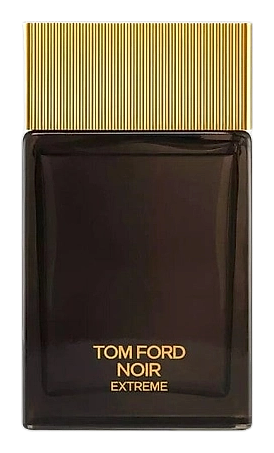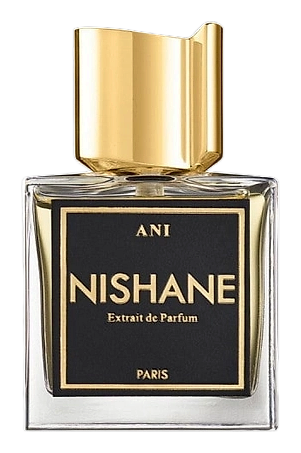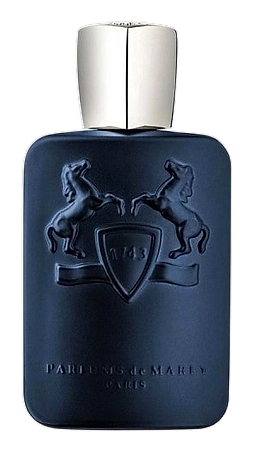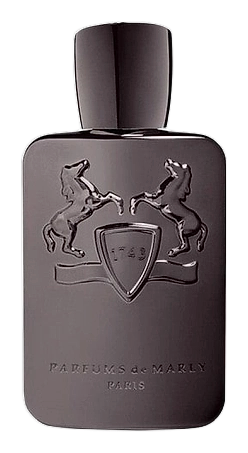
The Story
Why it exists.
The beginning
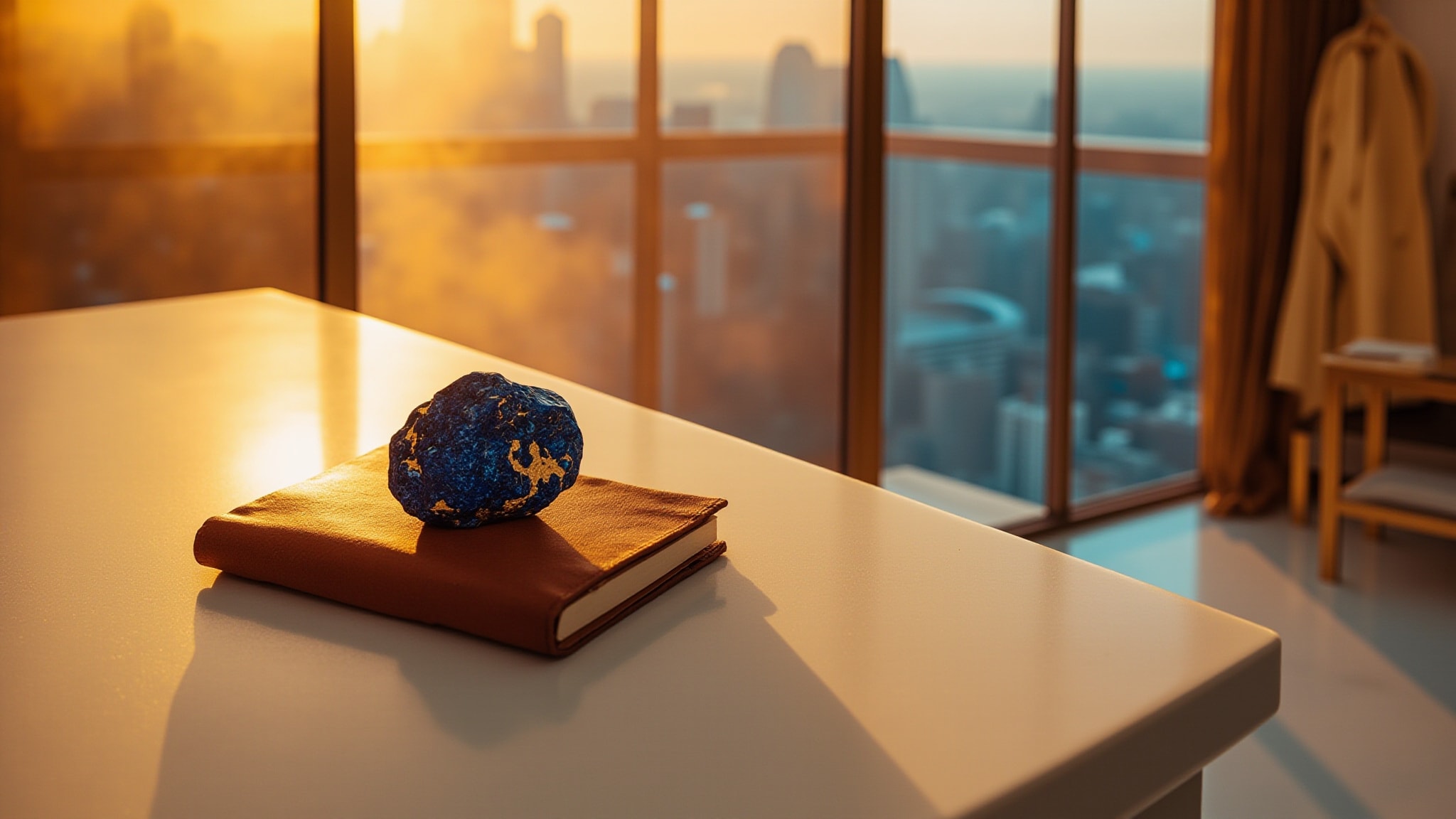
Saffron Lazuli belongs to the Herrera Confidential collection, the house's laboratory for compositions that push past the usual Herrera vocabulary. The name carries weight: lazuli refers to lazurite, the mineral at the heart of lapis lazuli, a stone so deeply blue it was once worth more than gold. Infinitely precious. Ancient. Something that demanded reverence. Perfumer Aliénor Massenet built this around a paradox. Saffron is one of the world's costliest spices, aromatic, warm, slightly animalic, but it can also read sharp, even medicinal on first spray. Her solution wasn't to soften it. It was to confront it with leather, with blackcurrant, with the kind of warmth that doesn't apologize for itself. The 2020 release is part of a lineage of Herrera Confidential scents that explore duality through materials: sweet and animalic, precious and grounded. But Lazuli stands apart. It doesn't ask permission.
What makes Saffron Lazuli work is the tension between its opening and its base. The saffron at the top is aggressive, that metallic, almost rubbery quality that can read as petroleum to uninitiated noses. It's not polite. It announces itself and stays for a full thirty minutes before relenting. The blackcurrant is what saves it from being unwearable. Jammy, slightly tart, it cuts through the saffron's sharpness and transforms it into something almost edible. Cardamom adds a green, spicy warmth that bridges the transition from top to heart. In the heart, the rose doesn't arrive as a stereotypical floral. It comes as warmth, a jammy, velvety presence that merges with the orris root's powdery iris.
The evolution
The opening is the test. Saffron dominates, metallic, slightly animalic, with a sharpness that can read as medicinal or petroleum-like depending on your nose and your reference point. Blackcurrant and cardamom hover in the background, but they're waiting, not leading. This phase lasts thirty minutes. It's not subtle. Then the hand-off. The sharp edges begin to soften. The blackcurrant emerges more prominently, adding jammy sweetness that tempers the saffron. Rose arrives quietly, not as a florist's bouquet but as a warm, velvety presence that merges with orris. The composition becomes approachable. Still complex, but no longer confrontational. By the mid-drydown, the leather settles in alongside vanilla and tonka bean. This is where it becomes intimate, projection drops, sillage becomes close and warm. On fabric, the vanilla and leather can persist for eight to ten hours. On skin, the full arc moves faster, but the drydown remains close and personal for hours after application.
Cultural impact
Saffron Lazuli occupies a specific corner of the market, luxury spicy-leathery fragrances that aren't afraid of their own sharpness. Wearers describe it as a signature piece: the kind of fragrance that announces presence before the wearer enters a room. The combination of saffron, leather, and vanilla resonates with those drawn to rich, warm compositions, positioning it alongside heavier oud and leather fragrances from niche houses while maintaining the wearability that defines Herrera's approach.