
The Story
Why it exists.
The beginning
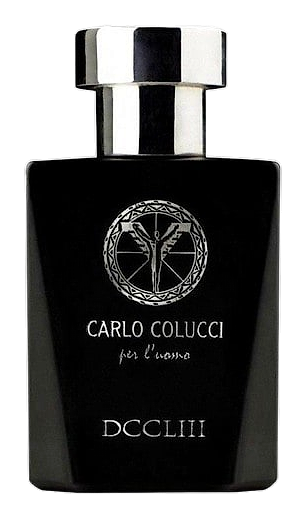
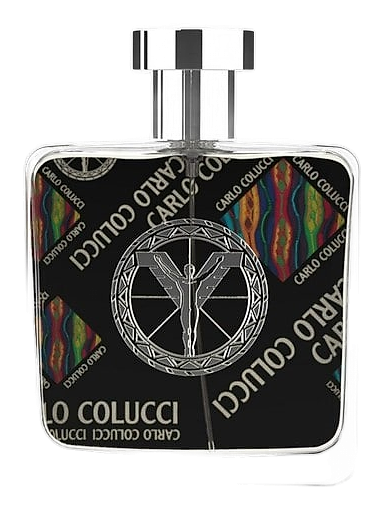
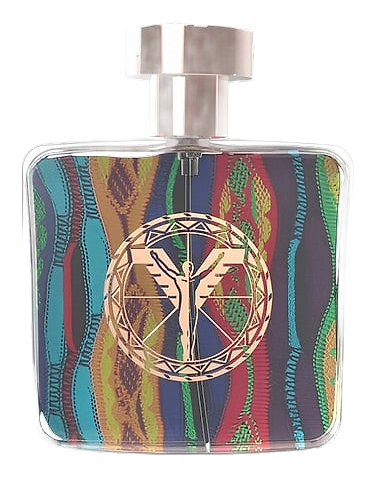
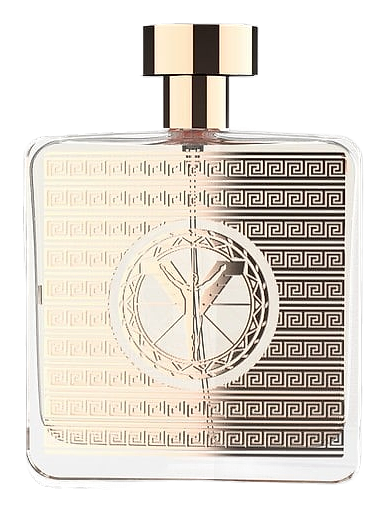
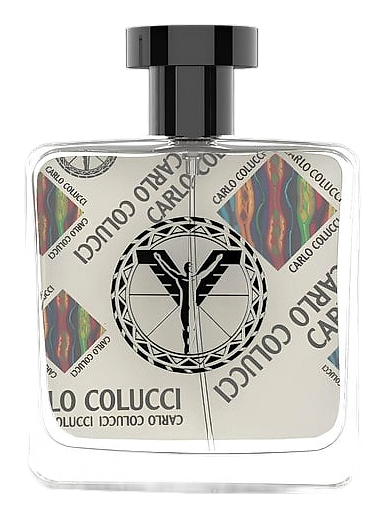
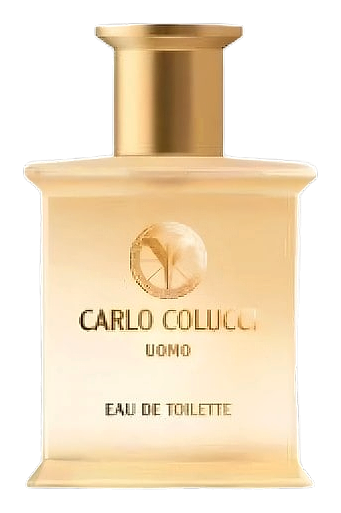
Carlo Colucci Uomo arrived in 2002 as the house's first fragrance, extending a menswear point of view built around bold color and personal expression into scent. No perfumer or formal inspiration is publicly credited, so the composition speaks for itself: cardamom, sage, mandarin orange, and bergamot set up a lively opening before cinnamon, vetiver, and nutmeg bring the warm, aromatic center. Patchouli, amber, sandalwood, and cedar ground the whole thing in a confident woody finish.
The note structure is built around contrast. Citrus and sage make the first impression feel clean and energetic, while cinnamon and vetiver introduce a drier, more textured warmth. Patchouli and cedar give the composition a grounded spine, and amber and sandalwood lend a smoother finish. Together, the notes move from bright citrus and herbal freshness into warm spice, earthy woods, and a soft amber texture, creating a balanced aromatic profile with several distinct facets.
The evolution
It begins with a sparkling lift from mandarin orange and bergamot, sharpened by cardamom and the clean herbal snap of sage. As that brightness settles, cinnamon brings a flash of warmth, while nutmeg makes the middle feel more tactile and spiced. Vetiver adds an earthy edge that keeps the composition from becoming overly sweet. Later, patchouli and cedar settle into the skin with a darker woody warmth, joined by amber and sandalwood's smoother texture. The result is a composed aromatic impression, with the citrus giving way gradually to spice, earth, woods, and amber.
Cultural impact
Carlo Colucci Uomo is defined by its aromatic composition rather than a documented cultural or market narrative. Citrus notes provide the opening brightness, while cardamom and sage add herbal and lightly sharpened character. Cinnamon, vetiver, and nutmeg create a warmer, more textured middle, and patchouli, amber, sandalwood, and cedar form the woody base. The fragrance is notable for the contrast between fresh citrus and warm, earthy materials, giving its composition a layered character without relying on unsupported claims about its occasion, cultural positioning, or visual identity.