
The Story
Why it exists.
The beginning
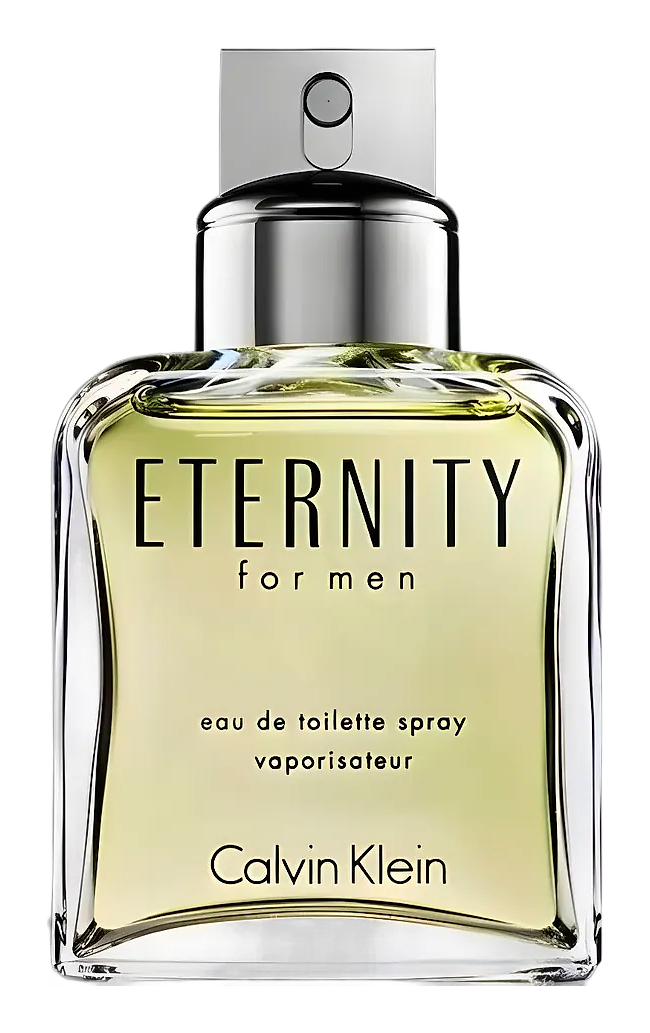
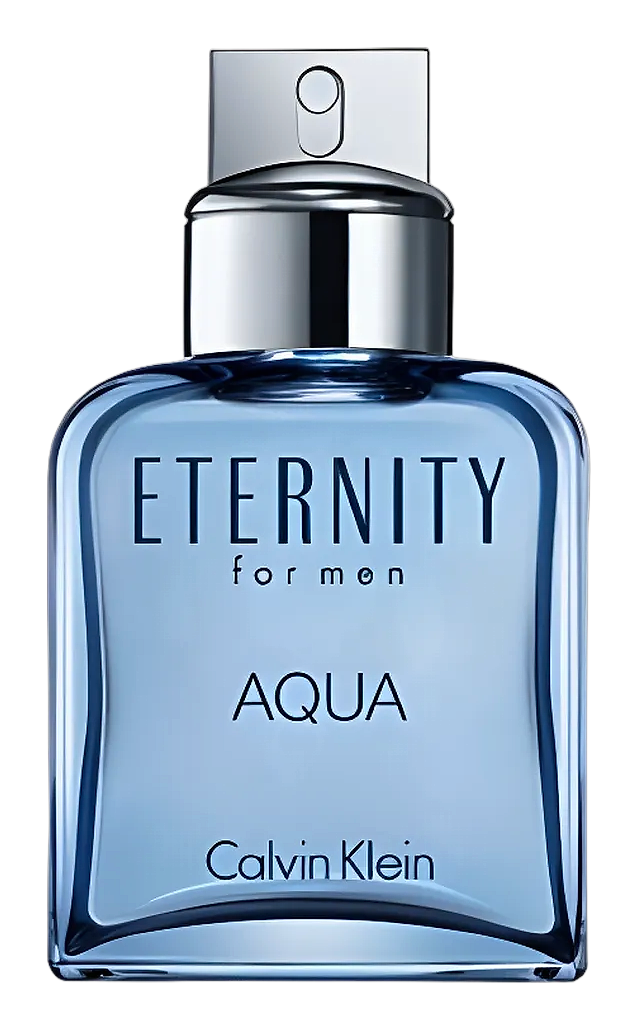
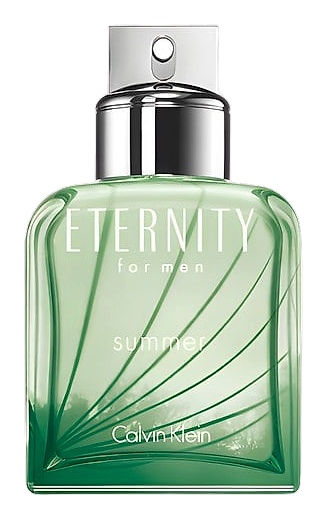
Calvin Klein built Eternity on restraint. Clean lines. No excess. The Summer 2011 edition took that same vocabulary and translated it into warmth, bright citruses, aquatic lift, a jolt of mint to cut through heat. It arrived as a limited release, a seasonal chapter in an ongoing conversation about what a modern men's fragrance can be. The Eternity line has always stood for something lasting, which is exactly what makes a summer variant interesting: how do you capture fleeting warmth in a bottle built for permanence?
The combination of watermelon and star anise is the structural oddity here. Watermelon reads as pure novelty, sweet, watery, immediate, while star anise brings a quiet spice that usually lives in winter compositions. Putting them in the same breath, anchored by galbanum's green medicinal edge and softened by lily of the valley, creates a tension that's unusual for a mass-market summer release. Most flankers play it safe. This one took a swing.
The evolution
The opening arrives fast, watermelon and mint hit within seconds, citrus brightening the edges. It smells like opening a window in August. The aquatic notes linger through the first twenty minutes, then hand off to the heart: galbanum and star anise. That's the turn. What was juicy becomes herbal, slightly bitter, then the lily of the valley smooths it. By the second hour, cedar and patchouli emerge, warm, dry, nothing like the cool opening. The amber keeps everything soft. By hour three, it's skin-close. A faint woodiness that doesn't announce itself. Gone by evening.
Cultural impact
Eternity for Men Summer 2011 arrived during a transitional moment in designer fragrance. The early 2010s saw a shift away from the heavy ambers and woods of the 2000s toward lighter, more transparent compositions. Calvin Klein positioned this flanker as a seasonal statement rather than a permanent addition, reflecting a broader industry trend toward limited editions and summer-specific releases. The watermelon note was unusual for its time, more commonly found in niche and indie fragrances than mainstream designer releases. The 2011 launch also predates the modern indie fragrance boom, making this a snapshot of what mass-market freshness meant before the niche revolution expanded consumer expectations.