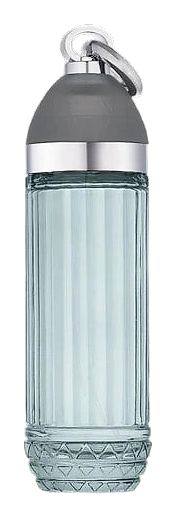

The Story
Why it exists.
The beginning
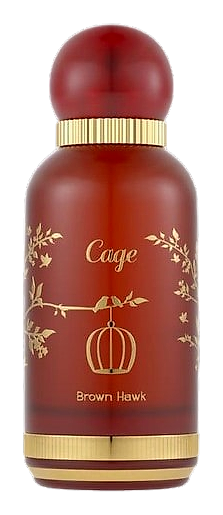
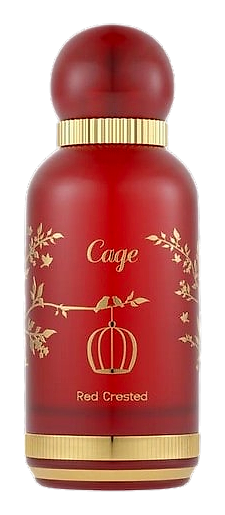
Cage For Men arrived in 1997 as part of the early Cage lineup. It was a debut statement for the men's line, built around a familiar masculine structure that the brand returned to over and over. The fragrance follows a traditional pyramid: bright bergamot, lemon, and pineapple up top, a floral-acacia heart, and a sandalwood-cedar-musk-amber base that grounds the entire arc in warm, familiar territory. The opening leans citrus, with bergamot and lemon doing the brisk work and pineapple adding a rounded, slightly tropical brightness that keeps the top from feeling sharp or thin. The heart softens into acacia, a floral note that carries a powdery, honeyed character without ever tipping into the denser white-floral territory some masculine fragrances lean on.
The composition follows a well-worn template: citrus top, floral heart, woody-musky base. At the center, acacia and jasmine pair up to give the heart a dry, slightly honeyed texture that reads more like sun-warmed linen than a dense bouquet. The base leans sandalwood and cedarwood, with musk and amber rounding out the finish into something warm and familiar. Pineapple adds a tropical lift to the opening, rounding out the sharper citrus notes and keeping the first impression clean and bright.
The evolution
The first moments belong entirely to the opening trio. Bergamot leads, lemon cuts sharper behind it, and pineapple adds a rounded, almost edible brightness that softens the citrus without dulling it. There's a slight powdery quality underneath, the acacia already beginning to surface as the top notes lose some of their shine. As the opening settles, jasmine steps forward through the middle phase, blending with the acacia to give the heart a soft, honeyed warmth. The base notes arrive gradually rather than crashing in. Sandalwood comes across creamy and grounded, cedarwood adds a dry, pencil-shaving edge, and the musk and amber settle everything into a close-wearing warmth that sits comfortably rather than projecting broadly.
Cultural impact
Cage For Men arrived in 1997 alongside a wave of citrus-woody launches that defined the late 1990s men's fragrance market. Its composition, built around a bergamot, lemon, and pineapple opening and a sandalwood, cedar, musk, and amber base, slotted neatly into that era's masculine template without feeling like a clone of anything else on the shelf. The fragrance became a quiet staple rather than a headline-grabbing blockbuster. It was the kind of bottle you recognized in passing, familiar enough to feel welcoming, distinct enough to stay in the rotation rather than getting swapped out a season later.