The Story
Why it exists.
The beginning
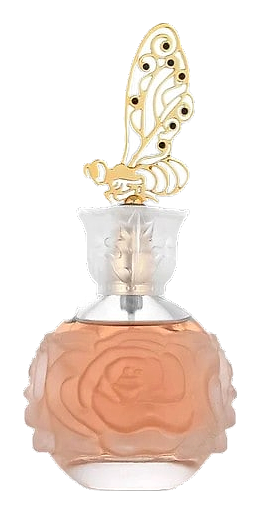
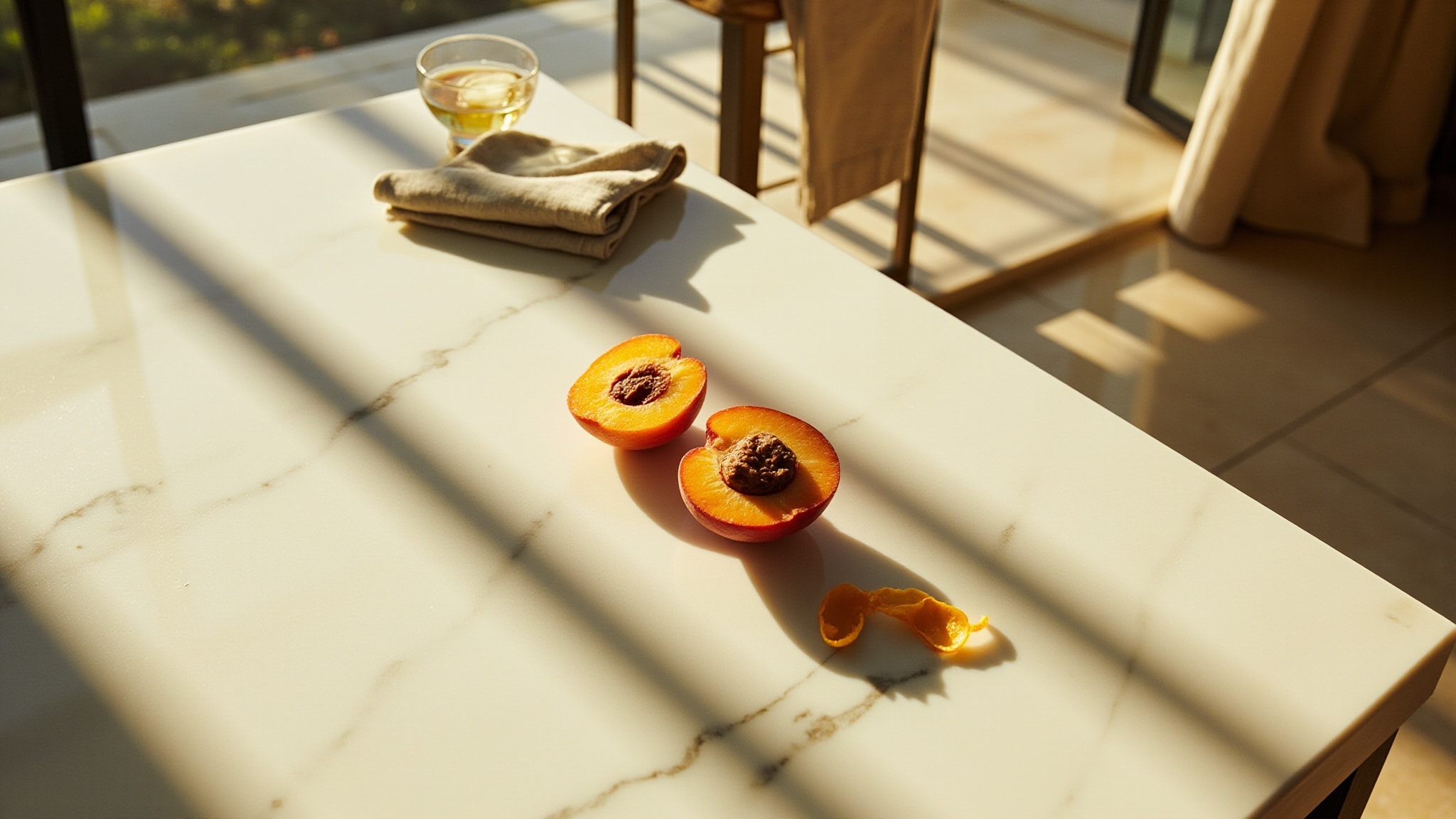
Bee arrived in 2016, part of Cage's growing catalogue of scent stories built around clear, placeable ideas. In this case, the inspiration is the easy warmth of stone fruit caught in late-afternoon light, the way sweetness blooms without demanding anything of you. There's something almost edible about it, a fruit-bowl warmth that feels closer to a kitchen than a perfumery counter. Cage released the composition under their women-marketed line, a floral-fruity built around an apricot and mandarin opening that sets the tone right away. The fruit notes are generous, round, and warm, the kind of sweetness that comes across as ripeness rather than sugar. A floral heart softens the edges before a clean, creamy base settles in to ground everything. No named perfumer appears on record.
What makes Bee's structure worth noting is the contrast between its fruit-floral core and the restraint of its base. Apricot and mandarin carry a sugary first impression that could easily read juvenile, but cedarwood steps in early to add a clean, wooden snap that keeps things from collapsing into candy. The cedar doesn't announce itself with the dry pencil-shavings sharpness you sometimes get from that note; instead it reads as a polished surface, a quiet backbone. Then vanilla and musk don't pile on more sweetness.
The evolution
The first hour is where Bee is loudest, though loud is relative. The apricot leads immediately, joined by mandarin and bergamot in a fruit-citrus burst that feels sun-warmed, almost canned-peach-adjacent without crossing into syrup. There's a jammy quality to the apricot, as if the fruit has been sitting in a warm kitchen all morning, and the mandarin cuts through with a bright citrus peel that keeps the sweetness lifted. The opening sits close to skin, moderate, present but not broadcasting. You catch it when you move, when someone leans in close, but it doesn't fill a room. Then the handoff to the heart is gradual, not abrupt. Lily of the valley and jasmine build that creamy white-floral softness, with the cedarwood threading through underneath, adding a sort of linen-cupboard cleanness rather than a dry wood note.
Cultural impact
Bee occupies an unusual spot in Cage's catalogue as one of the house's more overtly sweet, traditionally feminine compositions. Where the brand has explored other territories and themes, this one stays close to a warm, domestic warmth, reading almost like a still-life of warm fruit and soft florals. The 2016 release makes it one of the earlier entries in what would become a broader portfolio for the brand. It's a fragrance that wears its sweetness without apology, built around stone fruit and soft white florals rather than the sharper citrus or more austere woods that often define the category.