The Story
Why it exists.
The beginning
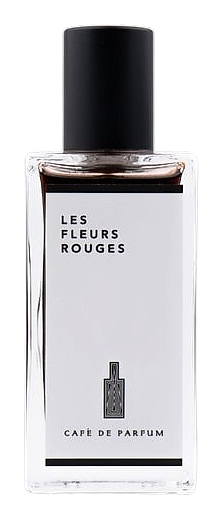
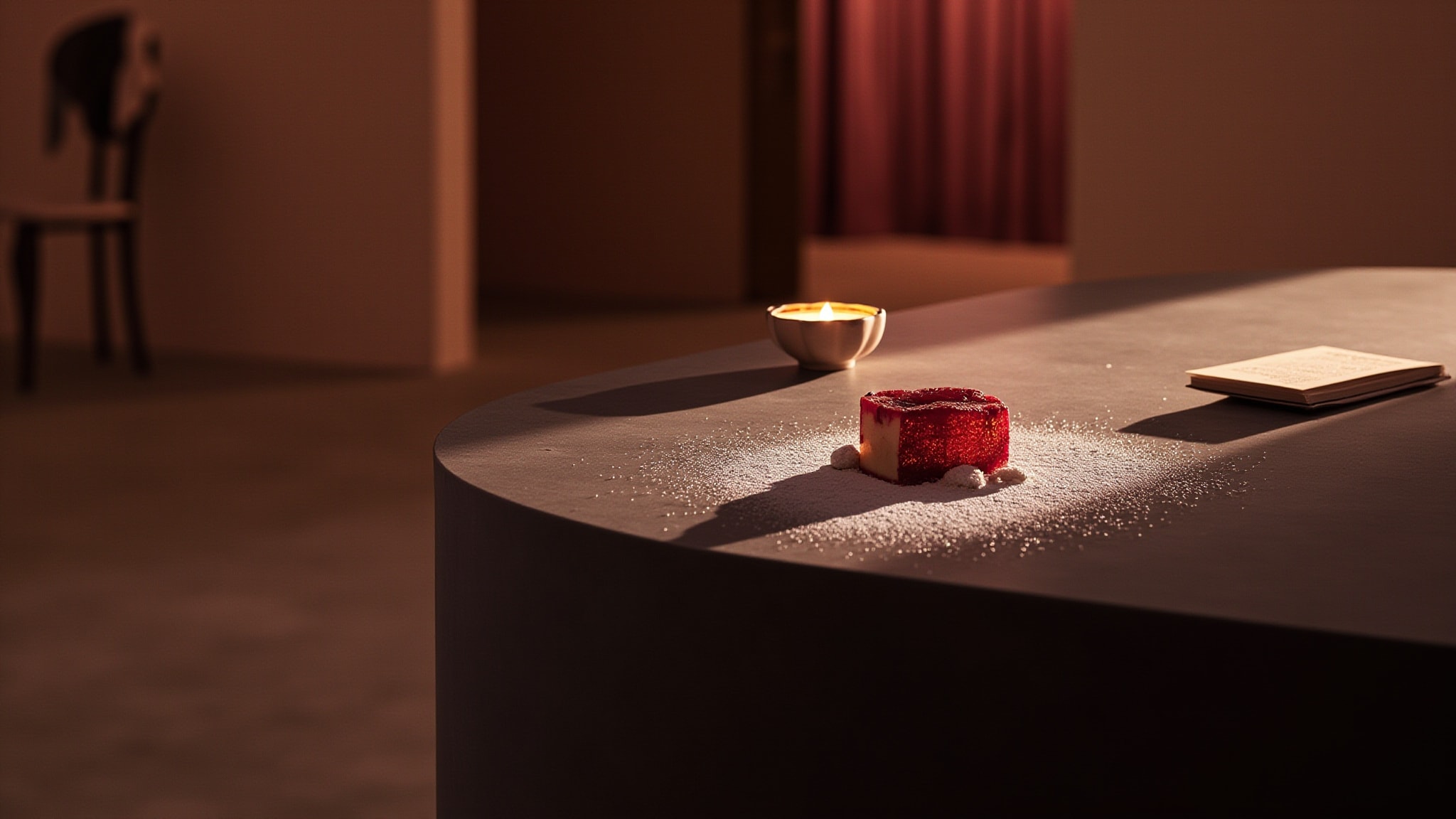
The composition is the work of Saruj Tangtaratorn, and the inspiration lands somewhere between French poetry and Ottoman confectionery. The house framed it as an ode to Turkish delight, that rosewater-soaked sweet from one of the world's oldest culinary traditions. 'Les Fleur Rouges' takes its name from French phrasing that translates roughly to 'the red flowers,' and an Anne Brontë line about thorns and roses appears in connection with the scent, which tells you everything about the mood they were chasing. Pretty, but not without cost. The name itself sits slightly outside standard French grammar, 'fleur' taking the singular where plural would be expected, lending the title a kind of deliberate poetry that suits the fragrance's blend of sweetness and thorniness.
What makes this composition worth slowing down for is the tension between its center and its base. Rose and raspberry is the obvious move, a floral-fruity pairing as old as perfumery's instinct to mirror a garden. The twist lives underneath. Oakmoss gives the composition that mossy, forest-floor gravity that keeps it from drifting into confection territory. Civet, that old-school animalic note once sourced from gland secretions and now almost always synthesized, adds a musky, almost feline warmth that makes the rose smell less like a bouquet and more like skin.
The evolution
The first minutes are all citrus. Orange and bergamot slice through the air with a brightness that feels almost breakfast-adjacent, then cardamom threads underneath, not sharp, more like the smell of a pastry kitchen at dawn. The cardamom does something subtle in the opening, lifting the citrus rather than smothering it, adding a warm, slightly resinous undertone that keeps the brightness from feeling thin. Then the rose arrives, and it's not the polite powder-room version. It's jammy, dense, slightly bruised, and the raspberry pushes it further into something that smells edible. The raspberry works almost like a stain, bleeding into the rose and deepening its color from pale petal to crushed fruit.
Cultural impact
The Turkish delight framing gives the fragrance a specific cultural anchor. Turkish delight is a sweet with deep roots, a confection whose rosewater-soaked identity connects to one of the world's oldest culinary traditions, and invoking it here pulls the scent away from the typical French rose trope. That positioning matters because rose perfumery has its own heavy history, and most modern rose fragrances lean either toward the clean, transparent florals of contemporary niche or toward the dense, syrupy roses of classical perfumery. This one carves out its own lane.