
The Story
Why it exists.
The beginning
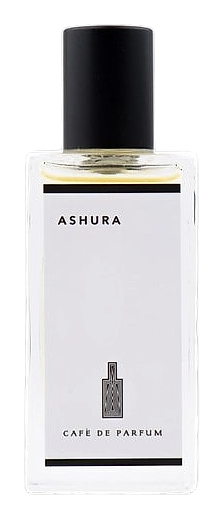
The name Ashura carries weight. In some traditions, it marks a turning, a moment of remembrance, of something ancient arriving in the present. For Saruj Tangtaratorn, the perfumer behind this fragrance, the intention was clear: build something that moves between brightness and darkness without ever choosing a side. The result opens with fig and pomegranate, fruit that smells both ripe and slightly tart, then refuses to stay in that sunny territory. Cardamom and black pepper push in. Then frankincense. Then smoke. The fragrance shifts like light through a temple at dusk.
What makes the composition unusual is the sequencing. The fragrance arrives fruity and tart, almost fresh, then accumulates mass as the minutes pass. The frankincense doesn't arrive as a supporting player, it takes over the heart, pushing the fig and pomegranate toward memory. By the time cedar and tobacco arrive in the base, you're wearing something that feels older than the first spray suggested. The nuttiness in the drydown is the quiet detail that rewards patience: a roasted, slightly sweet warmth that bridges the smoke and the wood.
The evolution
The first spray hits bright. Fig's milky sweetness meets pomegranate's sharp fruit, almost juicy. Black pepper and cardamom prick at the edges. Before long the fruit begins to recede and the fragrance takes on a different character. The frankincense arrives not gently but decisively. Pine resin joins it, and suddenly you're in smoke territory. The transition isn't seamless, there's a moment where the composition seems to pause, as if deciding what it wants to be next. Then cedar and tobacco arrive to anchor everything. The drydown is where Ashura earns its staying power. Cedar holds the structure. Tobacco adds a warm, slightly bitter sweetness. The nuttiness, that roasted quality, sits underneath, close to the skin.