The Story
Why it exists.
The beginning
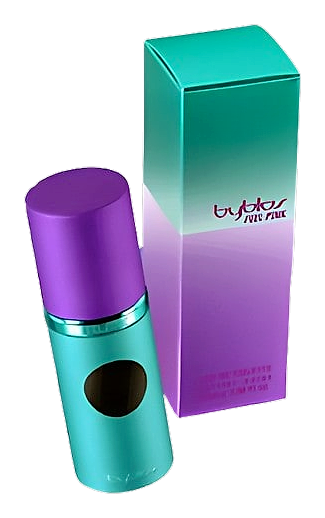
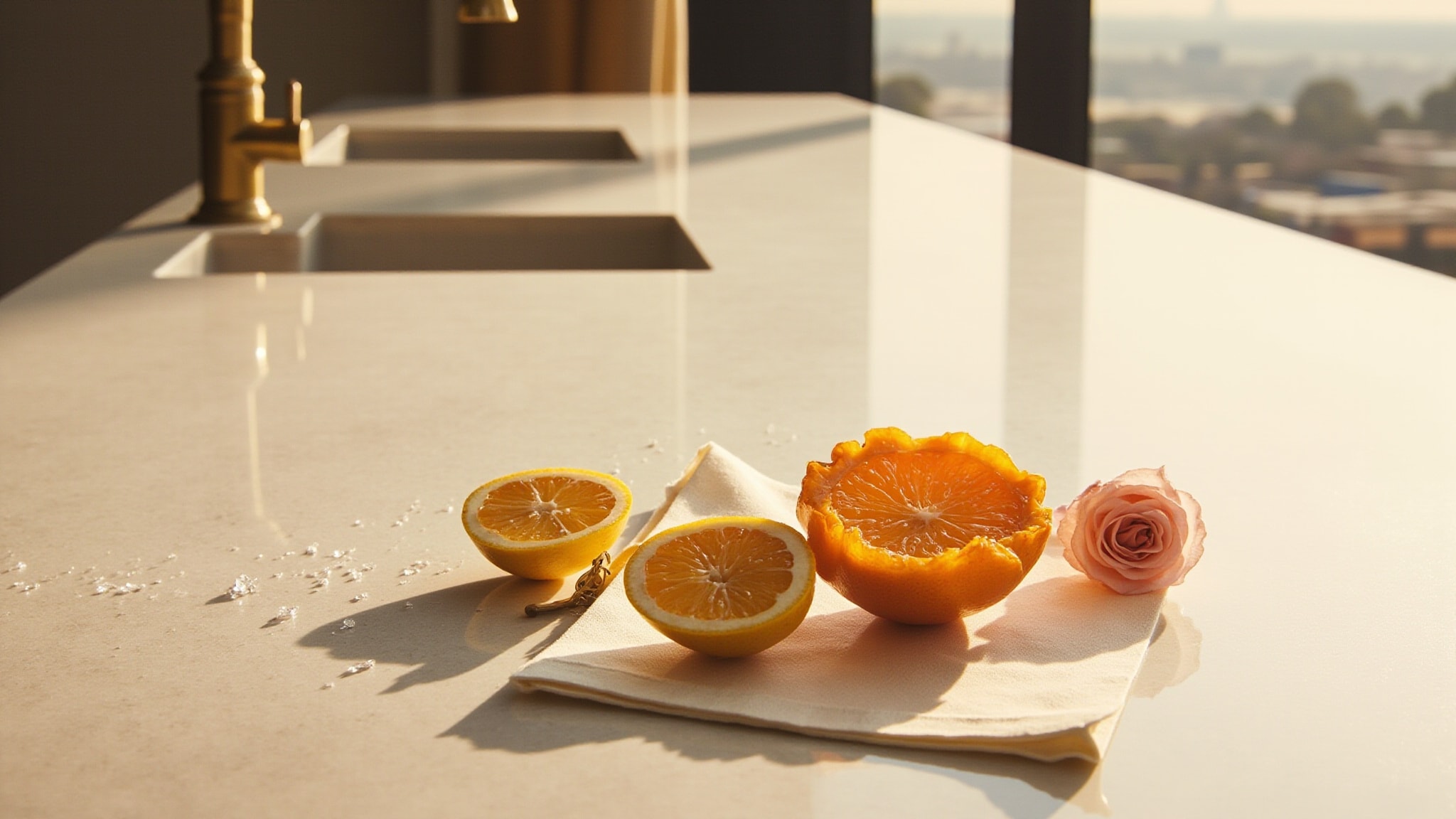
Byblos launched Feel Pink in 2003, a clean, bright floral that kept its palette simple on purpose. Bergamot and tangerine up top, a rose-led heart laced with osmanthus, jasmine, and freesia, then a quiet landing on amber, musk, and sandalwood. No fireworks. Just a polished, easygoing floral tuned for wearing, not displaying. Feel Pink reads as the softer, more wearable side of a label that has long treated scent as a creative medium worth exploring. The citrus keeps things current, the florals hold the composition together, and the warm base stops it from dissolving into shower-fresh territory. The structure is direct without being thin, layered without being complicated.
What makes the structure worth noticing is the contrast between the opening's sharp citrus and the base's rounded warmth. Feel Pink splits the difference, holding a clean, juicy brightness in the first hour and sliding toward a softer, more skin-bound finish as the hours pass. The osmanthus in the heart is the move that holds it together, a note with a natural apricot-skin warmth that bridges the juicy tangerine above and the amber-soft base below. Without it, the composition would feel like two different ideas taped together.
The evolution
The first fifteen minutes are the loudest Feel Pink ever gets. Bergamot and tangerine hit with a clean, almost sparkling citrus that reads as bright and uncomplicated, the kind of opening that could belong to a body wash and means to. As that top layer thins, the florals start crowding in. Rose arrives first, soft and slightly dewy rather than jammy, then freesia brings a cool, almost cucumber-like snap, and jasmine rounds out the bouquet with its creamy, slightly green presence. Osmanthus sits underneath all of it, lending a faint stone-fruit warmth that keeps the bouquet from feeling sharp or soapy. The heart holds for a solid hour, maybe two, before the base starts surfacing. Amber and sandalwood take over quietly, the musk threading through to keep everything skin-close. There's no dramatic drydown shift. The fragrance just gets warmer, softer, more private.
Cultural impact
Feel Pink is the kind of fragrance that earns its place on a shelf through repetition rather than revelation. The production was apparently discontinued, which means surviving bottles have taken on a slight collector quality, but Feel Pink was never framed as anything more than a pleasant, easy-to-wear floral. It didn't try to reinvent the category, and that's part of why it worked for the people who reached for it. The citrus-floral structure made it a default for daytime, and the musky, amber-soft base gave it just enough warmth to feel personal. For anyone who wore it, Feel Pink was never about making a statement.