The Story
Why it exists.
The beginning
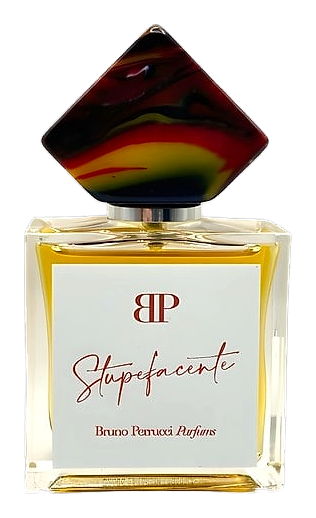
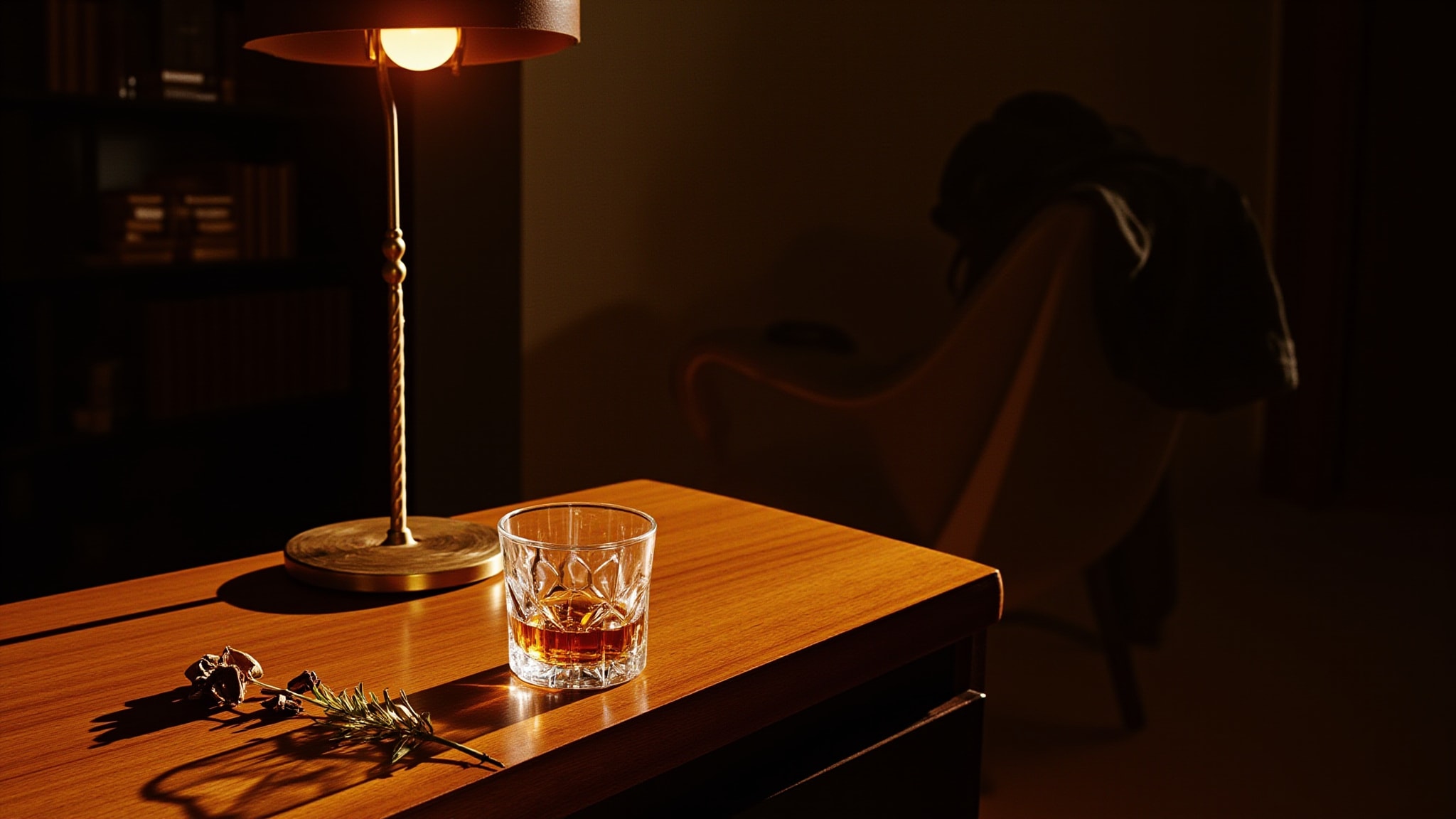
Bruno Perrucci chose "Stupefacente", Italian for astonishing, as an alternative to the overused word "narcotic" in fragrance naming. There's intent in that choice. This 2024 release came from a specific creative brief: merge two worlds the perfumer loves, fougère and narcotic florals. Theunisex positioning reflected the brand's desire to explore how these two fragrance families could coexist in a single composition. Cognac brings a warm, slightly boozy quality that sits alongside the cool precision of fougère architecture. Anise adds a sharp, herbal edge that cuts through the sweeter floral elements. Together, these materials create a fragrance that balances opposing impulses without resolving them entirely.
Fougère is one of perfumery's oldest families, defined by coolness and a certain herbal precision that runs through its structure. Narcotic florals such as lily of the valley and rose offer a contrasting sensory profile, adding depth and a different kind of complexity to the composition. Cognac brings warmth and a slight boozy depth that integrates with the floral elements. Anise, sharp and cold, distinctly herbal in character, gives the opening an almost medicinal edge that demands attention. These materials coexist in a way that highlights their differences while creating something cohesive.
The evolution
The opening announces itself immediately. Cognac brings unexpected warmth while anise delivers that cool, sharp bite, the two together create an entrance that doesn't ask permission. These materials establish the fragrance's character right away, setting up the contrast that defines it. As the top notes begin to settle, the florals emerge from beneath. Lily of the valley, green tea, and geranium offer a clean, slightly herbal quality that softens the anise edge without replacing it entirely. Rose appears as well, adding another layer to the floral heart and contributing to the overall complexity. The fougère architecture asserts itself as the fragrance develops. Patchouli and grey musk form the structural spine of the composition. Vanilla and amber introduce a powdery warmth that gradually becomes more prominent, weaving through the green and floral notes and creating a layered effect.
Cultural impact
Star anise has been a cornerstone of perfumery since the early days of fragrance creation, prized for its licorice-like warmth and spicy complexity that adds depth to oriental compositions. Bitter orange brings a distinctly Mediterranean character to fragrance, reflecting centuries of cultivation across Southern Europe and North Africa where the fruit has held cultural and culinary significance. Cognac notes represent a sophisticated evolution in modern perfumery, where traditional luxury spirits meet innovative scent design. These ingredients together create a bridge between culinary traditions, perfumery artistry, and sensory memory that resonates across cultures.