The Story
Why it exists.
The beginning
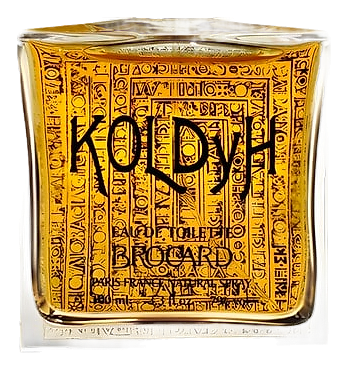
Koldun takes its name from the Russian word for a sorcerer or shaman, a figure who bridges the seen and unseen. Brocard built the composition around that idea: something that begins bright and almost defensive, then reveals a quieter, woodier authority underneath. The citrus-spice opening is the deflection, the cedar-rose drydown is the real voice. It is a men's fragrance from the Russian house, built on a six-note architecture that refuses to clutter itself.
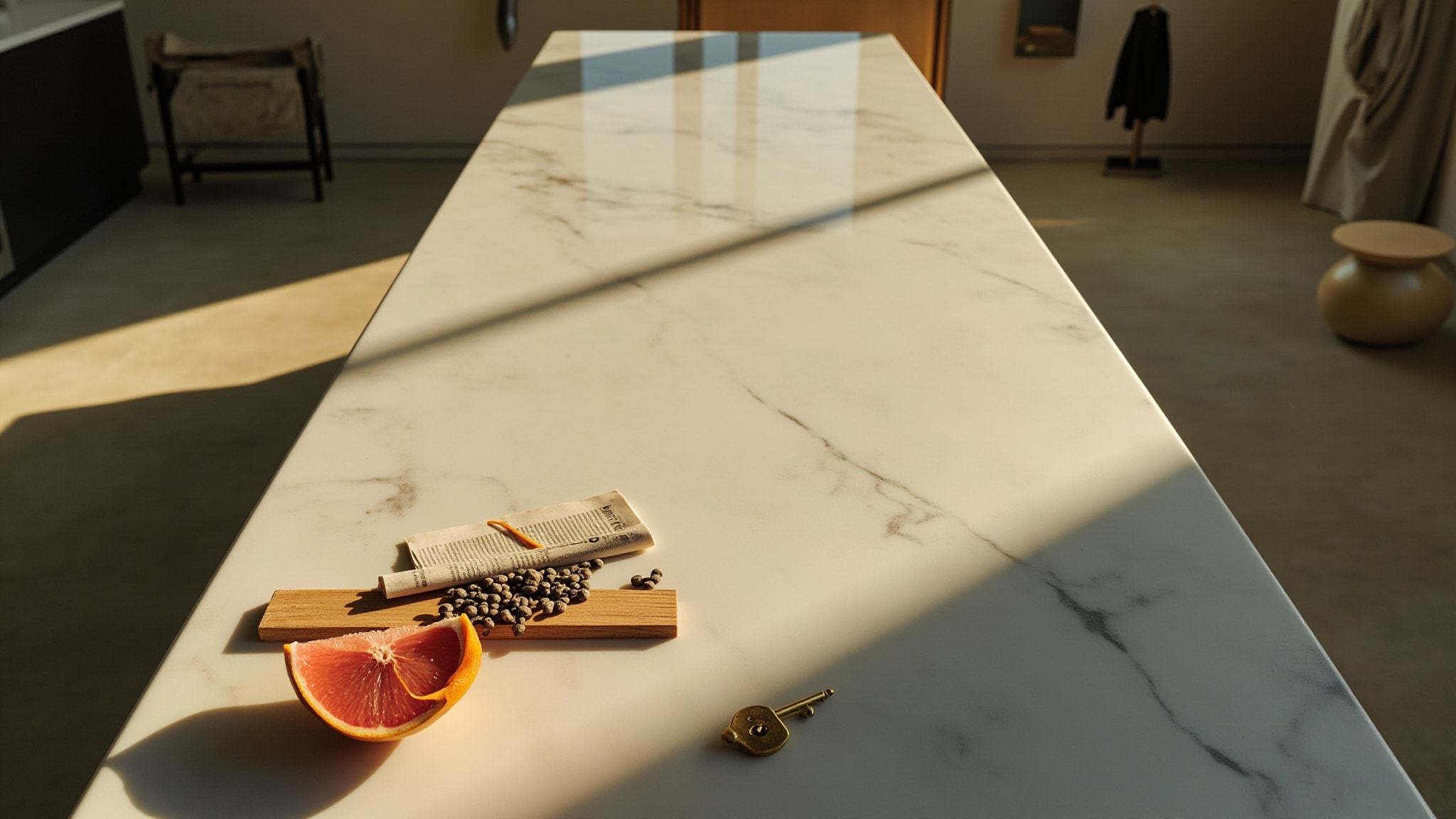
What makes Koldun structurally interesting is the conversation between the top and the base. Grapefruit and orange bring sharp, almost tart brightness, but they meet black pepper almost immediately, which pulls the citrus toward warmth before it can fully cool. Atlas cedar then takes over and does the real work, grounding the composition in something dry and resinous rather than sweet. The geranium and rose in the heart sit unusually low in the mix, more of a texture than a statement. This is a men's citrus aromatic that uses its florals as connective tissue, not as decoration.
The evolution
The first ten minutes are loud in a clean way. Grapefruit, orange, and black pepper arrive almost simultaneously, and the citrus hits bright and cold before the pepper warms it up. There is no soft landing here, this is a fragrance that opens like a window in autumn. By the thirty-minute mark the geranium and rose have threaded through, pulling the sharpness into something rounder, almost powdery at the edges. The cedar starts to show its grain. The drydown, somewhere past the two-hour mark, is where Koldun earns its name. Atlas cedar takes the lead with a dry, almost pencil-shaving warmth, the pepper settles into a low hum rather than a bite, and a faint trace of rose clings to the wood. As the hours pass, that woody-spicy character holds its shape and the cedar deepens into something that smells older than the bottle it came from, dry and resinous in a way that rewards patience.
Cultural impact
Koldun wears its meaning openly. The name translates from Russian as sorcerer or magician, and the composition leans into that idea with a grapefruit-pepper-cedar triad that reads almost like ingredients for a working. The Slavic mysticism angle is baked into the branding, and the bottle itself tends to get framed in that language by people who pick it up. It travels well in cooler weather, where the peppery opening and the dry cedar drydown feel right at home, and the overall profile of warm spice against cool citrus gives it a character that stands apart from softer or sweeter releases in the same temperature range.