The Story
Why it exists.
The beginning
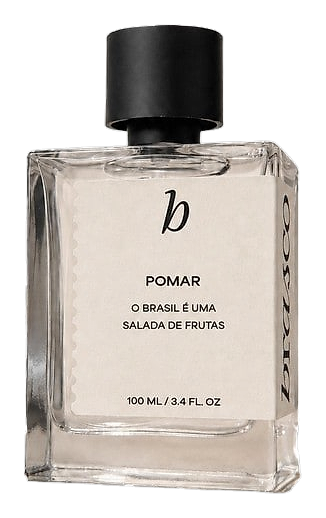
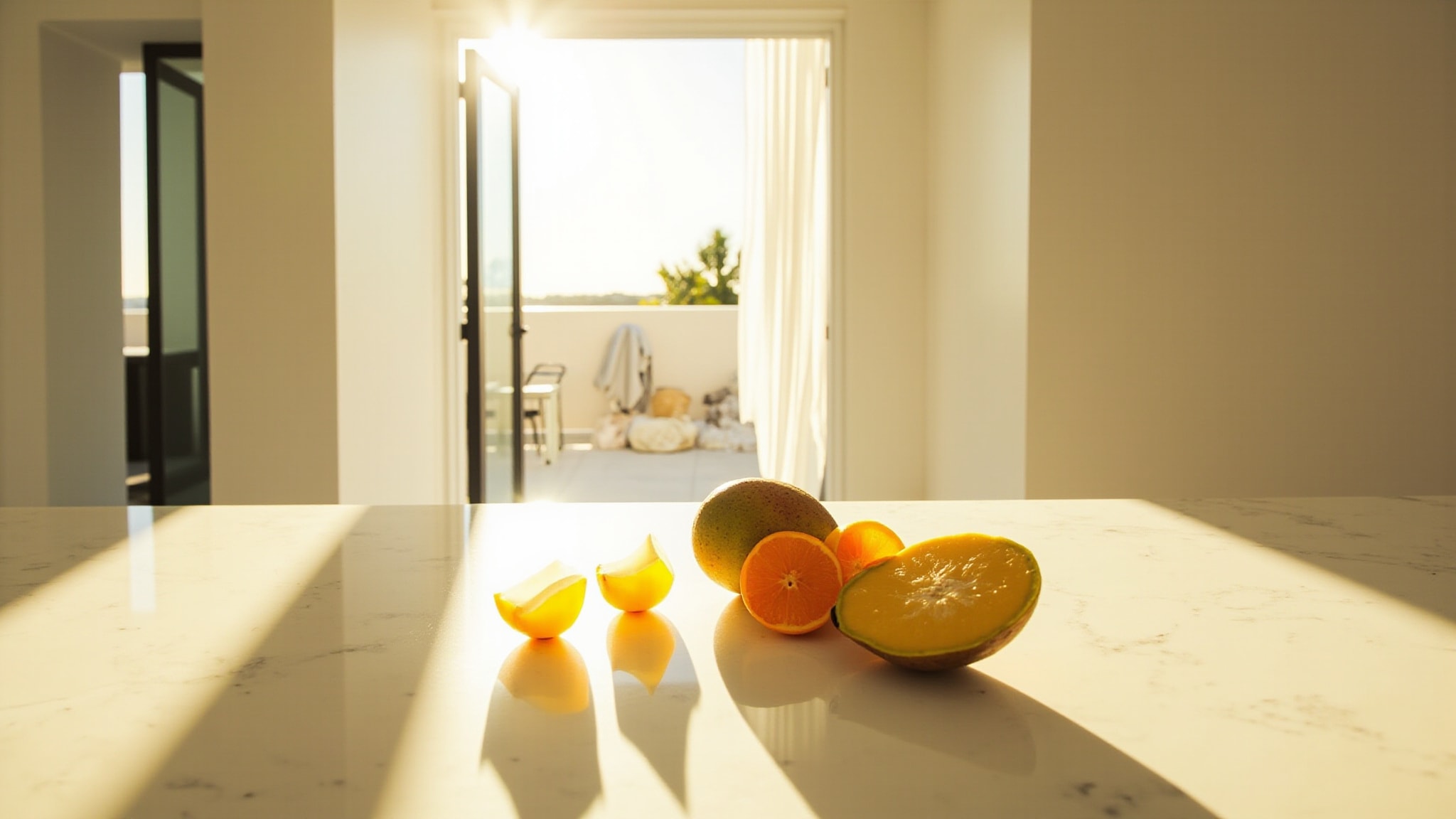
Pomar draws its inspiration from Brazil through the image of a tropical fruit salad, an expression of abundance rather than a single defining fruit. The idea is generous: many colors, flavors and aromas gathered on the same table. Orange, mango and pear combine with apricot and coconut, while floral notes and a warm base give the composition breadth and depth. The perfume was released in 2026 and presents a colorful, spontaneous and shareable take on fruit. Its sweetness is accompanied by freshness and texture, recalling ripe fruit served casually in generous portions. Amélie Purey is the fragrance’s perfumer.
The composition comes alive through the meeting of different kinds of fruit. Orange and pear sit beside mango and apricot, while coconut introduces a distinctly creamy dimension. Lily of the Valley, jasmine and rose add a floral layer to the fruit notes, giving the scent a richer character beyond sweetness alone. Amber, tonka bean and musk complete the arrangement with warmth and softness. Together, these notes create a fragrance that can feel fresh on first impression while retaining a gentle presence as the blend develops.
The evolution
Pomar opens with orange, bergamot, mango and pear, creating a lively and immediately recognizable fruit accord. As the composition settles, apricot, jasmine, rose, lily of the valley and coconut bring additional texture and depth. Coconut stands out as a note that changes the character of the middle, adding a creamy softness to the tropical profile. In the drydown, amber, tonka bean and musk give the fragrance a warmer and more skin-like finish. The progression moves from bright fruit to rounded florals and creamy notes before settling into a warm base, revealing the different facets of Pomar as it wears on the skin.
Cultural impact
Pomar is a fresh 2026 release built around a varied fruit concept, with orange, mango, pear and apricot joined by bergamot, coconut, floral notes, amber, tonka bean and musk. Its appeal lies in the contrast between vivid fruit and notes that add texture and warmth to the composition. The fragrance reflects the Brazilian fruit-salad image that inspired its name, presenting several familiar flavors as part of a larger, shared table rather than isolating a single fruit. Community response includes limited positive voting data and a review, offering early reactions to its fruity character and soft, layered presentation.
The House
BrascoBrasco is a Brazilian fragrance house shaped by friendship, mentorship and a shared sense of possibility. Founded by Gustavo Paiva and Allan Costa, the house introduces perfumery with warmth and curiosity, inviting exploration beyond familiar names.
The Creator
Amélie PureyPurey’s style is best described through her preference for fragrance as emotional expression. The available information does not provide a verified list of her signature ingredients or techniques, so specifics should be approached with care.