The Story
Why it exists.
The beginning
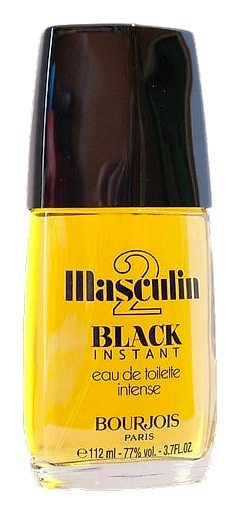
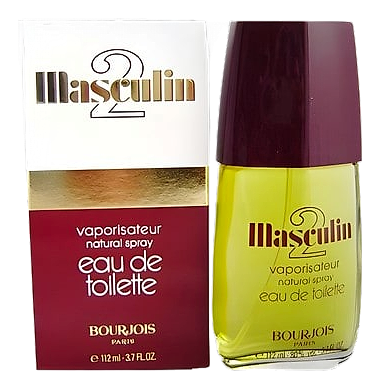
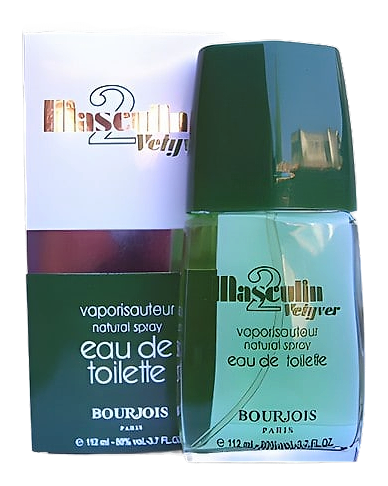
Masculin 2 Vetyver emerged in 1985 from a perfumer who already knew exactly what he wanted. François Demachy was building toward something, not yet the global name he would become, but already confident in his convictions. The brief was clear: a vetiver fragrance that didn't perform. No theatrical gestures, no synthetic amplification. Just the material, allowed to speak. In an era drowning in powerhouses and sillage wars, that restraint was its own statement. The Masculin line gave Demachy the canvas. Vetyver gave him the language. The result was a fragrance that arrived quietly and stayed that way, a green-woody composition for someone who didn't need a room to turn around when they entered it. By 2000, it was renamed Masculin Absolu. The scent didn't change. Just the name, to match how people had come to think of it.
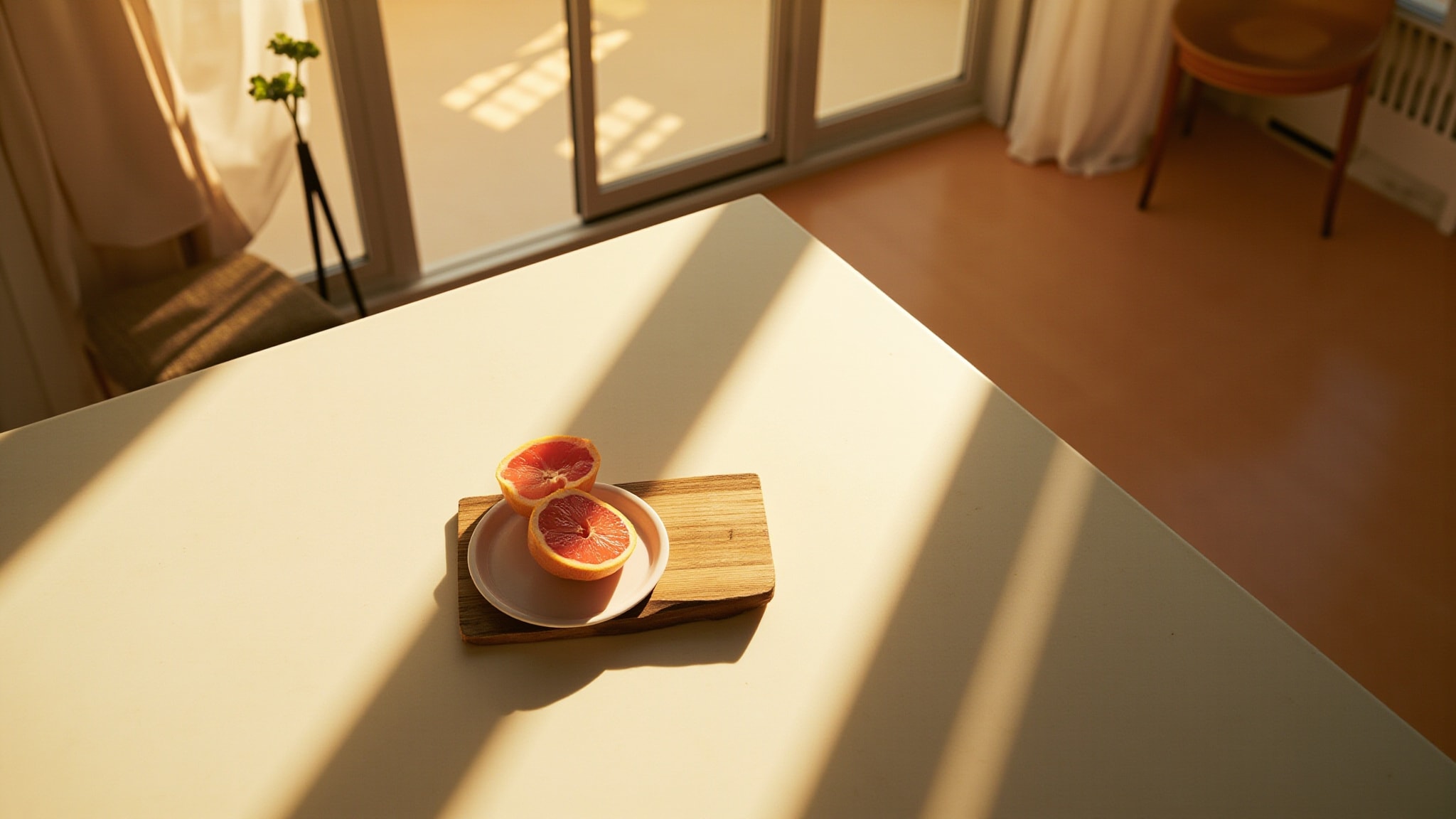
What makes this composition interesting isn't a single showstopping note, it's the structure. The top opens with citrus that bites, not sparkles. Bergamot and grapefruit arrive sharp, almost bitter, cutting through the morning with the kind of clarity that demands attention. Then the vetiver takes over. This isn't vetiver as supporting actor. It's the protagonist. Earthy, rooty, slightly smoky, the smell of the earth itself, pulling you away from any idea of luxury and toward something more honest. The geranium adds a green-floral quality that keeps the heart from becoming heavy. And the base, wood, musk, oakmoss, patchouli, gives it staying power without weight. The honey is the surprise.
The evolution
The opening hits fast, grapefruit and bergamot arriving with real intent, a citrus sharpness that doesn't fade politely. Thirty minutes in, the vetiver asserts itself as the true heart of this fragrance. Earthy, rooty, slightly smoky. It takes over without apology. The transition from citrus to vetiver feels like watching fog burn off morning hills, the brightness retreats, and what's underneath was always the point. The heart phase holds for a few hours: herbs and geranium adding a green-floral quality that keeps everything from going heavy. Then the base begins its slow reveal, woody notes, musk, patchouli, oakmoss. Not a dramatic shift. More like the composition settling into itself. The drydown takes its time. Vetiver persists longest, the earthy anchor that outlasts everything else. On fabric, it stays close, moderate projection, intimate rather than announced. Six to eight hours of presence. The next morning: soft woods, a whisper of musk, and oakmoss still holding on. Worth the trip.
Cultural impact
Masculin 2 Vetyver found its audience quietly. Those who gravitated toward it appreciated the green-woody character without demanding synthetic amplification or excessive sillage. A niche following formed around something that didn't need to announce itself. The fragrance worked for those who wanted vetiver without the performative aspect.
The House
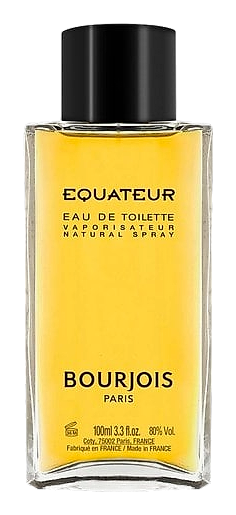
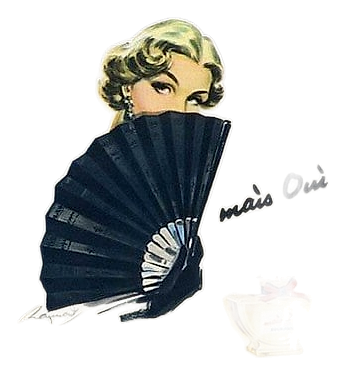
BourjoisBourjois began as a modest Parisian toiletry shop in the mid‑19th century and grew into a household name for colourful cosmetics and approachable fragrance. The brand blends French theatrical flair with everyday wearability, offering scents that feel both playful and rooted in tradition. Over more than a century, Bourjois has kept a focus on accessible luxury, delivering perfume that invites a wider audience to experience the craft of French perfumery without the pretence of exclusive pricing. Its catalogue includes iconic launches such as Mais Oui (1938) and the masculine line that started in the early 1970s, each reflecting a balance of heritage and contemporary taste.
The Creator
François DemachyDemachy's work bridges two traditions. He is a Grasse native with deep roots in natural raw materials, yet he embraces modern molecules without hesitation.