The Story
Why it exists.
The beginning
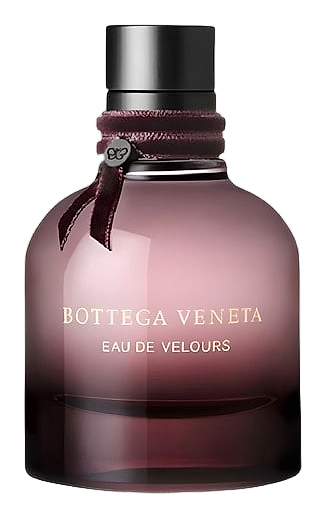
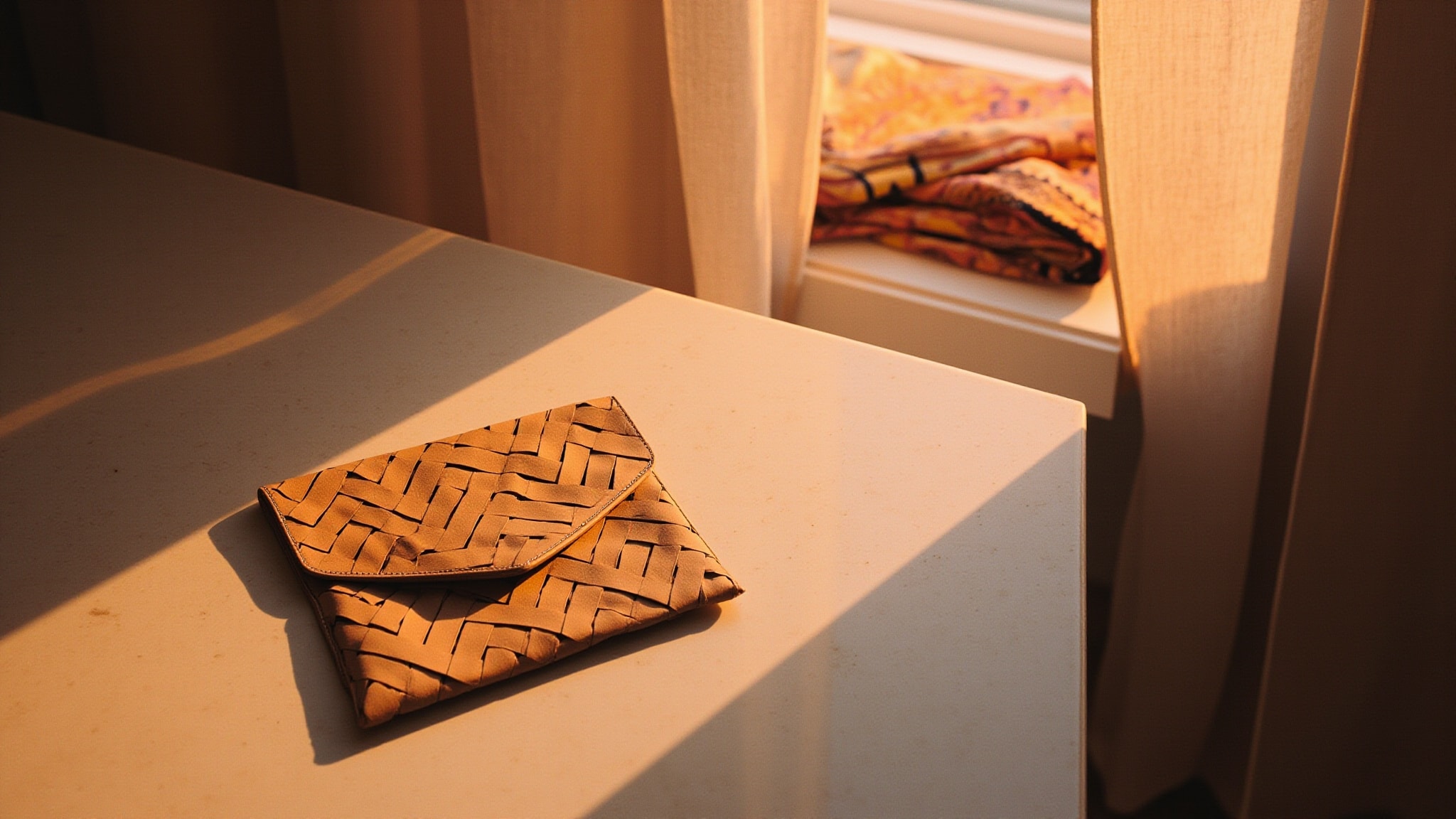
Eau de Velours, 'velvet water' in French, captures the Milan fashion house's approach to scent: luxury that doesn't announce itself. Created by Michel Almairac and Mylène Alran in 2017, it draws on the brand's leather heritage, translating the tactile experience of woven intrecciato into something that feels like fabric against skin. The name itself is the concept: softness with structure, the weight of velvet that doesn't cling. This is a fragrance built for the hour after the last toast, when the room has emptied and what's left is just presence.
What makes this composition unusual is the restraint around leather. Where most fragrances announce their leather loud and heavy, Eau de Velours treats it as texture, something that emerges from beneath the rose and plum rather than overwhelming them. The rose absolute here carries a vintage quality, something dusty and real rather than petals-and-perfume. Paired with plum's dark sweetness, it creates a heart that feels almost edible before the leather surfaces. Patchouli anchors the base with an earthy, grounded quality that keeps everything from floating into the abstract. This is a chypre structure rebuilt for modern sensibilities.
The evolution
Eau de Velours opens like a conversation: pink pepper sparks first, bergamot adds brightness, then both recede as the rose and plum take the floor. The transition happens around the twenty-minute mark, you think you're wearing a floral, then leather arrives from underneath, not announced but simply present. That's the interesting part. The leather doesn't dominate; it surfaces, adding a dry dusty quality that prevents the composition from becoming too sweet. By the final act, what's left is that leather-patchouli combination, close to the skin, lasting a full workday on most. The drydown is the tell: this is a fragrance that earns its reputation slowly.
Cultural impact
Eau de Velours occupies a specific corner of the market: women who appreciate craftsmanship but want fragrance that whispers rather than shouts. The leather-floral structure places it closer to vintage chypres than to contemporary fruity-florals, giving it a sophistication that appeals to those who find mainstream fragrances too sweet or too loud. It's been discontinued, which has only increased its cult appeal among those who discovered it before it disappeared.