The Story
Why it exists.
The beginning
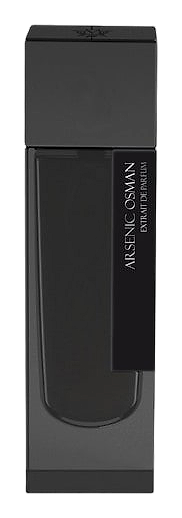
Laurent Mazzone built his house on the idea that fragrance should capture a feeling, not follow a trend. Arsenic Osman came from a specific obsession, the osmanthus flower and its contradictions. Sweet enough to seduce, animalic enough to unsettle. The name says it plainly: a beautiful poison. Jérôme Epinette composed the scent around this tension, letting the flower lead while supporting notes build the dependency.
The technical challenge was managing osmanthus's sweetness without tipping into cloying. Leather and patchouli in the base create the friction that keeps it from becoming overwhelming. The plum-cinnamon opening sets up the expectation of warmth, but osmanthus brings something stranger, fruity, animalic, almost fermented. That edge is what makes it addictive rather than merely pleasant.
The evolution
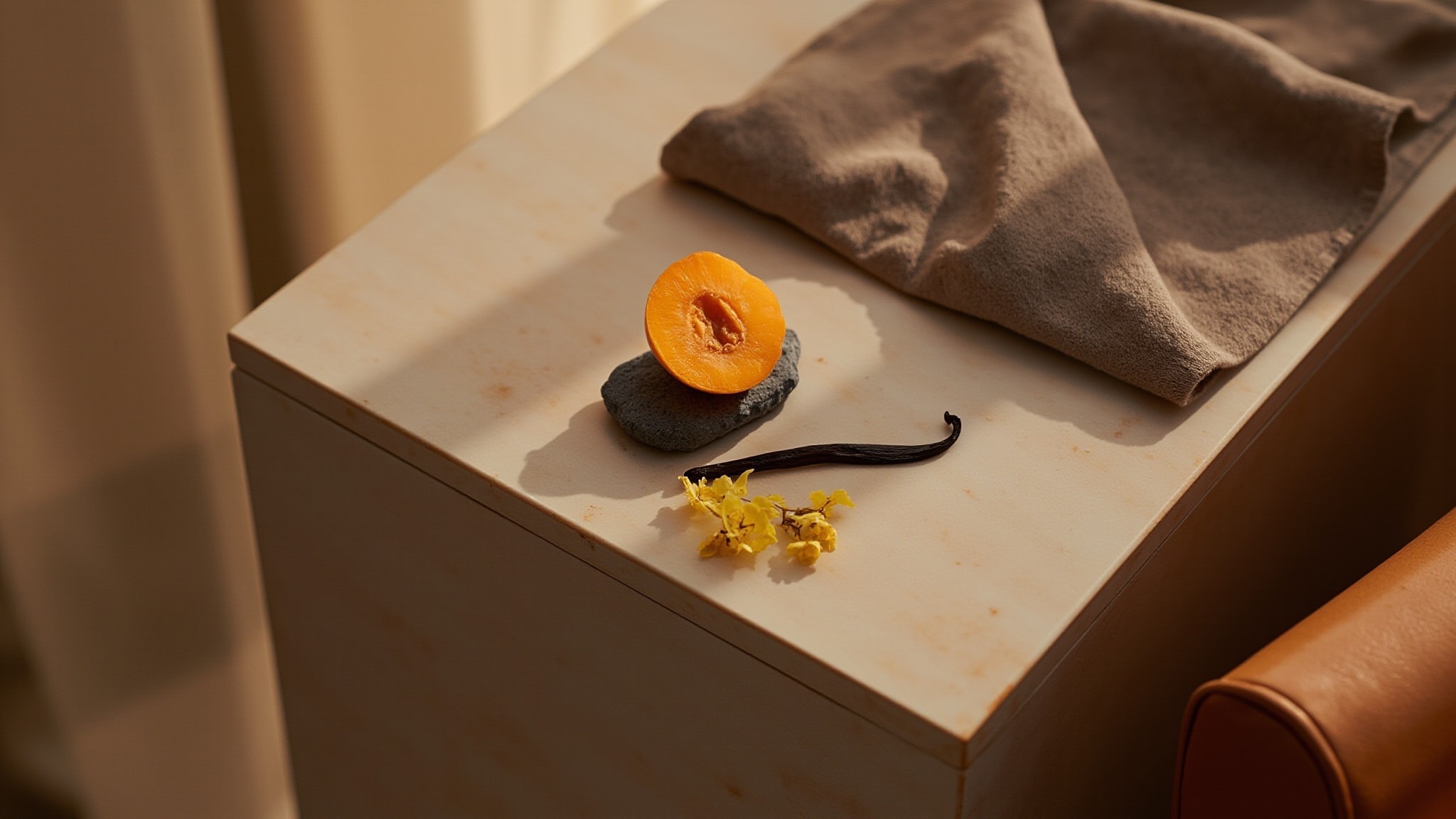
The opening announces plum's juiciness alongside warm cinnamon spice. The toddy comparison fits, something almost medicinal in the spice that reads as comfort rather than clinical. Within minutes, osmanthus takes over. Its apricot-peach sweetness blooms alongside jasmine and violet, which add a powdery softness that tempers the flower's intensity. Vanilla and leather wait underneath, ready to anchor what comes next. The drydown is where the structure reveals itself. Vanilla provides warmth and creaminess, but Indonesian patchouli and leather take over, earthy, grounding, turning the fragrance from sweet-floral into something intimate and close to the skin. The osmanthus doesn't disappear. It deepens, settling into the composition like a secret.
Cultural impact
Arsenic Osman arrived at a time when niche perfumery was embracing narrative-driven compositions, and Laurent Mazzone Parfums had already established itself as a house that treats fragrance as storytelling. The name itself is a provocation, a nod to the poison that whispers danger beneath sweetness, mirroring the scent's own duality of apricot-floral innocence and darker, animalic warmth. Within the broader fragrance landscape of 2017, this kind of concept-driven approach was gaining traction as consumers grew more sophisticated, seeking perfumes that told stories rather than simply smelling pleasant.
The House
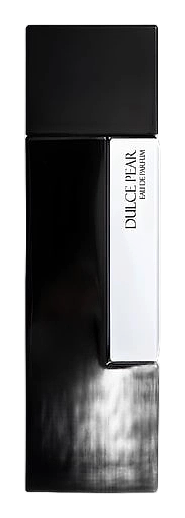
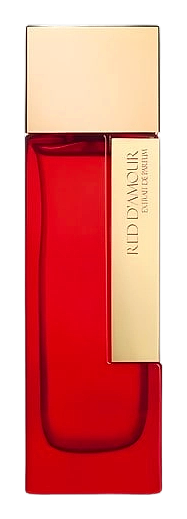
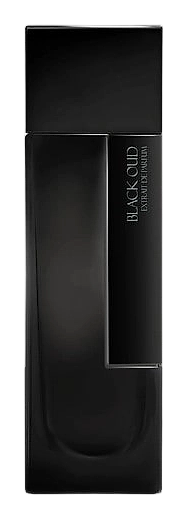
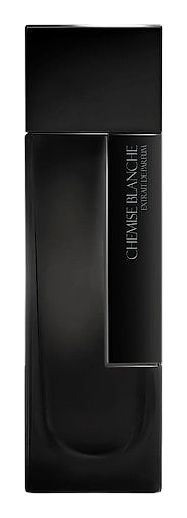
Laurent Mazzone ParfumsLaurent Mazzone Parfums is a French fragrance house that emerged from the Paris perfume scene in 2010. Founded by Laurent Mazzone, an Italian-French perfumer who developed an interest in scent at age 12, the house presents itself as an artisanal alternative to larger luxury brands. The collection includes signature oud compositions like Black Oud (2012) alongside more recent work such as Lavande Noire (2023) and Pistache (2025). Mazzone approaches fragrance creation as personal storytelling, building scents around specific emotional moments rather than following seasonal trends. The house operates with a small, focused catalog and distributes primarily through specialty retailers and its own channels.
The Creator
Jérôme EpinetteEpinette's style can be described as modern and sophisticated, with a focus on natural ingredients and clean lines. He has a knack for creating fragrances that are both wearable and interesting, often incorporating unexpected elements to add depth and complexity.