The Story
Why it exists.
The beginning
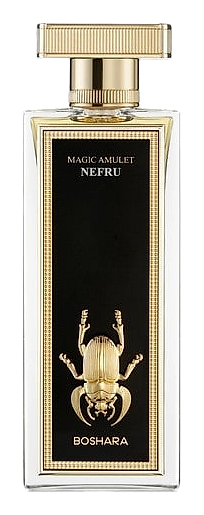
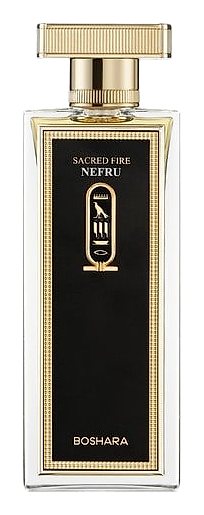
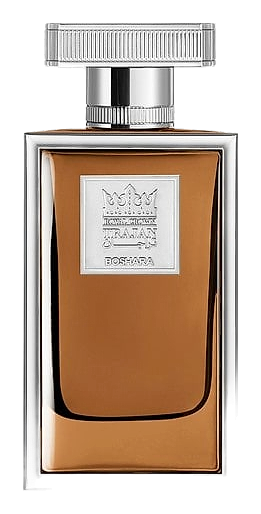
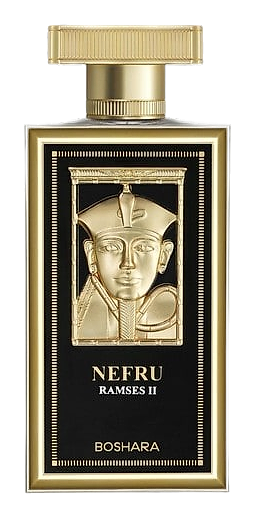
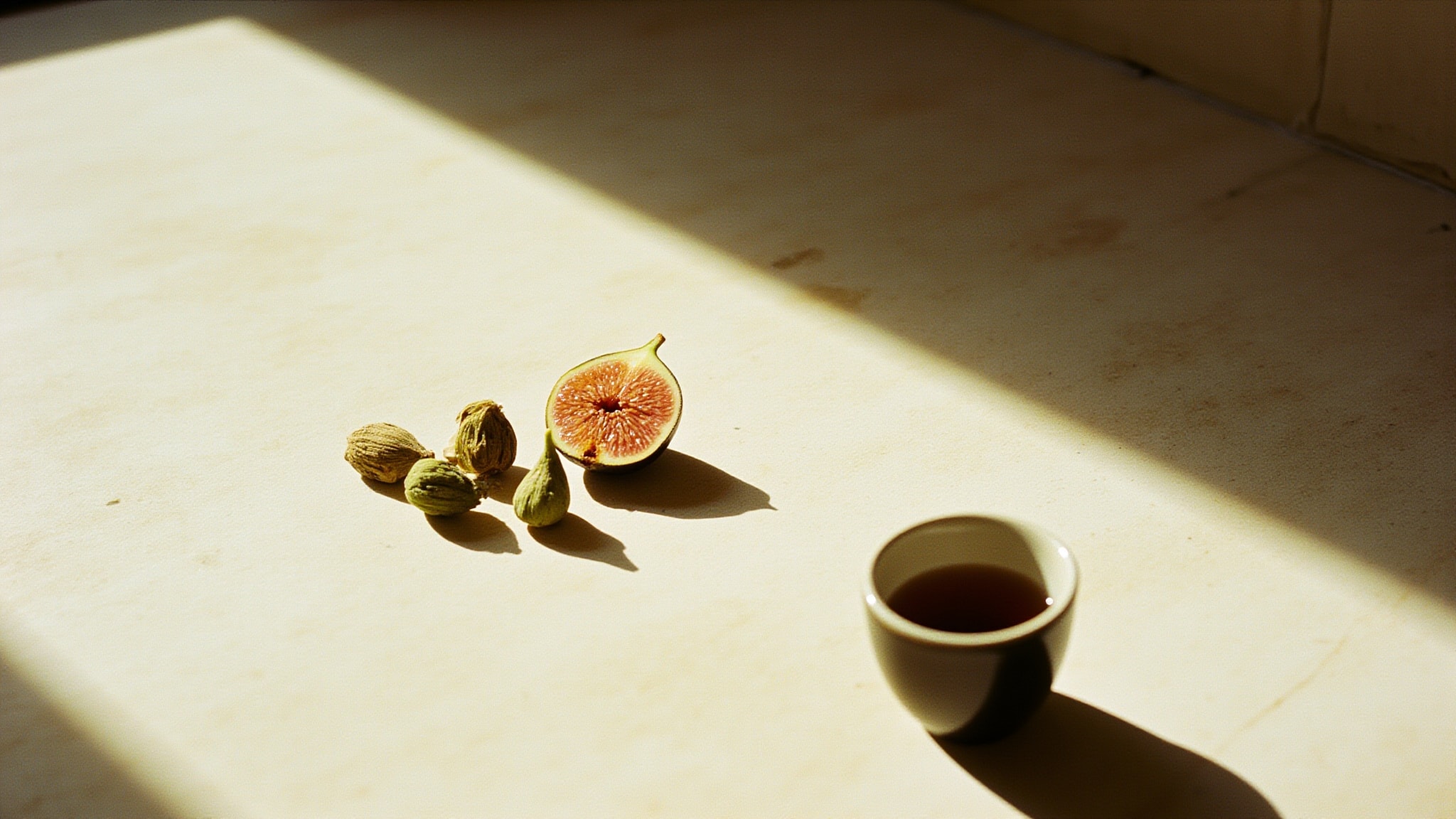
Ramses II is named for the pharaoh, and from the first spray the reference lands: this isn't costume-pageantry. It's the pharaoh as archetype, the ruler whose gravity preceded him into a room. The composition honors that gravitas without resorting to pyrotechnics. Boshara positions this release as an expression of presence, suited to the wearer who wants that weight carried quietly rather than performed. The Nefru collection gathers this kind of statement piece together, and Ramses II holds its own among them. Cardamom and black tea open like a handshake that already knows the outcome. The fig softens the edges, pulling the brightness into something rounder and more generous.
What makes Ramses II worth a second look is the contrast baked into the structure. Cardamom, a bright and assertive spice, shares the opening with fig, a note that here does something unexpected with the fruit register. Rather than reading purely as sweetness or as a hushed background, the fig acts as a tender: rounding the spice without dulling it, adding a green-cream sweetness that keeps the air from getting sharp. Black tea enters almost imperceptibly, lending a tannic dryness that pushes the whole opening into something more savory than sweet.
The evolution
The opening belongs to cardamom and fig, a duet that reads half-spice, half-ripe fruit, with black tea threading underneath like the tannin in a good brew. The sweetness is there from the start, but it's bound, not loose; the fig contributes a creamy greenness that keeps the cardamom from feeling sharp, while the black tea pulls the whole composition toward something drier and more savory than you'd expect from such a fruit-forward opening. As the early stage softens, the iris arrives, and the composition shifts register: softer, dustier, cooler at the edges. The vetiver grounds it without soiliness, more like cool ash than turned earth, and the iris lays a powdery veil across everything that came before. From the heart onward, the base takes over and the profile darkens into something warmer and denser.
Cultural impact
Ramses II takes its name from one of the most recognizable pharaohs in popular memory, and the choice is deliberate. Pharaonic references in contemporary perfumery tend to land in one of two registers: literal (resins, tomb dust, incense smoke) or figurative (gravitas, architecture, endurance). This composition plants itself in the second register, leaning on cardamom, fig, and black tea to evoke spice-route opulence rather than funerary imagery. The result is a pharaonic reference that reads through atmosphere and presence rather than through costume.