
The Story
Why it exists.
The beginning
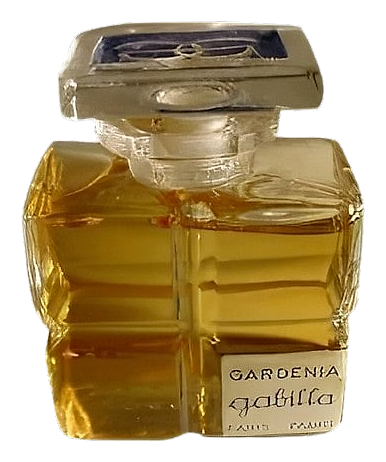
Gardenia by Gabilla emerged from a small Parisian house whose catalog includes other well-known fragrances. The composition is built around a single botanical subject, the gardenia flower, treated with a clarity that defines the rest of the house's output. Sources disagree on the exact year of release: Parfumo dates Gardenia to 1929, while Fragrantica places it in 1934. Either way, the fragrance arrived at a moment when perfumery was exploring bold new directions in synthetic materials, which made the choice to center one creamy white bloom a quietly pointed one. The gardenia note itself carries a dense, almost edible warmth, with a creamy texture that sits close to the skin rather than projecting outward.
Gardenia is among perfumery's more demanding flowers to work with. The absolute carries indolic, creamy, and slightly rubbery facets that can tip a composition into unpleasant territory without careful handling. Most perfumers who attempt the note build around it, softening edges, adding counterbalances, masking the rougher qualities with greener or fruitier companions. Gardenia takes a different path.
The evolution
Gardenia opens with a cool, dewy green that reads like the stem and leaves of the flower before the bloom fully arrives. The first impression is vegetal, almost crisp, with a wet quality that suggests crushed foliage rather than petals. Then the gardenia takes over. The composition floods with a creamy, buttery warmth that feels denser than the opening promised, a shift from cool green to rich white floral that happens quickly and decisively. The lactonic quality builds, giving the impression of warm milk or coconut flesh without ever tipping into sweetness. For a long middle stretch the composition holds this dense, almost edible phase with very little movement, the bloom sitting at full volume while the green notes recede into the background. As the hours pass, the animalic thread becomes more noticeable, lending a subtle warmth that reads as skin rather than perfume.
Cultural impact
Gardenia occupies a particular place in the soliflore tradition, the category of perfume built around a single flower presented without elaborate costume. The composition assumes a working familiarity with what gardenia actually smells like: the creamy density, the green stem-note, the faint animalic warmth underneath, the way the bloom reads on skin rather than in the air. There's no introductory sweetness to ease the wearer in, no fruity top to bridge the gap between the bottle and the flower itself. Gardenia simply is what it says it is, and it trusts the wearer to recognize that.
The House
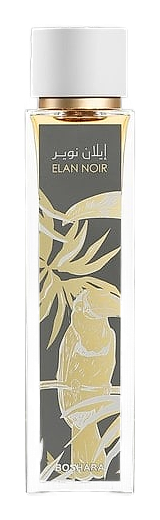
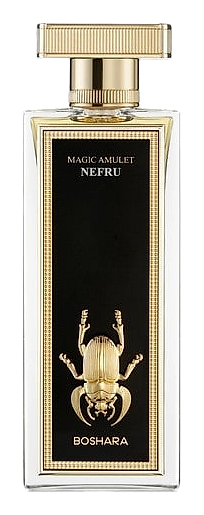
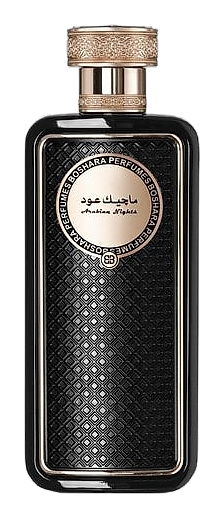
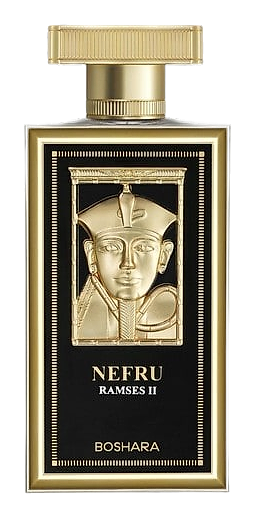
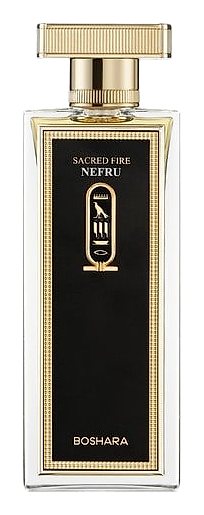
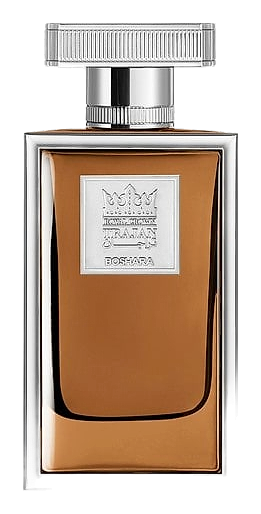
BosharaBoshara is an Egyptian fragrance house that channels the region's ancient perfumery traditions into modern, globally ambitious creations. Founded in 1991, the brand has grown from a sales and marketing operation into a respected name in premium perfume. With an expanding international presence, including showcases at Beautyworld Dubai, Boshara brings Egyptian elegance to a worldwide audience.
The Creator
Henriette GabillaGabilla favored layered constructions that unfolded over time. She began with a clear, luminous top, often built from citrus or green notes, then introduced a heart of rose, jasmine, or oud that lingered like a whispered secret.