
The Story
Why it exists.
The beginning
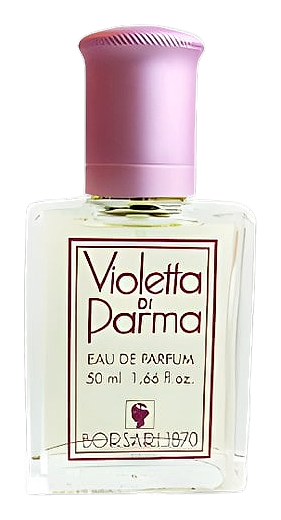
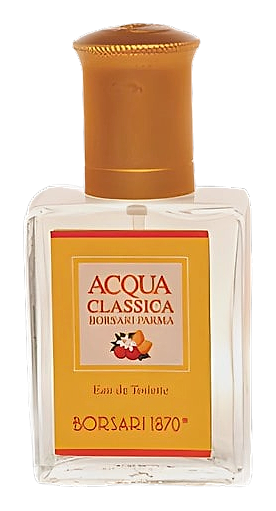
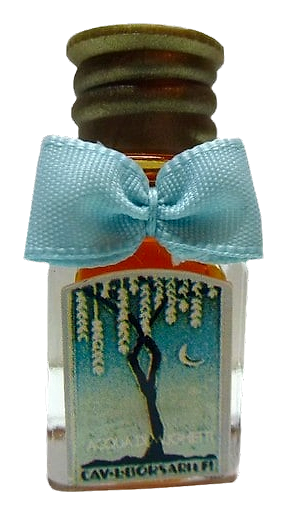
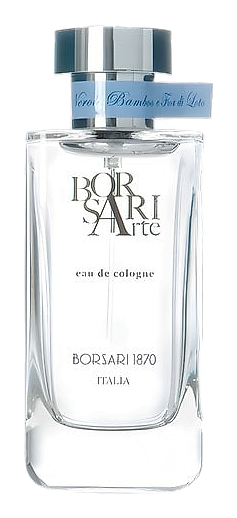
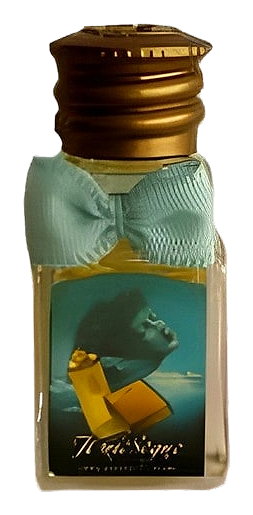
Zaarat El Sudan arrived in 1940 from Borsari 1870, an Italian house with roots in Parma. The name carries an exotic cadence that suits a composition positioned firmly in the oriental floral category, and it's the kind of label that suggests a perfumer reaching beyond Europe for poetic material. There is no listed perfumer in the documentation, which leaves the creative hand unidentified but adds a layer of mystery to an already obscure release. The fragrance itself was never widely distributed and appears to have been discontinued, which makes original bottles something of a curio for collectors rather than a staple on counters. What survives is the appeal of a fragrance that exists primarily through its vintage bottles and the few who remember encountering it.
What makes this composition interesting is its restraint within excess. Zaarat El Sudan keeps the architecture described in its accord profile, warm spicy, musky, floral, amber, but builds it on a tighter, more wearable frame than some of its heavier oriental contemporaries. The oriental and floral notes listed suggest a classical accord: a floral heart cushioned by resinous warmth, a composition that would have felt at home on a European vanity while still nodding to the broader category it inhabits. The listed accords do most of the structural work here.
The evolution
The opening arrives soft and spiced, not sharp. Within the first 30 minutes the warmer tones start pulling forward, a slow bloom rather than a detonation, and the fragrance settles into its accord structure with a kind of measured confidence. By the second hour the floral middle has settled into something cushioned, petals translated through resin rather than worn raw, and the musky amber base begins asserting itself beneath the floral layer. The drydown is where the fragrance earns its patience: amber and musk close around the skin in a slow compression of warmth that feels less like a fade and more like a settling. The spiced tones that opened the composition don't disappear so much as fold inward, absorbed into the resinous amber that carries the fragrance into its final phase.
Cultural impact
Zaarat El Sudan sits in an unusual corner: a 1940 Italian oriental floral that never found a wide audience. The documentation around the fragrance remains thin, no listed reviews behind a primary critical reception and no documented ratings to anchor community consensus. Original bottles surface occasionally in vintage collections, surfacing through estate lots and older dealer inventories rather than through any active market presence. Its visibility today is limited primarily to archival catalog entries and the occasional collector mention.