
The Story
Why it exists.
The beginning
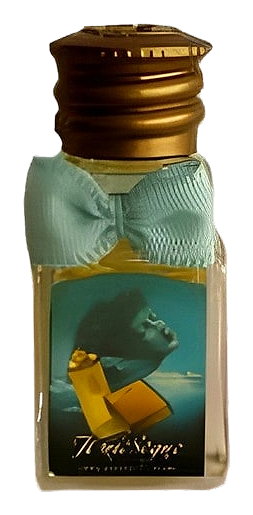
Ury arrived in 1923 from Borsari, a name registered in historical catalogs of Italian fragrance. Among its compositions, Ury belongs to an early catalog of releases that leaned on a single dominant floral reading rather than the multi-layered constructions that came later. Ury reads as a one-flower statement, a composition meant to be recognized at a glance rather than studied. The floral at its center arrives without accompaniment, without competing citrus or a weighty base, presenting itself with the kind of clarity that asks for attention but doesn't demand it.
Ury reflects an older floral logic, the kind of composition that wanted to be one thing rather than many. A single dominant flower carries the structure, without the busy base-note architecture that more recent compositions tend to build. That restraint is the point. The composition holds a steady floral line from opening through the heart, asking the wearer to engage with a singular botanical idea rather than a parade of notes.
The evolution
Ury opens soft, almost tentative, like air moving through a quiet room. The floral character arrives quickly, neither shy nor assertive, settling into skin with a familiar ease. No sharp citrus lift competes for attention. No heavy base threatens to take over. As the hours pass, the composition holds its shape with quiet discipline. The florals don't darken into resin or amber. They stay where they are, a consistent presence that softens rather than sharpens. By the late hours, what's left is a skin-close trace of the original florals, faded but legible. The drydown carries the same floral reading it started with, only quieter.
Cultural impact
Ury by Borsari carries the quiet weight of a 1923 Italian composition, the kind of release that valued singular floral clarity over complex pyramids. Housed within the Borsari catalog, with its registered 1870 date, Ury represents a type of intimate, single-flower scent characteristic of its era. Its appeal lies in restraint, presenting florals as a central voice rather than as part of an elaborate structure. For those interested in historical Italian fragrance catalogs and their early 20th century compositions, Ury stands as an example of the direct, one-flower approach that defined that period of European perfumery.