The Story
Why it exists.
The beginning
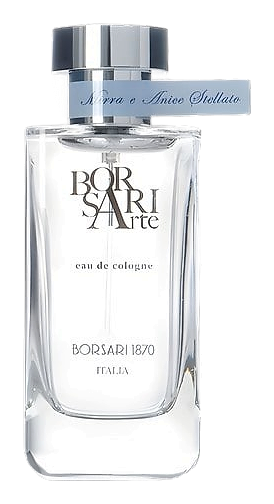
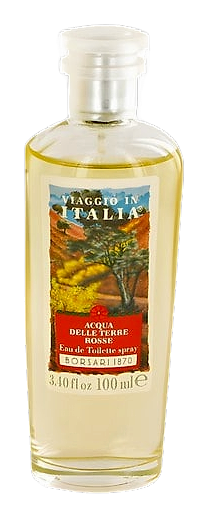
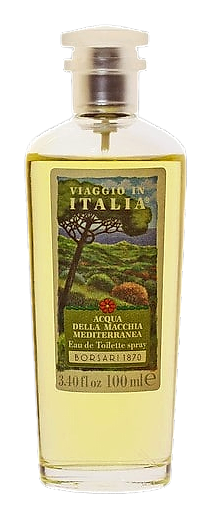
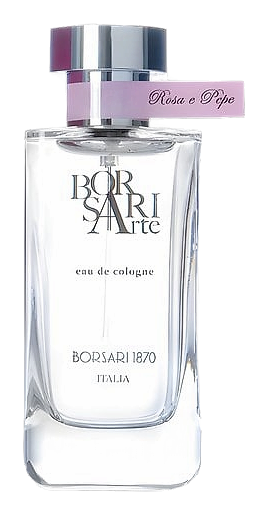
Terrenia arrived in 1930 from Borsari, a house that understood composition as architecture rather than ornament. The early decades of the modern perfume industry produced a wave of amber florals built on resinous warmth and indistinct floral softness. Borsari worked in that lineage, and the best of their output didn't shout. It breathed. The name evokes terra, earth, terrain. What the bottle delivers is something more like the warmth radiating from sun-soaked stone after sunset. A classical olfactory architecture where the amber does the heavy lifting and the florals exist as atmosphere rather than statement. The florals never announce themselves by name. They hover, suggested, never identified. The amber underneath holds the whole structure in place, giving it weight without weightiness.
What makes Terrenia worth knowing about is its restraint. This one holds back. The floral accord stays opaque rather than transparent, suggesting a bouquet rather than naming individual blooms. The animalic accord that runs through the composition gives the amber a quality that feels lived-in, something organic beneath the powder and the warmth. It's a composition that rewards patience. The first hour feels subdued, almost closed off, the florals tucked beneath a blanket of resin.
The evolution
The opening is surprisingly quiet, a soft lift of floral brightness that resolves into something denser once the composition has had a moment to settle. The amber takes hold, warm and resinous, pulling the florals into its orbit. The heart phase is where Terrenia lives. The floral layer sits close to the skin, indistinct and warm, while the amber underneath hums steadily. There's a faint powdery quality here that dusts everything without settling into full cosmetic territory, the kind of softness that reads as fabric rather than foundation. As the wear continues, the composition tightens. The animalic note, listed as a main accord, begins to surface, a low warmth that reads more like skin than like musk. The florals have faded almost entirely. What's left is amber plus that slow, human warmth, a drydown that feels closer to the body than the opening ever did.
Cultural impact
Terrenia is a 1930 composition that still wears well because it was built on restraint rather than spectacle. It belongs to that older school of perfumery where the brief was elegance under pressure, where the goal was to suggest rather than to declare, and where the florals were meant to be felt as atmosphere rather than identified by name. The amber does the anchoring, the powder softens the edges, and the animalic accord adds a layer of human warmth that keeps the whole thing from floating away into abstraction. The fragrance rewards attention. It doesn't perform, doesn't project aggressively, doesn't try to fill a room.